

Danube 'dries up' energy in the region: Hungary cuts nuclear production, Romania's prime minister asks citizens to save energy
Translated from Romanian, summarized and contextualized by DistantNews.
At a glance
News
From a news agency
Ongoing story
- Low water levels in the Danube River are impacting nuclear power production in Central and Eastern Europe.
- Hungary has reduced output at its Paks nuclear plant, with a full shutdown imminent due to insufficient cooling water.
- Romania is also facing challenges, with one reactor at Cernavodă offline and another operating at reduced capacity, prompting calls for energy conservation.
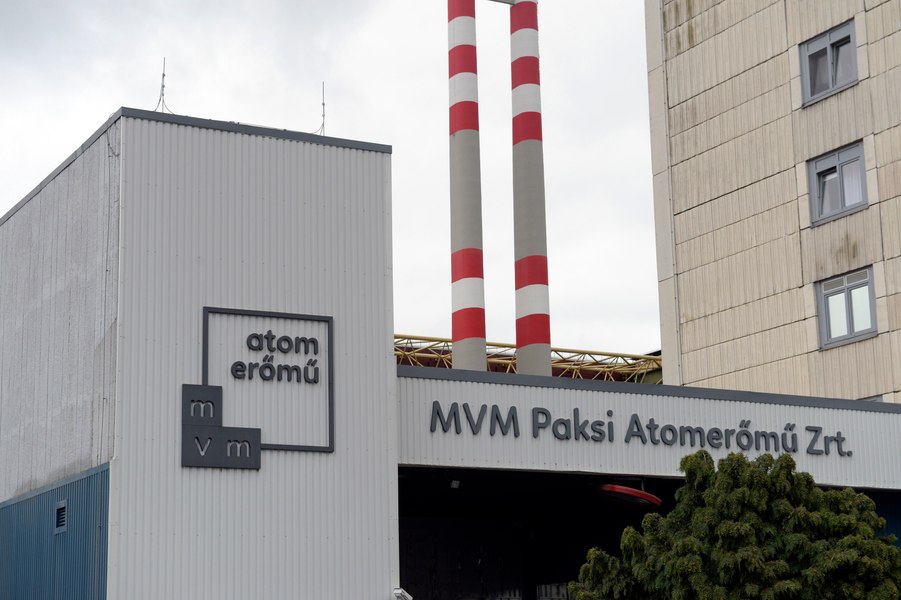
Record low water levels in the Danube River are severely affecting nuclear power generation across Central and Eastern Europe, forcing significant production cuts and raising concerns about energy security. Following Romania's lead, Hungary has been compelled to reduce output at its Paks nuclear power plant, with authorities warning of a potential complete shutdown in the coming days.
The Paks plant, which supplies nearly half of Hungary's electricity needs, began reducing its output on Monday and is now operating at less than 50% capacity. Hungarian Prime Minister Peter Magyar stated that a complete shutdown of the plant is an "imminent scenario," potentially occurring within the next 24 to 72 hours. The plant's four Russian-designed reactors have a total capacity of 2 gigawatts, making it a cornerstone of Hungary's energy system.
In anticipation of a shutdown, Hungarian officials are preparing contingency plans, including potential temporary consumption limits for large industrial energy and water users. Hungary has an import capacity of 3,600-3,800 MW, which they believe is sufficient to cover domestic demand.
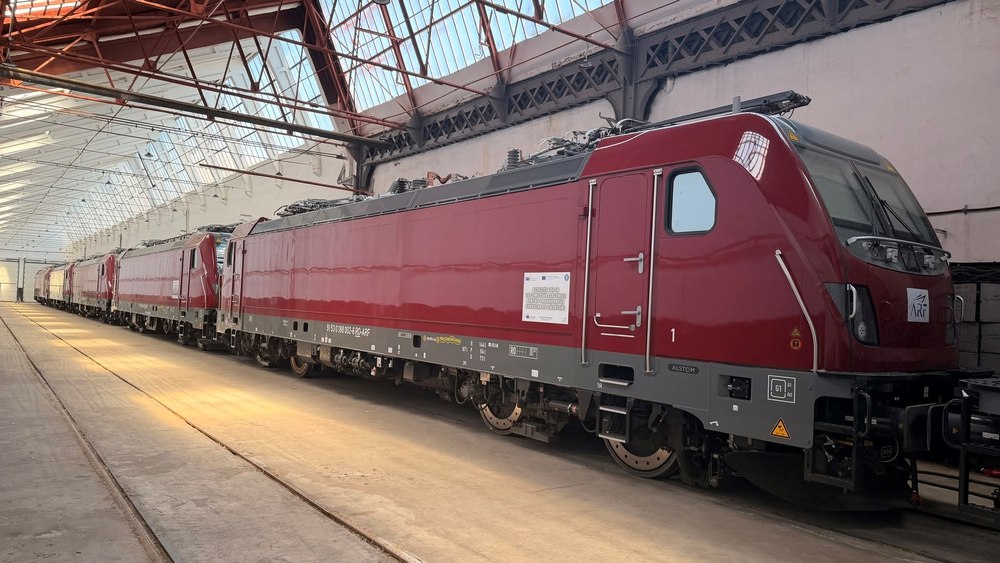
Romania is experiencing similar difficulties. Nuclearelectrica announced that Reactor 2 at the Cernavodă plant remains connected to the national grid for now, despite earlier plans for its shutdown. Reactor 1 was disconnected earlier this week. Both reactors at Cernavodă, with a combined capacity of 1.4 gigawatts, provide about one-fifth of Romania's electricity. Prime Minister Ilie Bolojan urged citizens to voluntarily reduce energy consumption during peak hours, estimating that restrictions could last one to two weeks.
Climate change is exacerbating these issues, with similar situations reported in France where low river levels have forced nuclear reactor production cuts due to insufficient cooling water. Specialists warn that such occurrences risk becoming seasonal phenomena due to intensifying heatwaves and drought periods linked to climate change. The low Danube levels are also disrupting river transport.
Se pare că, în starea actuală a lucrurilor, oprirea completă a centralei Paks ar putea avea loc chiar astăzi, dar probabil mai degrabă mâine.
DistantNews Editorial
Originally published by Adevărul in Romanian. Translated, summarized, and contextualized by our editorial team with added local perspective. Read our editorial standards.
More Stories


From Our Blog

What Gets Lost (and Found) When News Is Translated

The Critical Role of Diaspora Media in Global News

What Travellers Should Know About Countries with Restricted Press

A Digital Nomad's Guide to Following Local News

How the Same Story Looks Different in Different Countries
