


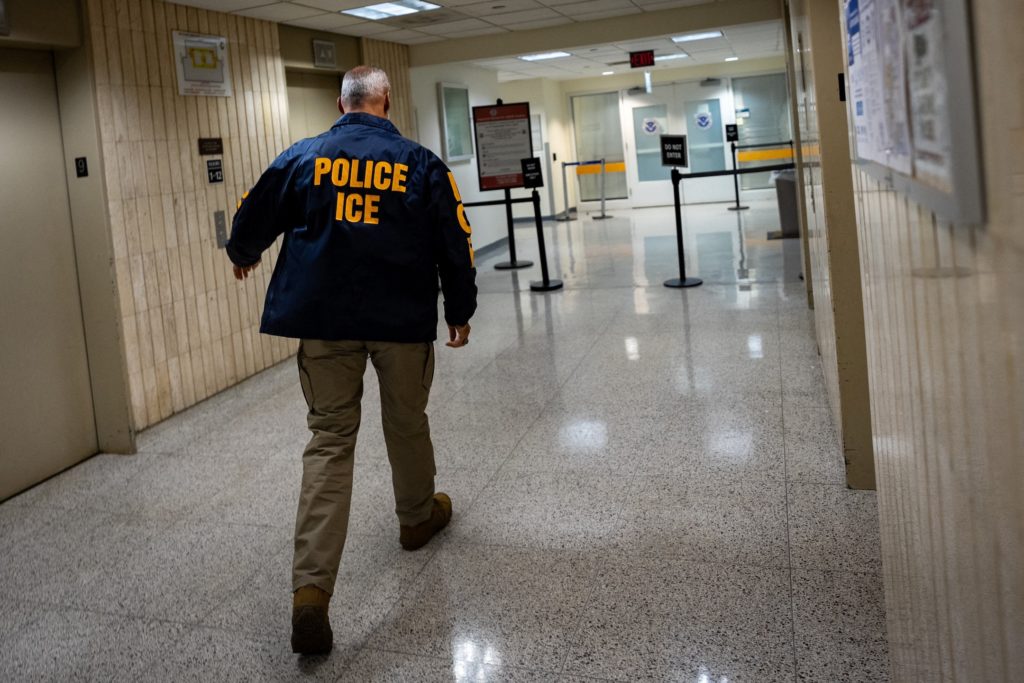
Deadly shootings by ICE officers renew scrutiny of recruitment and training
Summarized and contextualized by DistantNews.
At a glance
News
Named sources
Context piece
- Two recent fatal shootings involving U.S. Immigration and Customs Enforcement (ICE) officers have prompted renewed scrutiny of the agency's recruitment and training practices.
- In both incidents, officers were not wearing body cameras, and the individuals killed were not the intended targets of the operations.
- The events have reignited protests and raised questions about ICE's operational tactics and agent preparedness.
Two recent fatal shootings involving U.S. Immigration and Customs Enforcement (ICE) officers have reignited protests and intensified scrutiny of the agency's recruitment and training protocols. In both incidents, the officers involved were not equipped with body cameras, and critically, neither of the victims was the intended target of the operation.
These events have brought to the forefront significant concerns regarding the tactics employed by ICE, the adequacy of its training programs, and its recruitment strategies. The lack of body camera footage in these critical encounters raises questions about accountability and transparency in high-stakes situations. Furthermore, the fact that the individuals killed were not the intended targets suggests potential issues with operational planning or execution.
Two deadly shootings involving ICE officers reignited protests and renewed questions about tactics, training and recruitment at the agency.
Amna Nawaz of PBS NewsHour discussed these pressing issues with John Sandweg, who previously served as the acting director of ICE during the Obama administration. His insights are crucial for understanding the complexities and challenges faced by the agency, particularly in light of these recent tragedies. The renewed focus on these incidents underscores a broader debate about the use of force and the preparedness of law enforcement agencies operating in sensitive environments.
None of the agents involved were wearing body cameras, and neither of the victims was the intended target of the operation.
DistantNews Editorial
Originally published by PBS NewsHour. Summarized and contextualized by our editorial team with added local perspective. Read our editorial standards.
More Stories



From Our Blog

How the Same Story Looks Different in Different Countries

What Gets Lost (and Found) When News Is Translated

The Critical Role of Diaspora Media in Global News

What Travellers Should Know About Countries with Restricted Press

A Digital Nomad's Guide to Following Local News
