


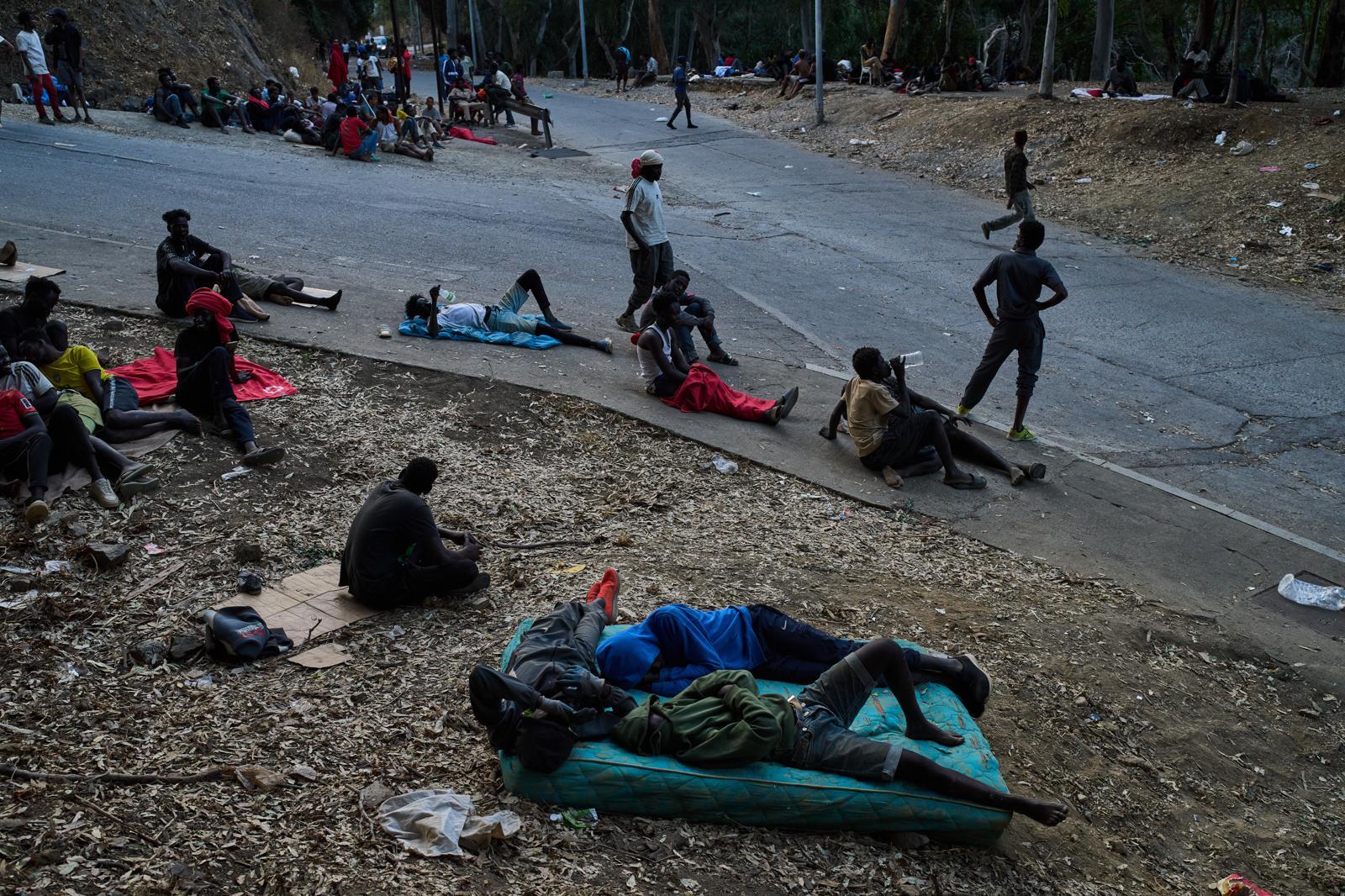
Death toll in Ceuta migrant crisis varies wildly among Spain, Morocco, and rights groups
Translated from Korean, summarized and contextualized by DistantNews.
At a glance
News
Sources not specified
Context piece
- Discrepancies exist in the death toll from the recent migrant influx to Ceuta, a Spanish enclave bordering Morocco.
- Spanish authorities reported 72 cumulative deaths, while Morocco stated 11 fatalities.
- A Moroccan human rights group estimates nearly 130 deaths, fueling a dispute between Spain and Morocco over responsibility.
Conflicting figures have emerged regarding the number of deaths during the recent surge of migrants attempting to enter Spain's North African enclave of Ceuta from Morocco. Spanish authorities reported a cumulative death toll of 72 as of Tuesday, with preparations made for up to 200 bodies, anticipating further casualties.
Spanish authorities said that as of Tuesday, the cumulative death toll was 72.
In contrast, Morocco's government announced that only 11 people died while trying to cross into Ceuta. However, the Moroccan Association for Human Rights (AMDH), a local civil society group, estimates the number of fatalities to be closer to 130, with dozens more reported missing.
Moroccan government announced that the number of people who died while attempting to enter Ceuta was 11.
The differing tallies have intensified a dispute between Spain and Morocco over responsibility for the crisis. Morocco's Interior Ministry partially blamed Spain, citing a Spanish Supreme Court decision from May 8th that prevented the immediate repatriation of irregular migrants who arrived by sea. This decision, they argue, was a major factor leading to the current situation.
The Moroccan Human Rights Association (AMDH) estimates that the number of deaths is nearly 130, with dozens more missing.
The incident highlights the ongoing challenges and humanitarian concerns surrounding migration routes into Europe.
The Spanish Supreme Court's decision on May 8th, which stated that irregular migrants who arrived by sea should not be immediately repatriated to their home countries, was a major cause of this incident.
DistantNews Editorial
Originally published by Dong-A Ilbo in Korean. Translated, summarized, and contextualized by our editorial team with added local perspective. Read our editorial standards.
More Stories



From Our Blog

What Gets Lost (and Found) When News Is Translated

The Critical Role of Diaspora Media in Global News

What Travellers Should Know About Countries with Restricted Press

A Digital Nomad's Guide to Following Local News

How the Same Story Looks Different in Different Countries
