


Debate over semiconductor windfall: South Korea needs swift social deliberation
Translated from Korean and summarized by DistantNews. Read the original for the full story.
At a glance
Opinion
Named sources
Context piece
- South Korean officials are debating how to utilize significant excess tax revenue, primarily from the semiconductor industry's boom.
- Proposals range from investing in new semiconductor technologies and strengthening structural issue resolution to supporting youth startups and AI education.
- There is a divergence of opinion between focusing on productive reinvestment and redistributing funds for social welfare, with a call for a balanced approach and public deliberation.
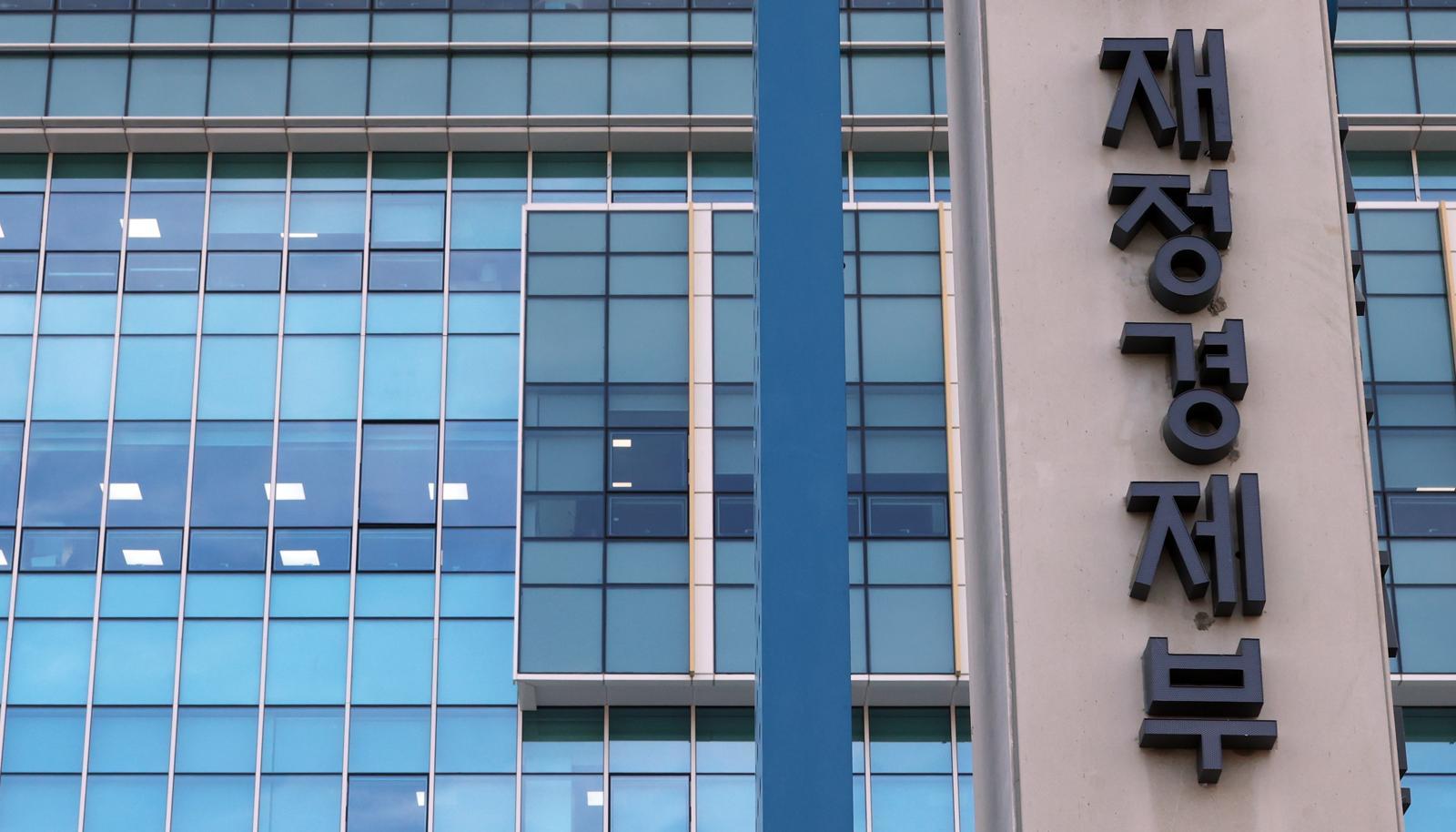
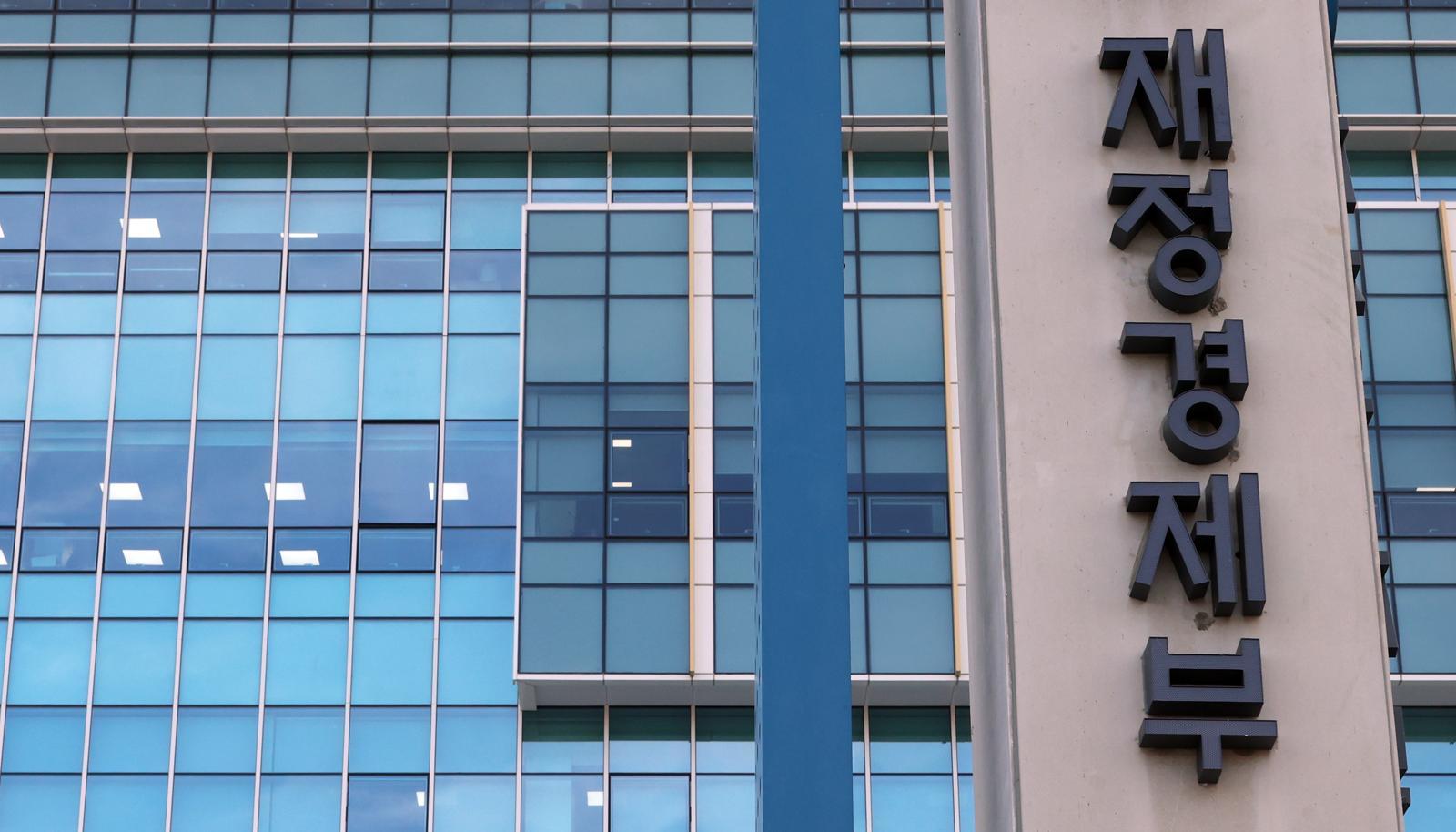
South Korean officials are actively discussing the allocation of substantial excess tax revenue, largely generated by the booming semiconductor industry. The debate centers on how best to invest these funds for the nation's future and public welfare, with various proposals emerging from key government figures.
The number one priority is to invest in developing second semiconductor items.
Deputy Prime Minister and Minister of Economy and Finance, Gu Yoon-cheol, suggested prioritizing investment in developing "second semiconductor items" and allocating funds to enhance capabilities for resolving structural issues like polarization. He also proposed reinvesting in youth entrepreneurship and AI education, alongside establishing a Korean sovereign wealth fund. Minister of Planning and Budget, Park Hong-keun, echoed the importance of timely investment, stating, "It is crucial to invest properly when the opportunity arises."
We must also boldly spend money to strengthen capabilities for resolving structural issues like polarization.
However, differing perspectives exist regarding the utilization of this "semiconductor excess profit." Minister of Employment and Labor, Kim Young-hoon, advocated for measures to resolve the polarization structure where gains are limited to regular employees and primary contractors, seeking win-win solutions. In contrast, Minister of Trade, Industry and Energy, Kim Jeong-kwan, emphasized "concentration, not dispersion," for productive reinvestment for the future. The Presidential Office has stated its intention to listen to diverse public opinions.
It is crucial to invest properly when the opportunity arises.
The Hankyoreh editorial argues that the issue should not be framed as a simple choice between "reinvestment" and "redistribution" but rather requires finding a rational balance. The Korea Employers Federation has issued a "Special Recommendation for Management," asserting that the utilization of corporate profits is an inherent management right and that performance-based bonuses are a matter for labor-management negotiation, not wages. The editorial calls for both labor and management to adopt a more open stance, moving beyond narrow corporate interests and short-sighted attitudes to find solutions that harmonize national competitiveness, the interests of economic actors, and public welfare during the transition to the AI era. The National Assembly is urged to expedite deliberations on the social sharing of semiconductor excess profits as it prepares the budget and tax reform bills for the upcoming year.
We should seek win-win solutions to resolve the polarization structure where gains are limited to regular employees and primary contractors.
About this summary
Originally published by Hankyoreh in Korean. Translated, summarized, and contextualized automatically by DistantNews, with a note on how the source frames the story. Not individually reviewed before publishing. How this works.
More Stories

From Our Blog

News in Translation: What Gets Lost, and How We Keep the Framing

Diaspora Media: How Communities Abroad Follow Home

Traveling Where the Press Is Not Free: How to Read the News There

The Digital Nomad's Guide to Local News

The Same Story, Different Countries: How Coverage Changes at the Border
