


Declare state of emergency in health sector, group urges Tinubu
Summarized and contextualized by DistantNews.
At a glance
News
Named sources
New plan
- A coalition of Nigerian health reform advocates urged President Bola Tinubu to declare a state of emergency in the healthcare sector.
- They cited critical manpower shortages, decaying infrastructure, and declining access to quality medical services as reasons for the crisis.
- The group highlighted that only about 55,000 doctors serve over 220 million Nigerians, leading to overstretched facilities and long waiting times.
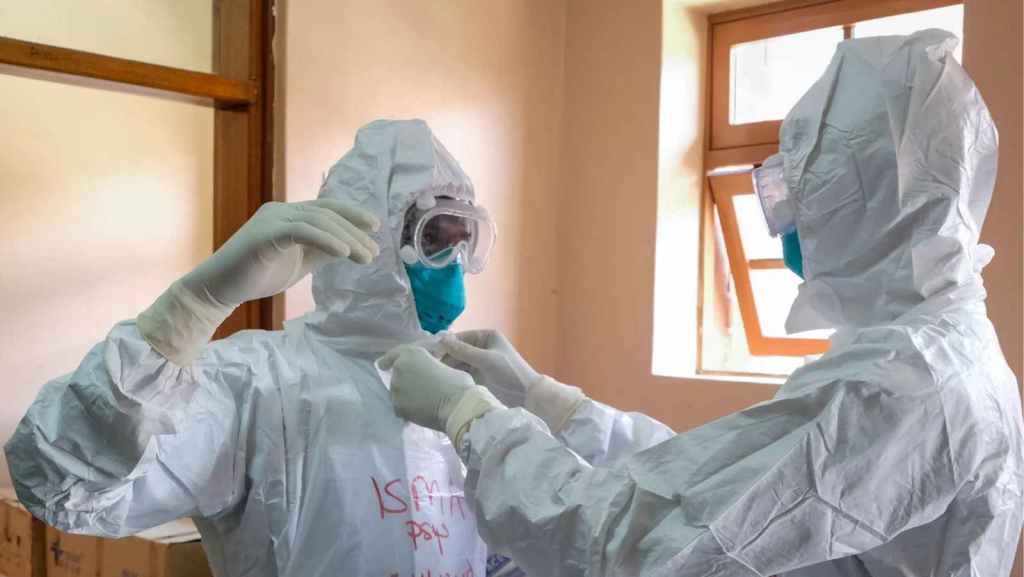
A coalition of concerned Nigerians has implored President Bola Tinubu to declare a state of emergency in the nation's healthcare sector, citing severe manpower shortages, deteriorating infrastructure, and a significant decline in access to quality medical services.
The Coalition of Concerned Nigerians on Health Reform stated at a press conference in Abuja that urgent government intervention is necessary to prevent further collapse of the health system. Coordinator Muniretu Isa highlighted the critical shortage of healthcare workers, exacerbated by the continuous migration of medical professionals seeking better opportunities abroad.
The shortage of healthcare workers has reached a critical level.
Referencing data from the Nigerian Association of Resident Doctors, the coalition noted that approximately 55,000 licensed doctors are currently serving a population exceeding 220 million. This stark imbalance has overstretched hospitals nationwide, resulting in extended waiting periods, delayed emergency care, and limited access to specialists, particularly in rural areas.
Furthermore, the group expressed concern over recurring industrial disputes among healthcare workers, attributing them to poor remuneration, inadequate welfare, and difficult working conditions. Many public hospitals reportedly struggle with outdated facilities, obsolete equipment, insufficient laboratory services, unreliable electricity, and shortages of essential medicines. The coalition also warned that rising medicine costs and Nigeria's reliance on imported pharmaceuticals are making healthcare increasingly unaffordable for many citizens.
The shortage has overstretched hospitals nationwide, resulting in long waiting times, delayed emergency care and limited access to specialist medical services, particularly in rural communities where many primary healthcare centres lack sufficient personnel, essential medicines and functional equipment.
DistantNews Editorial
Originally published by The Punch. Summarized and contextualized by our editorial team with added local perspective. Read our editorial standards.
More Stories

From Our Blog

How the Same Story Looks Different in Different Countries

What Gets Lost (and Found) When News Is Translated

The Critical Role of Diaspora Media in Global News

What Travellers Should Know About Countries with Restricted Press

A Digital Nomad's Guide to Following Local News
