


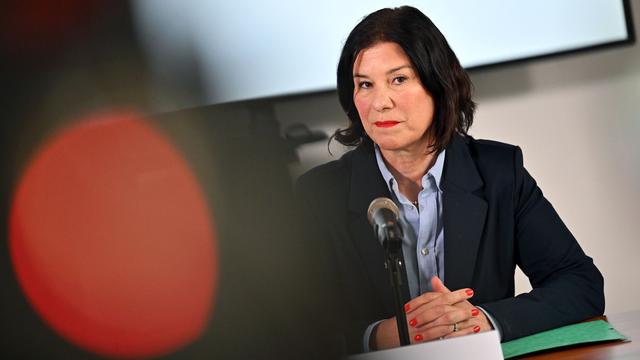
Defense Industry Engagement is a Transitional Strategy for Thuringia, Says Minister
Translated from German, summarized and contextualized by DistantNews.
At a glance
News
Sources not specified
Context piece
- Thuringia's Economy Minister Colette Boos-John stated that increased defense industry engagement is a temporary strategy, not a long-term solution for the region's economic transformation.
- The minister acknowledged that Germany's 100 billion euro defense spending this year presents an opportunity for Thuringian companies, particularly in optics and sensor technology.
- While supporting companies in sectors like drone development, Boos-John emphasized that the state does not dictate business decisions, stressing the desire for a peaceful world.
Thuringia's Economy Minister Colette Boos-John has described the region's growing involvement with the defense industry as a "transitional strategy," cautioning against over-reliance on military technology for its economic transformation.
Boos-John acknowledged the current economic climate, noting that Germany is allocating 100 billion euros to defense this year. She believes it is appropriate for some of this funding to benefit Thuringian companies. However, she stressed that this should not be the primary focus of the region's transformation process, stating, "Ultimately, we all wish to live in a peaceful world."
The minister's comments come as Thuringian automotive suppliers face significant challenges due to the industry's shift away from combustion engines toward electric mobility. Markus Behrens, head of the regional labor agency, previously suggested that companies could leverage their existing expertise to become suppliers in the defense sector, particularly in areas like optics and sensor technology, where many firms in the Jena region are global leaders.
Boos-John sees potential in sectors like drone development, noting that Thuringian companies are well-positioned to contribute. She emphasized that such technologies have both military and civilian applications and that the state would support these initiatives. However, she firmly stated that the decision to engage with the defense industry rests solely with individual businesses, not the state government, asserting, "The state is not the better entrepreneur."
DistantNews Editorial
Originally published by Die Zeit in German. Translated, summarized, and contextualized by our editorial team with added local perspective. Read our editorial standards.
More Stories


From Our Blog

What Gets Lost (and Found) When News Is Translated

How the Same Story Looks Different in Different Countries

The Critical Role of Diaspora Media in Global News

What Travellers Should Know About Countries with Restricted Press

A Digital Nomad's Guide to Following Local News
