



Defense minister Belaúnde denies taking part in questioning of Trujillo detainees despite photos
Translated from Spanish and summarized by DistantNews. Read the original for the full story.
At a glance
News
Named sources
Under investigation
- Peru's Defense Minister Rafael Belaúnde denied participating in police questioning of detainees linked to the kidnapping of Jenss Lara Tantaquilla and the killing of four people in Trujillo.
- Belaúnde said he attended only to check the detainees' physical and health condition, while acknowledging that his presence may have been inappropriate.
- Police chief Víctor Revoredo defended the questioning as urgent investigative work, but Attorney General Tomás Gálvez said it had no value and criticized the detainees' public exposure.
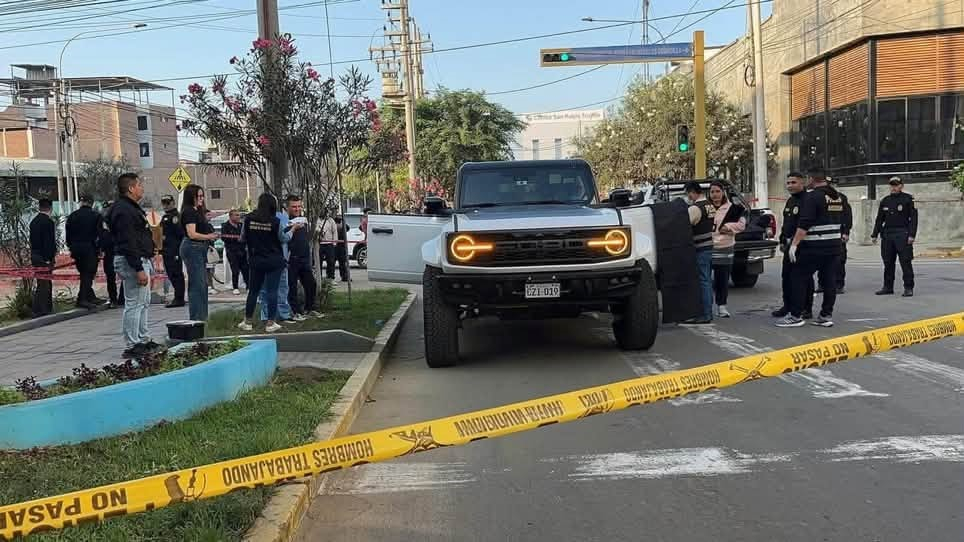
Defense Minister Rafael Belaúnde Llosa has denied taking part in the police interrogation of detainees connected to the kidnapping of gold trader Jenss Lara Tantaquilla and the killing of four people in Trujillo. His denial comes as senior officials openly disagree over the legality and usefulness of the police procedure.
Belaúnde said his presence related only to checking the detainees' physical and health condition while coordinating the state of emergency in Trujillo. “I did not take part in an interrogation, much less,” he said Saturday from Air Group No. 8. He added that Attorney General Tomás Gálvez and prosecutor Jorge Chávez Cotrina had indicated that approaching the detainees to verify their condition was not illegal, although he acknowledged that his presence may have been “ill-advised” or “inappropriate.”
I did not take part in an interrogation, much less
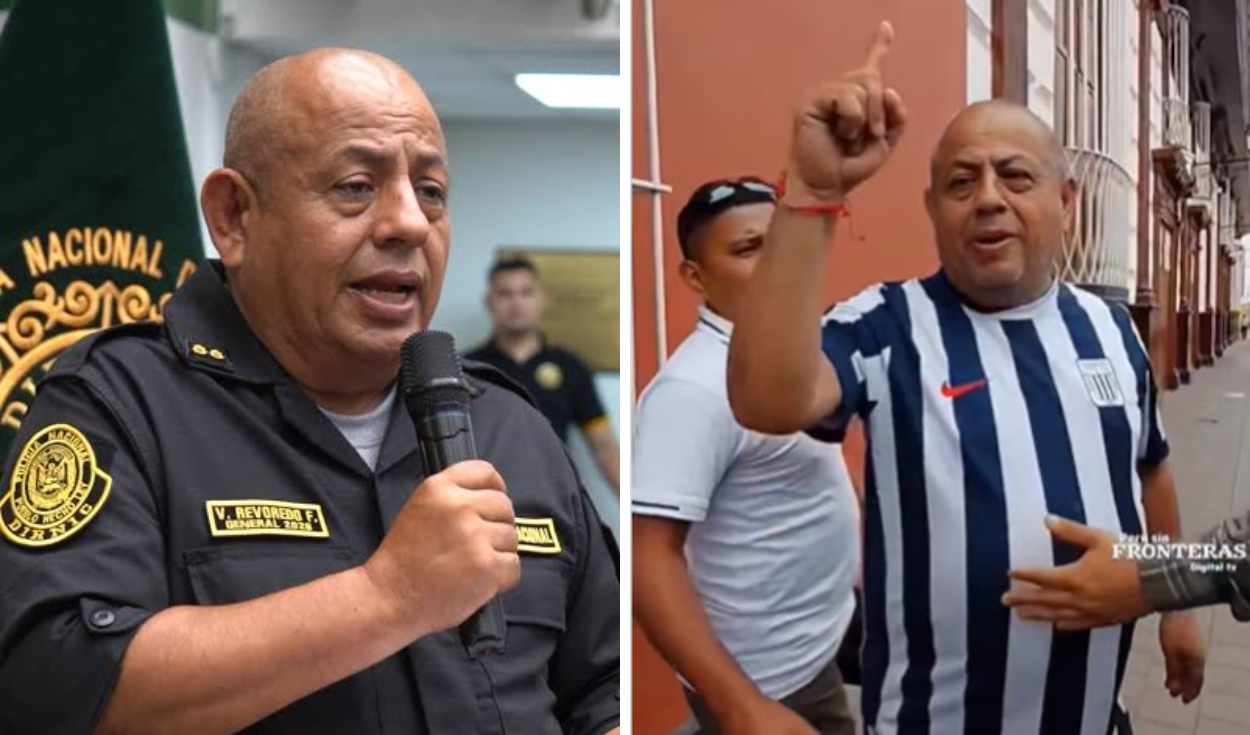
Dirincri chief Víctor Revoredo defended the preliminary questioning by police officers. He described it as urgent and unavoidable investigative work, saying officers asked about the detainees' origins, education, activities and other details that could later be verified. Revoredo argued that police have constitutional and legal powers to carry out certain procedures without first obtaining authorization from prosecutors or judges. He used that argument to defend the police search for the place where Lara was allegedly held.
ill-advised
Gálvez has taken the opposite view. He called the police interview a procedure with no investigative value and questioned why the detainees had been presented publicly. In his view, showing them to the media could compromise the confidentiality of the case and the investigation strategy.
The dispute has exposed conflicting positions among the institutions leading one of the most serious recent criminal cases in Trujillo. The police maintain that they acted within their powers, while the Public Prosecutor's Office questions both the interview's usefulness and the way it was conducted.
inappropriate
About this summary
Originally published by La República in Spanish. Translated, summarized, and contextualized automatically by DistantNews, with a note on how the source frames the story. Not individually reviewed before publishing. How this works.
More Stories
From Our Blog

News in Translation: What Gets Lost, and How We Keep the Framing

Diaspora Media: How Communities Follow News From Home

Traveling Where the Press Is Not Free: How to Read the News There

The Digital Nomad's Guide to Local News

The Same Story, Different Countries: How Coverage Changes at the Border
