

Delhi Auto Drivers Urge Infrastructure First for Electric Vehicle Transition
Translated from English, summarized and contextualized by DistantNews.
At a glance
News
Sources not specified
New plan
- Delhi's auto-rickshaw drivers, who transitioned to compressed natural gas (CNG) 25 years ago, are facing a new shift towards electric vehicles.
- Drivers recall the challenges of the CNG transition, including long queues and fuel shortages.
- They urge the city to establish robust electric vehicle infrastructure before mandating the transition to avoid repeating past problems.
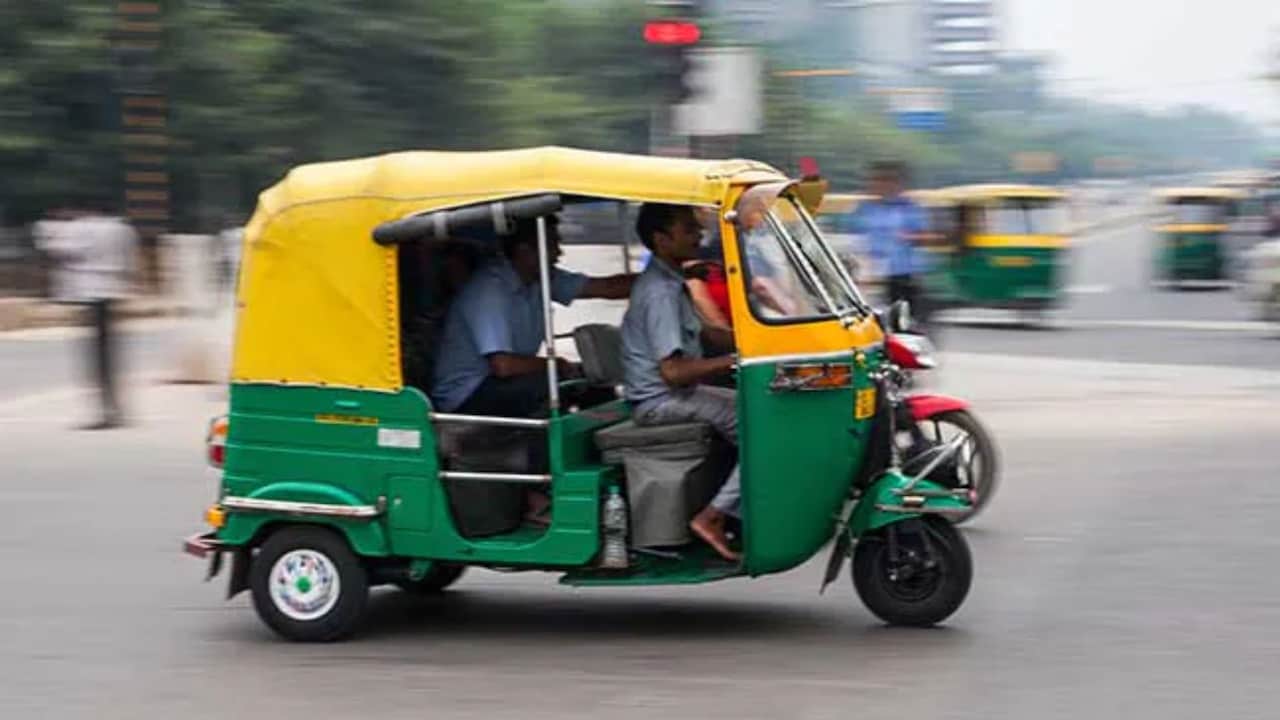
Twenty-five years after Delhi embraced compressed natural gas (CNG) for its auto-rickshaws, drivers who navigated the complexities of that transition are bracing for another major shift: electric vehicles.
The move to CNG in the late 1990s was a monumental change for the city's iconic three-wheelers. Drivers remember the significant hurdles they faced, including extensive queues at refueling stations and persistent fuel shortages. These experiences have left a lasting impression, shaping their views on the upcoming electric mobility push.
As Delhi prepares for its most ambitious electric vehicle initiative since the CNG revolution, the city's auto drivers are vocal about their concerns. They emphasize that the authorities have a critical opportunity to learn from the past. Their primary demand is for the city to build the necessary charging and refueling infrastructure *before* the transition gains momentum. They fear a repeat of the past disruptions if the infrastructure lags behind the mandate.
This proactive approach, they argue, is essential to ensure a smoother and more efficient transition for both drivers and the city's transportation system. The drivers' message is clear: learn from history and build the infrastructure first to avoid repeating the challenges of the CNG era.
the city has one chance to avoid repeating history: build the infrastructure before the transition gathers speed.
DistantNews Editorial
Originally published by NDTV in English. Translated, summarized, and contextualized by our editorial team with added local perspective. Read our editorial standards.
More Stories


From Our Blog

What Press Freedom Means for the News You Read

What Gets Lost (and Found) When News Is Translated

The Critical Role of Diaspora Media in Global News

What Travellers Should Know About Countries with Restricted Press

A Digital Nomad's Guide to Following Local News
