


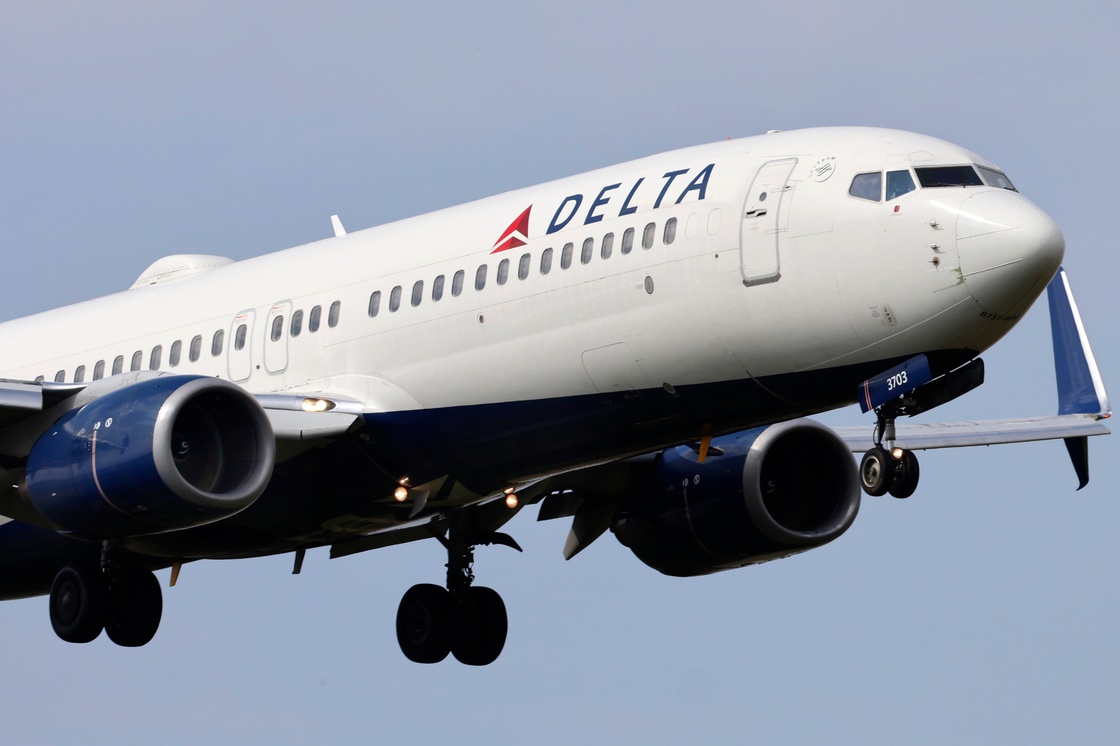
Delta Air Lines signals that airfare hikes might be here to stay
Translated from English, summarized and contextualized by DistantNews.
At a glance
News
Sources not specified
Context piece
- Delta Air Lines forecasts a strong third quarter, signaling confidence that recent fare increases can be sustained.
- The airline expects to recover about 60% of fuel cost increases in the second quarter and more in the third, despite easing fuel prices.
- Delta reaffirmed its 2026 earnings forecast, with the midpoint 17% above analyst expectations, driven by revenue strength and pricing rather than capacity expansion.
Delta Air Lines is signaling confidence that its recent fare hikes will stick, even as fuel prices ease. The U.S. carrier reaffirmed its full-year profit forecast and offered a stronger-than-expected outlook for the third quarter on Friday.
This forecast, from the first major U.S. airline to report earnings, provides an early look at travel demand beyond the summer. It also indicates whether airlines can maintain fare increases implemented during a spring fuel price surge as costs moderate.
Delta's Chief Financial Officer Erik Snell stated that the carrier recovered approximately 60% of its fuel cost increase in the second quarter, a faster pace than historically observed. He anticipates recovering even more in the current quarter. "Demand continues to be strong and there are no signs of weakness or shift in patterns in demand," Snell told reporters, adding, "We haven’t seen elasticity."
Carriers had raised fares in the spring amid a surge in jet fuel prices linked to geopolitical events. Although fuel prices have since retreated from their peak, investors are watching to see if lower costs will boost profits or if airlines will add too much capacity after the summer, thereby weakening pricing. Delta forecast 2026 adjusted earnings between $6.50 and $7.50 per share, maintaining its January range. The $7 midpoint is about 17% higher than the $5.97 per share expected by analysts.
Snell noted that fuel price volatility would be a key factor in Delta reaching the upper end of its earnings range, while the airline expects revenue strength to persist through the year-end. The airline's shares saw a slight dip in premarket trading. For the third quarter, Delta expects adjusted earnings between $2.00 and $2.50 per share, surpassing analysts' average estimate of $2.02. The company anticipates mid-teen revenue growth and an operating margin of 11% to 13%. Delta's performance suggests airlines are prioritizing revenue growth through pricing strategies over expanding capacity. In the second quarter, the airline reported nearly 14% revenue growth with only about 1% capacity expansion. Passenger revenue per available seat mile increased by 11% year-over-year in the second quarter. Snell indicated that Delta's third-quarter volume would be roughly flat to slightly higher compared to the previous year, suggesting that revenue growth is primarily driven by fares and passenger mix rather than increased flight volume. Premium revenue saw a 17% increase in the second quarter, while main-cabin ticket revenue also grew by 8%, reinforcing Delta's view of sustained demand beyond its highest-paying customers.
Demand continues to be strong and there are no signs of weakness or shift in patterns in demand. We haven’t seen elasticity.
DistantNews Editorial
Originally published by Global News in English. Translated, summarized, and contextualized by our editorial team with added local perspective. Read our editorial standards.
More Stories


From Our Blog

What Gets Lost (and Found) When News Is Translated

The Critical Role of Diaspora Media in Global News

What Travellers Should Know About Countries with Restricted Press

A Digital Nomad's Guide to Following Local News

How the Same Story Looks Different in Different Countries
