

DEM Party Deputy: 'Why Should We Believe the AK Party?'
Translated from Turkish, summarized and contextualized by DistantNews.
At a glance
News
Sources not specified
Context piece
- DEM Party deputy Meral Danış Beştaş criticized the ruling AK Party's policies, stating they have historically rejected diversity.
- Beştaş argued that Turkey has been defined by a single identity, faith, and even gender since the 1924 constitution.
- She highlighted the ongoing assimilation and denial policies against Kurds and Alevis, stating that the Kurdish issue requires democratic political solutions within parliament.
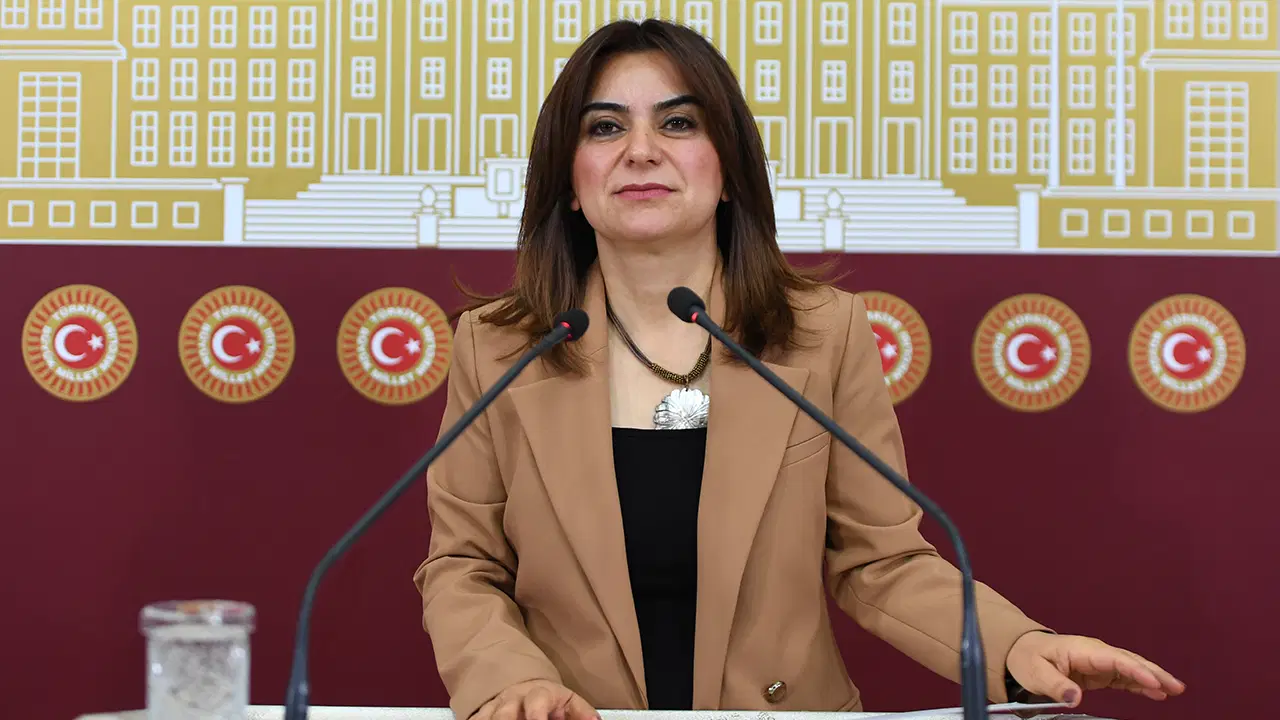
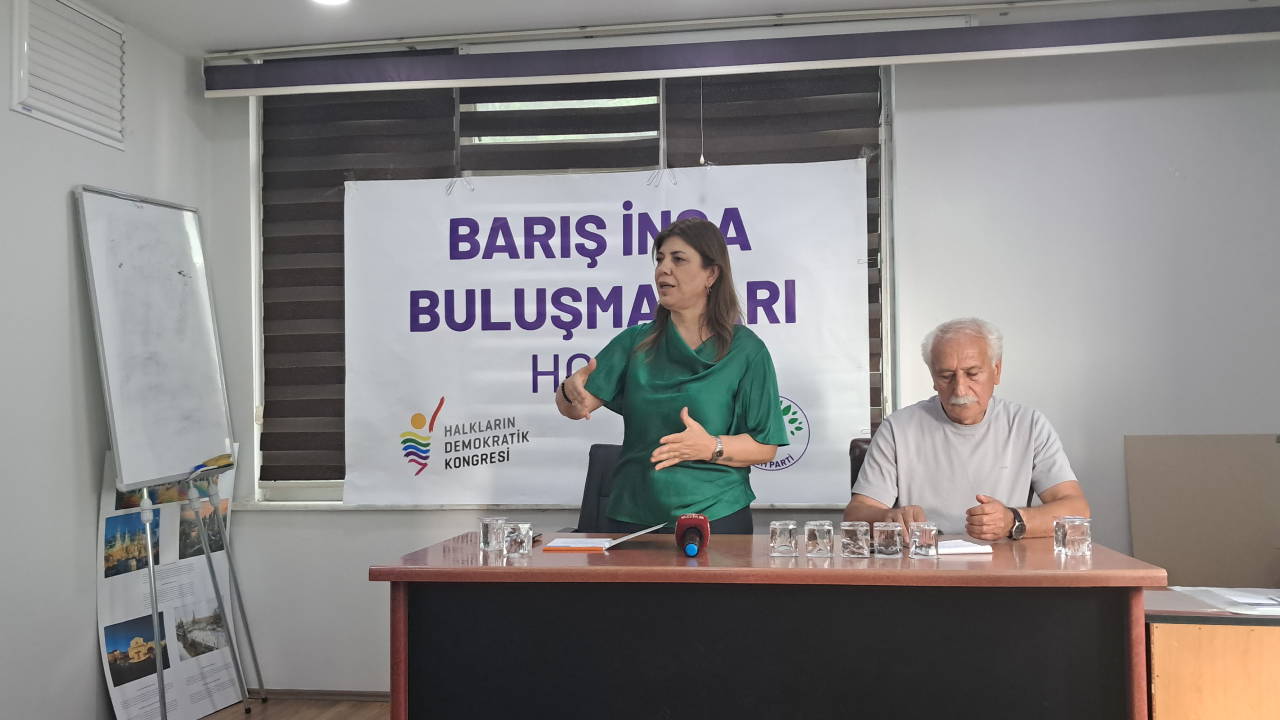
Meral Danış Beştaş, a deputy for the DEM Party and co-chair of the Peoples' Democratic Congress (HDK), has sharply criticized the ruling AK Party's governance, asserting that Turkey's history, barring a brief period, has been marked by a consistent rejection of diversity. Speaking at a "Voice for Peace" event in Hopa, Beştaş stated that since the 1924 constitution, the nation has been defined by a singular identity, faith, and gender. She contended that this exclusionary policy continues today, with the AK Party's actions causing significant hardship for political traditions that embrace diversity.
Since the 1924 constitution, continuing to the present day, Turkey has been defined through a single identity, a single faith, and even a single gender. This single-minded policy has continued from that day to this. We know very well what the AK Party government has done, the policies it has pursued, and the experiences it has imposed. As one of the political traditions that has suffered the most from these attacks, we know them closely.
Beştaş specifically addressed the unresolved issues faced by Kurds and Alevis in Turkey. She pointed out that Alevi beliefs are still not officially recognized, Cemevis (Alevi places of worship) lack the status of official houses of prayer, and education in native languages remains unavailable. "Different identities have never been fully accepted," Beştaş declared, referencing a historical undercurrent of 'othering.' She cited a litany of historical traumas, from Dersim and Ağrı to Roboski, and the assassinations of figures like Tahir Elçi and Hrant Dink, as evidence of state repression and violence against minority groups.
Today, the Alevi faith is still not officially recognized. Cemevis are still not considered places of worship. Education in the mother tongue is still absent. Differences are still rejected. The Kurdish society and the Kurdish people have a history that has reached today through rebellions, objections, and armed and unarmed struggles in different periods. Continuous assimilation, denial, and annihilation policies have been pursued against the Kurds. Governments have changed, leaders have changed, prime ministers have changed, presidents have changed, but the policy of denial has not changed.
Addressing the Kurdish issue, Beştaş emphasized that its resolution lies within the parliament and through democratic politics. She advocated for dialogue, negotiation, and constitutional reforms. Beştaş noted the significance of recent statements from Devlet Bahçeli and President Erdoğan regarding strengthening the "internal front," alongside Abdullah Öcalan's call for a ceasefire and disarmament, as potential openings for democratic political channels. "We are changing our vehicle. We will not use weapons. We will conduct our struggle and politics through democratic means in Turkey," she stated, signaling a potential shift towards non-violent political engagement.
We said that dialogue, negotiation, and constitutional and legal changes are necessary for this. We argued that Kurds should enter through the door of law. At the point we have reached, we evaluate the current process as a new process in this sense.
DistantNews Editorial
Originally published by Cumhuriyet in Turkish. Translated, summarized, and contextualized by our editorial team with added local perspective. Read our editorial standards.
More Stories

From Our Blog

What Gets Lost (and Found) When News Is Translated

The Critical Role of Diaspora Media in Global News

What Travellers Should Know About Countries with Restricted Press

A Digital Nomad's Guide to Following Local News

How the Same Story Looks Different in Different Countries
