


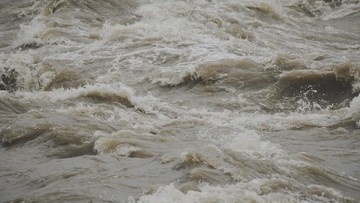
Demak River Polluted by Septic Waste Dumped by Trucks for Years
Translated from Indonesian, summarized and contextualized by DistantNews.
At a glance
News
Sources not specified
Context piece
- For years, suspected septic trucks have allegedly dumped human waste into the Babon River in Demak, Central Java, causing pollution.
- The head of Demak's Environment Agency stated that businesses dump waste on riverbanks to avoid disposal fees at government-provided facilities.
- The practice has continued for years, with authorities attempting to curb it through patrols and warnings, though it has reportedly stopped and restarted.
Suspected septic trucks have allegedly dumped human waste into the Babon River in Demak, Central Java, for years, leading to severe environmental pollution. The head of Demak's Environment Agency, Mulyanto, confirmed that businesses involved in septic tank services are illegally disposing of the waste on the riverbanks.
"There are indeed individuals or communities who have septic tank cleaning businesses and dump it on the Babon River's borderlands. But no matter what, when it rains, it still flows into the river, causing pollution," Mulyanto stated. He explained that the dumping has been ongoing for years in Desa Kebonbatur, Mranggen, Demak.
The Babon River flows through both Demak Regency and Semarang City, meaning septic trucks from both areas are implicated. Mulyanto noted that these businesses operate in both regions, collecting waste and then disposing of it illegally.
Authorities believe the businesses dump the waste on the riverbanks to avoid the fees associated with using government-provided sewage treatment facilities. "According to regulations, they should dispose of it at the IPLT provided by the government. The closest ones to Mranggen are near Tambaklorok, and in Demak itself, there's one in Berahan Kulon," Mulyanto explained. "But it costs money, there are fees, so to cut costs, they deliberately dump it in the river."
Mulyanto added that his agency has made efforts to stop the practice, including posting signs, deploying guards, and issuing warnings. He mentioned that when he first took office eight months prior, the practice was already occurring and had temporarily stopped when his team actively patrolled the area. Despite these efforts, the illegal dumping continues to pollute the river.
DistantNews Editorial
Originally published by CNN Indonesia in Indonesian. Translated, summarized, and contextualized by our editorial team with added local perspective. Read our editorial standards.
More Stories


From Our Blog

What Gets Lost (and Found) When News Is Translated

The Critical Role of Diaspora Media in Global News

What Travellers Should Know About Countries with Restricted Press

A Digital Nomad's Guide to Following Local News

How the Same Story Looks Different in Different Countries
