


Dengue cases in Peru near 2025 levels, El Niño could worsen outlook
Translated from Spanish, summarized and contextualized by DistantNews.
At a glance
News
Named sources
Context piece
- Dengue cases in Peru have risen to 34,820 with 36 deaths, a 22% increase compared to the same period in 2025.
- Experts warn that the approaching El Niño phenomenon could worsen the dengue outbreak due to rising temperatures favoring mosquito reproduction.
- The Amazon region and northern coast remain high-risk areas, with Lima also emerging as a new hotspot.
Peru is grappling with a significant surge in dengue cases, with figures nearing those of a major outbreak in 2024. As of the 26th epidemiological week, the country has recorded 34,820 cumulative cases and 36 fatalities. This represents a 22% increase from the same period in 2025, when 28,587 infections were reported. While the number of deaths has decreased by 25% compared to last year, health officials express concern over the potential impact of the El Niño phenomenon.
The dengue is not controlled in the world. There are periodic outbreaks and re-outbreaks in Peru and other countries. In 2024 we had the worst outbreak in our history; in 2025 the cases decreased, but this year they are increasing again due to sanitary and climatic conditions.
Specialists warn that the anticipated arrival of El Niño could significantly exacerbate the dengue situation. Rising global temperatures, a characteristic of El Niño, create ideal conditions for the Aedes aegypti mosquito, the primary vector for the dengue virus, to breed and spread. "When major climate changes occur, like El Niño, dengue tends to increase because conditions become more favorable for the transmitting mosquito," explained infectious disease specialist Ciro Maguiña.
When major climate changes occur, like El Niño, dengue tends to increase because conditions become more favorable for the transmitting mosquito.
Maguiña elaborated that higher temperatures accelerate the mosquito's reproductive cycle. "As the temperature increases, the time between the mosquito laying an egg and reaching adulthood shortens. This means there are more mosquitoes in less time, and therefore a greater possibility of an increase in cases," added infectious disease specialist Leslie Soto.
As the temperature increases, the time between the mosquito laying an egg and reaching adulthood shortens. This means there are more mosquitoes in less time, and therefore a greater possibility of an increase in cases.
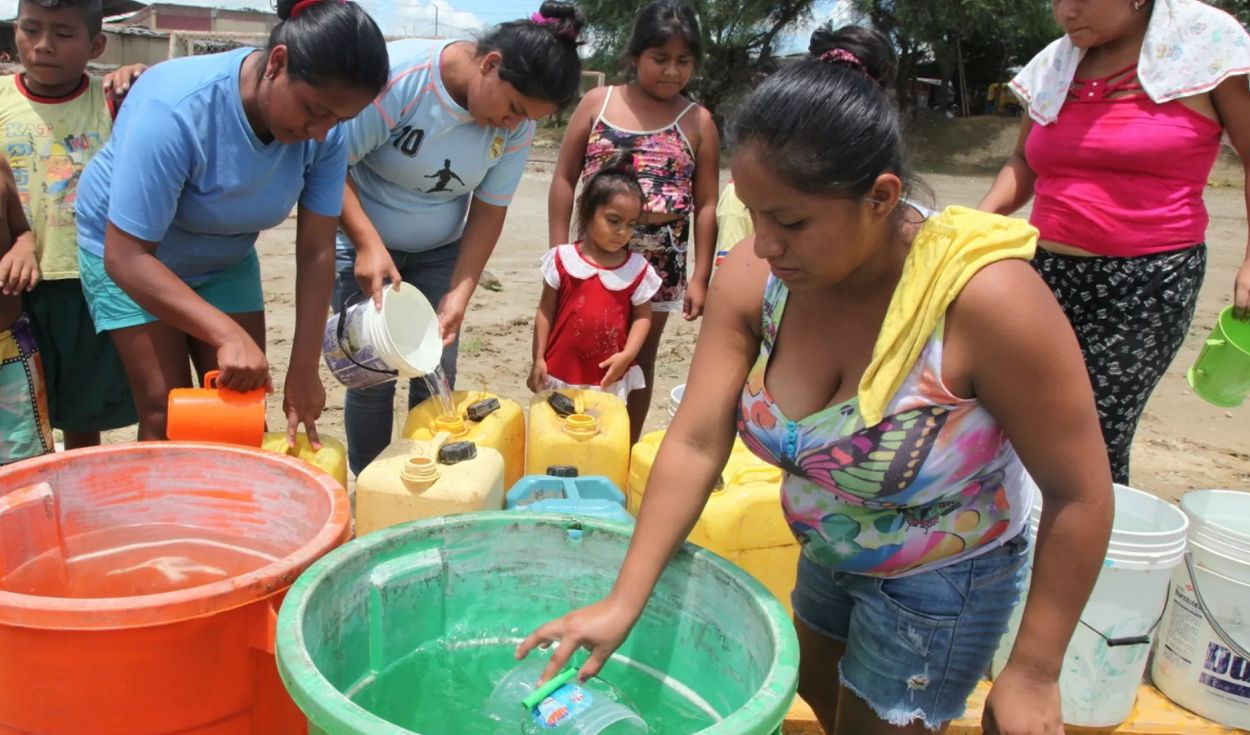
Historically, the Amazon region and the northern coast of Peru have been the most affected areas due to a combination of poverty, inadequate sanitation, and favorable climate conditions. However, Maguiña noted that climate change has allowed dengue to spread to new regions, including Lima, which has become a notable hotspot in recent years. While vaccines offer some protection, they are not sufficient to halt the ongoing outbreaks.
Loreto, Madre de Dios, Ucayali, as well as the northern coast from Áncash to Tumbes, continue to be the main hotspots. Lima has also become a new hotspot for some years now.
DistantNews Editorial
Originally published by La República in Spanish. Translated, summarized, and contextualized by our editorial team with added local perspective. Read our editorial standards.
More Stories


From Our Blog

What Gets Lost (and Found) When News Is Translated

The Critical Role of Diaspora Media in Global News

What Travellers Should Know About Countries with Restricted Press

A Digital Nomad's Guide to Following Local News

How the Same Story Looks Different in Different Countries
