

Denmark, Germany Lead EU Budget Cut Demands
Translated from Danish and summarized by DistantNews. Read the original for the full story.
At a glance
News
Named sources
New plan
- Denmark, Germany, and four other EU countries are calling for a significant cut to the European Commission's proposed budget for 2028-2034.
- The nations argue that the EU must make clear choices and reprioritize spending, similar to national budgeting practices.
- They aim to finalize negotiations on the new EU budget in 2026, with a focus on balanced reductions across all expenditure areas.
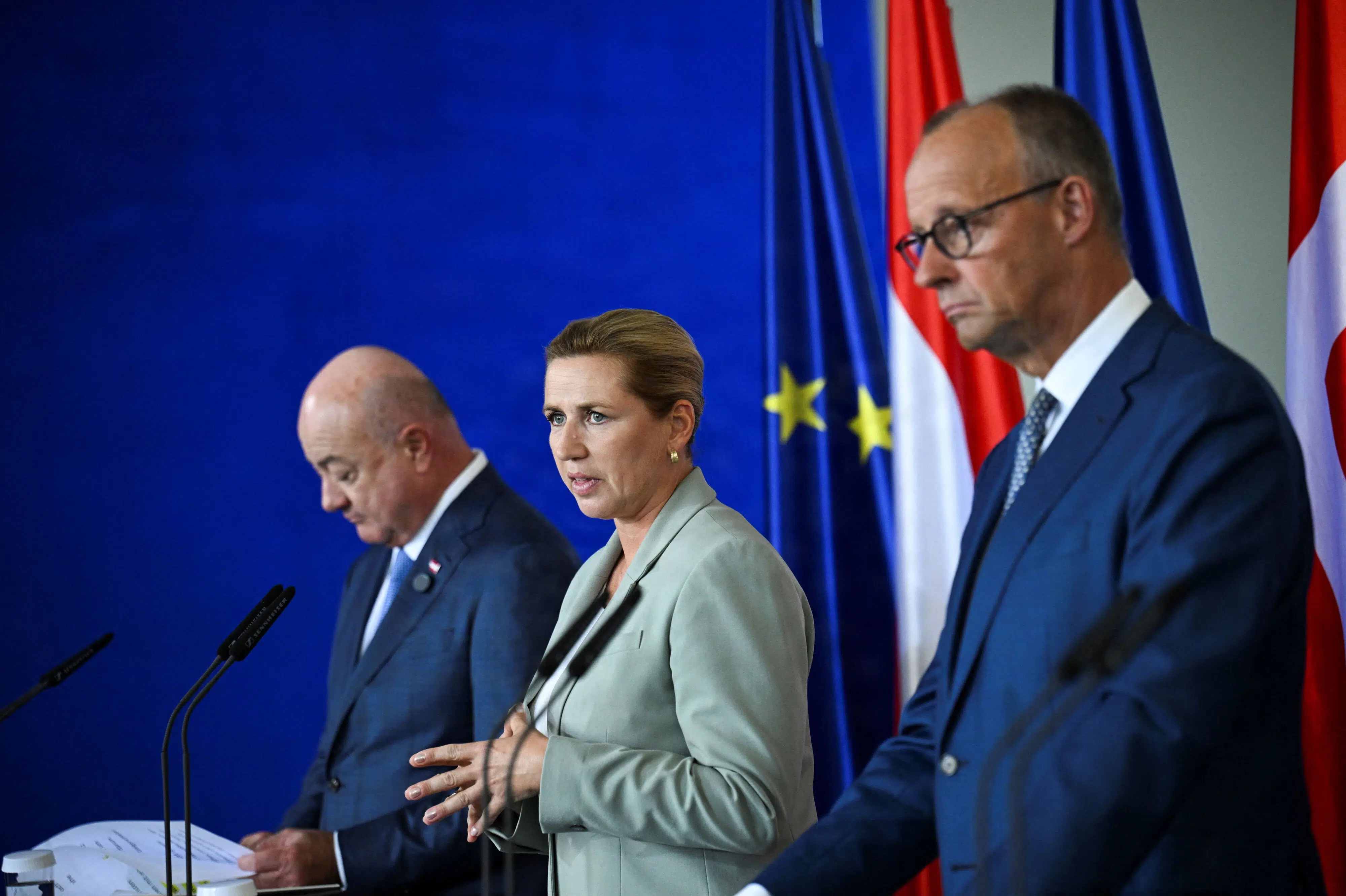
Denmark and Germany, alongside the Netherlands, Austria, Finland, and Sweden, have issued a joint statement demanding a substantial reduction in the European Commission's proposed budget for the 2028-2034 period. The six nations argue that the commission's plan, which totals nearly 2 trillion euros, needs to be trimmed by "several hundred billion euros in a balanced manner."
The European Union must make clear choices and reprioritize within the budget, just as we do ourselves.
Prime Minister Mette Frederiksen of Denmark, currently in Berlin for budget talks, emphasized the need for the European Union to "make clear choices and reprioritize within the budget, just as we do ourselves." This sentiment was echoed by German Chancellor Friedrich Merz, who stated that the commission's proposal "simply does not fit the times we live in." Merz stressed that the countries behind the declaration represent approximately 40% of the EU's budget.
The joint statement calls for reductions across "all expenditure areas," signaling a broad approach to fiscal consolidation within the bloc. The participating nations aim to conclude negotiations on the new EU budget by 2026. This initiative sees four of the six countries having previously formed the "Frugal Four" during the 2019 budget negotiations, known for advocating fiscal restraint.
The European Commission's proposal simply does not fit the times we live in.
While Denmark has previously shown openness to a modest increase in the EU budget for priorities like defense, competitiveness, and green transition, it has also expressed concerns about the magnitude of proposed increases. The Danish Finance Ministry estimated that a previous proposal from the Cypriot EU presidency would have raised Denmark's annual contribution by 15.6 billion Danish kroner. The current proposal, even after revisions by the European Commission, is still considered too high by the coalition of fiscally conservative member states.
We are not stingy.
About this summary
Originally published by Berlingske in Danish. Translated, summarized, and contextualized automatically by DistantNews, with a note on how the source frames the story. Not individually reviewed before publishing. How this works.
More Stories

From Our Blog

What Gets Lost (and Found) When News Is Translated

The Critical Role of Diaspora Media in Global News

What Travellers Should Know About Countries with Restricted Press

A Digital Nomad's Guide to Following Local News

How the Same Story Looks Different in Different Countries
