

Denmark's New Coalition Government Plans to Reinstate Public Holiday
Translated from Danish, summarized and contextualized by DistantNews.
At a glance
News
From a news agency
New plan
- Denmark's new four-party "Firkløverregeringen" (Cloverleaf Government) plans to reinstate "Store Bededag" (Great Prayer Day) as a public holiday in 2030.
- This move is conditional on achieving an employment increase equivalent to the economic boost gained from its abolition in 2023.
- The decision follows significant opposition from labor unions and the church when the holiday was initially removed by the previous government.
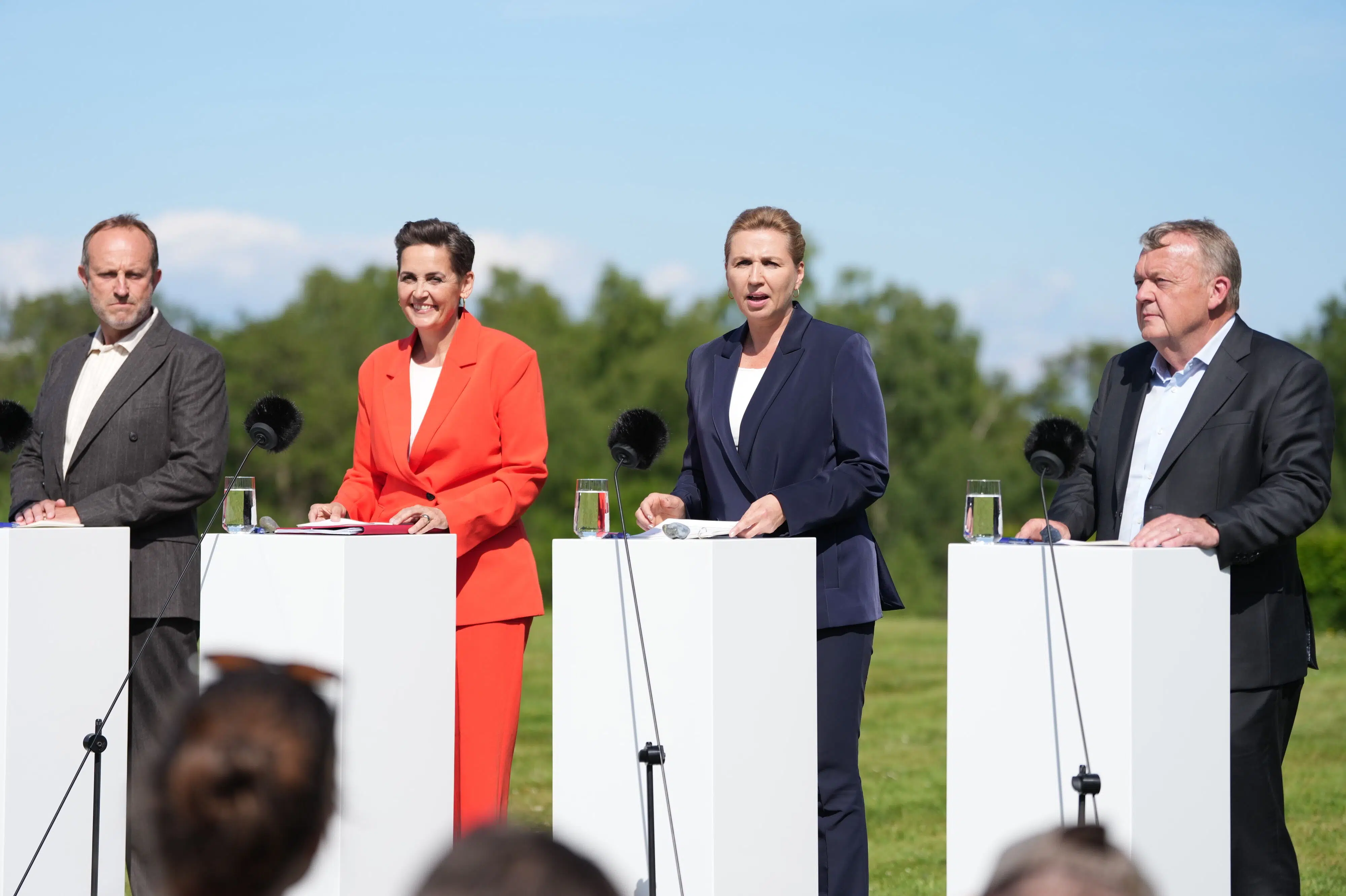
Denmark's newly formed four-party coalition, calling itself the "Cloverleaf Government," has announced plans to bring back "Store Bededag" (Great Prayer Day) as a public holiday starting in 2030. The coalition, comprising the Social Democrats, SF, Moderates, and the Social Liberals, outlined this in their government platform.
However, the reinstatement is not unconditional. The government stated that the holiday can only be reintroduced if an equivalent increase in employment is achieved beforehand. This condition is linked to the economic impact of abolishing the holiday in 2023, which was estimated to increase the labor supply by 8,500 people, according to the Ministry of Finance.
The previous SVM-led government, with support from the Social Liberals, abolished Store Bededag in 2023, facing strong opposition from labor unions, bishops, and political parties. SF, now part of the new coalition, had campaigned on restoring the holiday, while the other three governing parties had previously supported its removal.
And then the Danes will get Store Bededag back. I think that has something to it too.
"And then the Danes will get Store Bededag back. I think that has something to it too," said SF leader Pia Olsen Dyhr at the press conference. Moderates leader Lars Løkke Rasmussen acknowledged that compromises were made, expressing satisfaction with the resulting government platform and emphasizing the potential for progress when politicians cooperate.
The new government will operate as a minority government with 82 seats in parliament. Enhedslisten and Alternativet will serve as support parties, having secured agreements on issues such as public transport for children and youth, publicly funded dental care, and changes to Danish pork production. The name "Cloverleaf Government" echoes a previous coalition led by Poul Schlüter from 1982 to 1988.
there are compromises made along the way. That said, I would like to say that we are even immensely satisfied with the government platform that we will help take responsibility for. It shows that a lot can be done when responsible politicians reach out to each other.
DistantNews Editorial
Originally published by Berlingske in Danish. Translated, summarized, and contextualized by our editorial team with added local perspective. Read our editorial standards.
More Stories
,xPosition=.5,yPosition=.5;Resize=(1200,675)&impolicy=medium)
From Our Blog

What Gets Lost (and Found) When News Is Translated

The Critical Role of Diaspora Media in Global News

What Travellers Should Know About Countries with Restricted Press

A Digital Nomad's Guide to Following Local News

How the Same Story Looks Different in Different Countries
