


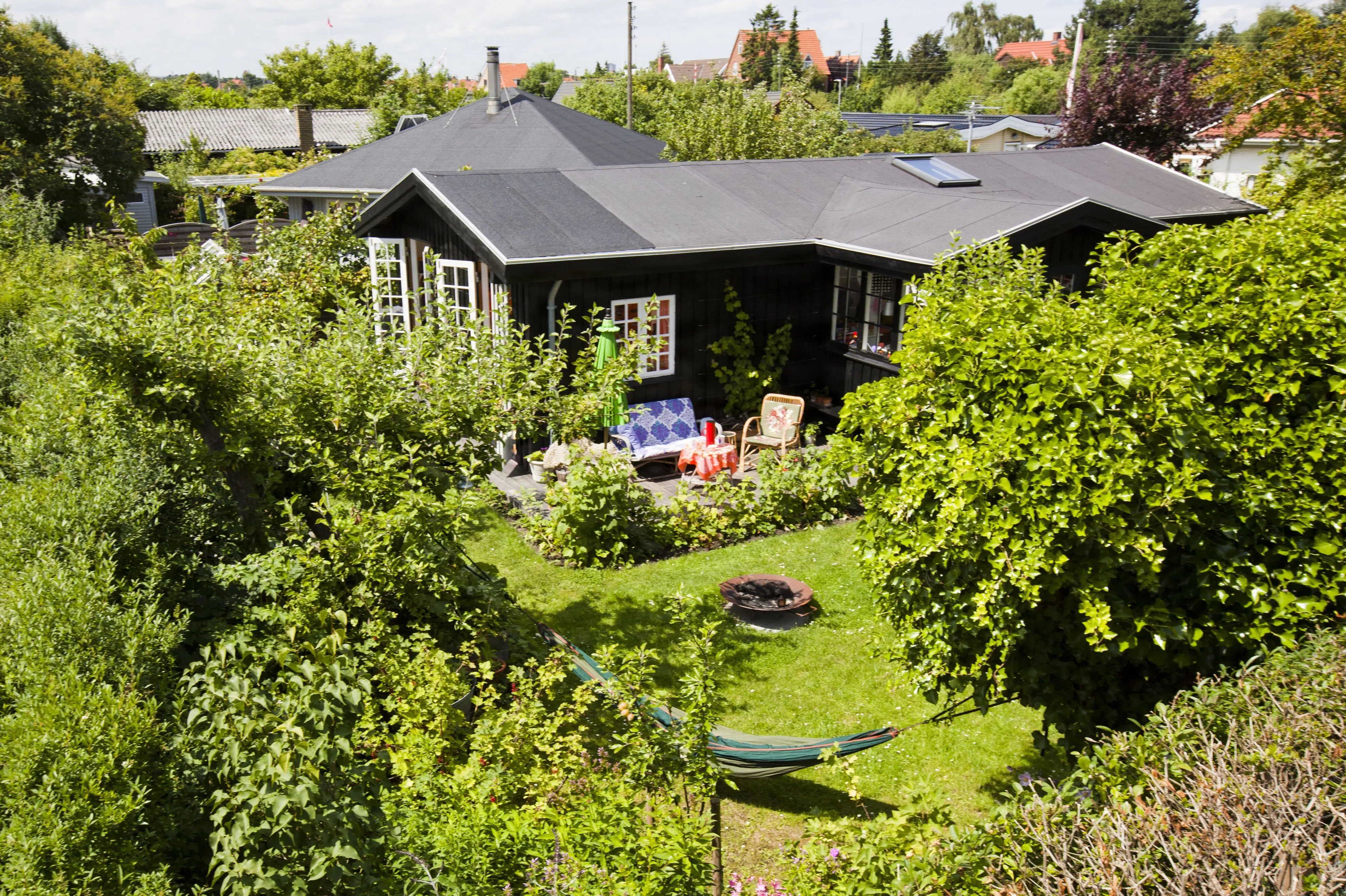
Denmark’s oversight body clears municipal inspections of allotment gardens
Translated from Danish and summarized by DistantNews. Read the original for the full story.
At a glance
Newswire
From a news agency
In the courts
- Denmark’s Appeals Board ruled that municipalities may inspect allotment homes suspected of being used as year-round residences.
- Ballerup Municipality also collects signs such as parked cars, full garbage bins and high electricity use during winter.
- A lawyer representing allotment owners says the monitoring is excessive and plans to bring the case before the parliamentary ombudsman.
Municipalities may legally knock on the doors of allotment owners suspected of living in their garden homes throughout the year, Denmark’s Appeals Board has ruled.
The decision followed a case involving Ballerup Municipality, which faced accusations that it had gone too far while seeking evidence of rule violations. Steen Pedersen, head of Ballerup’s allotment team, said the municipality had always believed its approach was lawful and welcomed the board’s support.
During the winter months, Ballerup also records signs that a property may be used as a permanent residence. These include photographs of parked cars, full garbage bins and unusually high electricity consumption.
Ditte Jensen, a lawyer representing allotment owners in Ballerup, argues that the practice amounts to excessive and systematic surveillance. She plans to take the case to Denmark’s parliamentary ombudsman.
Under the rules, an allotment home may be occupied from April 1 to Sept. 30. During the rest of the year, owners may stay overnight only on weekends and for other short periods.
We have always been certain that we were using a fully legal approach, but of course we are pleased to have received the Appeals Board’s backing.
About this summary
Originally published by Berlingske in Danish. Translated, summarized, and contextualized automatically by DistantNews, with a note on how the source frames the story. Not individually reviewed before publishing. How this works.
More Stories


From Our Blog

What Gets Lost (and Found) When News Is Translated

The Critical Role of Diaspora Media in Global News

What Travellers Should Know About Countries with Restricted Press

A Digital Nomad's Guide to Following Local News

How the Same Story Looks Different in Different Countries
