


Denmark Should Fund Cultural Heritage, Not Preaching, State Argues
Translated from Danish, summarized and contextualized by DistantNews.
At a glance
Opinion
Sources not specified
Context piece
- The Danish state should not fund preaching but should instead support cultural heritage.
- This argument is based on the principle that everyone has a right to know the history, faith, and culture that shaped society.
- The state should continue to support the folk church, but only where its tasks are shared.
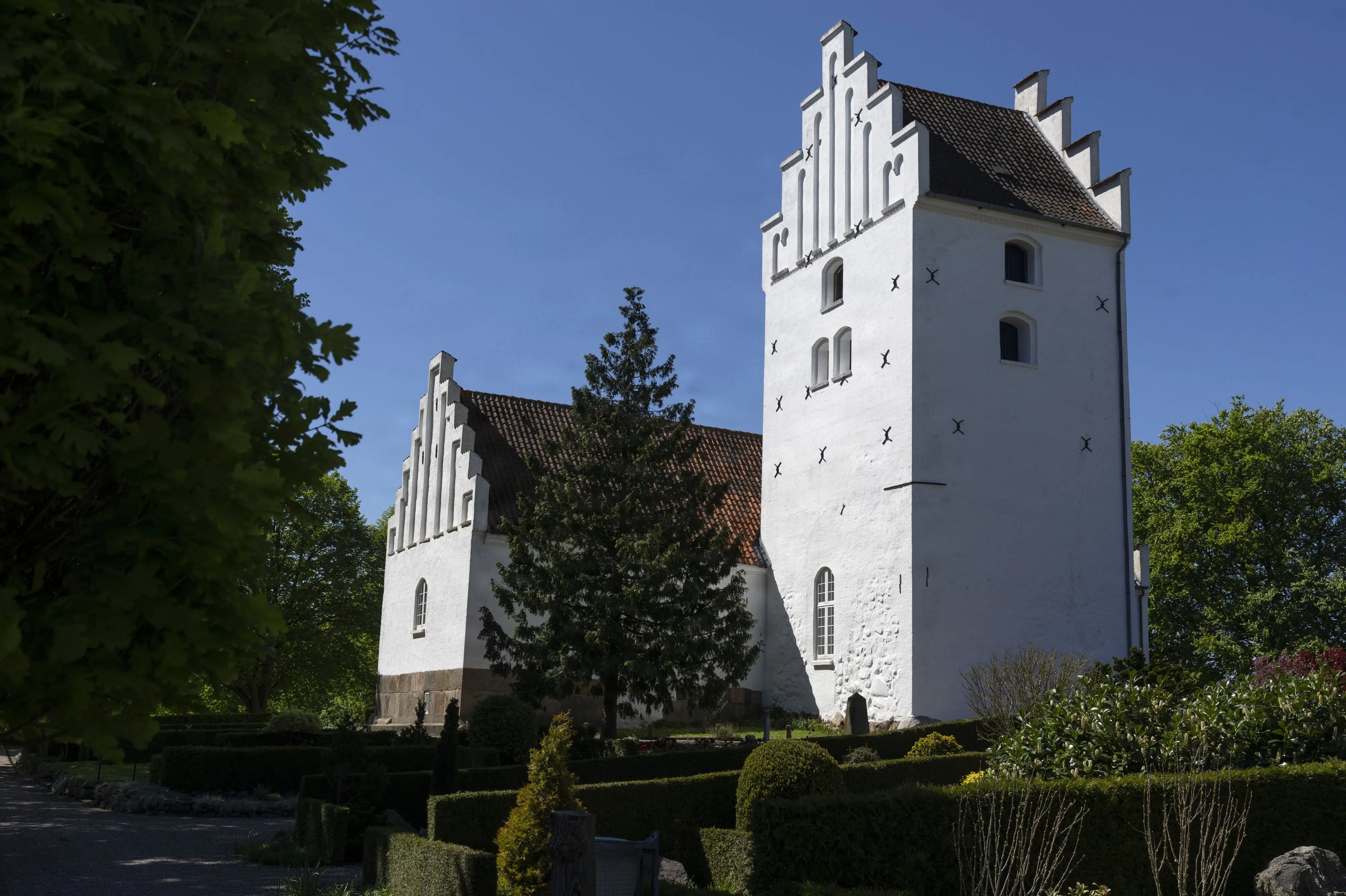
The Danish state's financial contributions should prioritize cultural heritage over religious preaching, according to a recent perspective. The argument posits that all citizens have a fundamental right to understand the historical, religious, and cultural foundations upon which Danish society has been built.
This viewpoint suggests that while the state should continue its support for the folk church, this assistance should be narrowly focused on areas where the church's activities align with shared societal tasks. The distinction aims to separate the church's role as a preserver and conveyor of cultural heritage from its function as a platform for religious sermons.
By reallocating funds, the state could more effectively invest in preserving historical sites, archives, and cultural traditions. This approach emphasizes the value of collective cultural understanding and ensures that public funds are used to benefit society broadly, rather than exclusively supporting religious instruction.
DistantNews Editorial
Originally published by Berlingske in Danish. Translated, summarized, and contextualized by our editorial team with added local perspective. Read our editorial standards.
More Stories


From Our Blog

What Gets Lost (and Found) When News Is Translated

The Critical Role of Diaspora Media in Global News

What Travellers Should Know About Countries with Restricted Press

A Digital Nomad's Guide to Following Local News

How the Same Story Looks Different in Different Countries
