


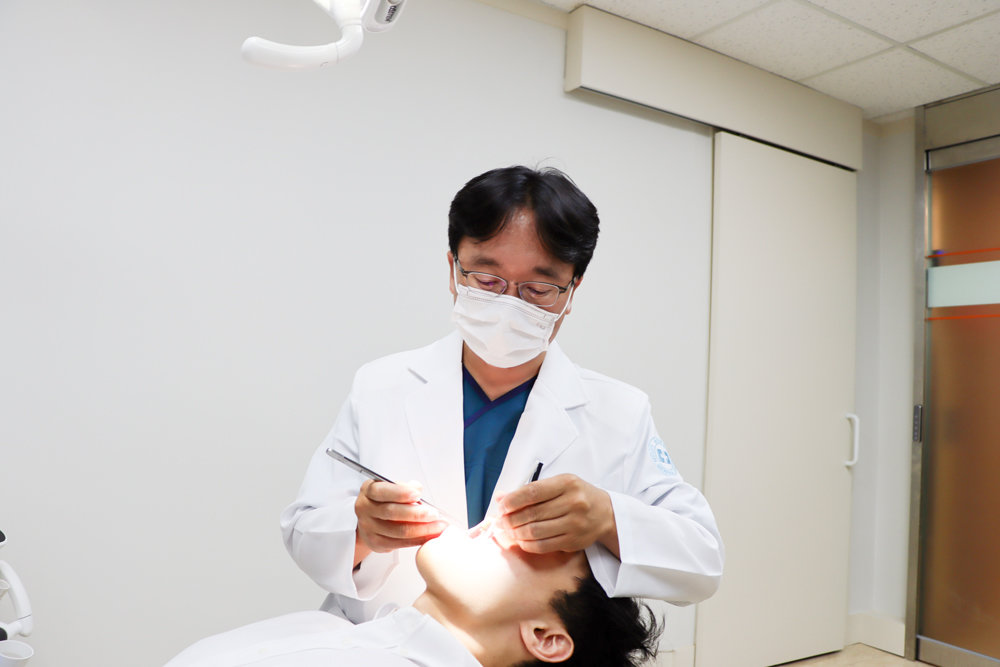
Dental implants for older adults depend on health, not age alone
Translated from Korean and summarized by DistantNews. Read the original for the full story.
At a glance
News
Named sources
Context piece
- Dental professionals say implant eligibility depends more on overall health, oral health and medications than on a patient’s age.
- Patients with diabetes, osteoporosis or blood-thinning medication may need individualized treatment planning.
- Bone grafting or other preliminary treatment may help patients whose jawbone has deteriorated after tooth loss or periodontal disease.
Older adults do not automatically lose the option of receiving dental implants simply because of their age, according to medical professionals in South Korea.
Before planning treatment, dentists should assess the patient’s general health, existing medical conditions and medications. Chronic illnesses such as diabetes need to be properly controlled. Patients taking osteoporosis drugs, anticoagulants or antiplatelet medication should provide their medical team with accurate information.
The type and purpose of osteoporosis medication, along with the patient’s overall health, can affect the treatment plan. Dentists must also examine the amount and condition of the alveolar bone that supports an implant. Long-term tooth loss or periodontal disease can reduce the available bone.
Implants are not decided by age alone.
Insufficient bone does not necessarily make an implant impossible. After evaluating the bone’s amount and shape and the condition of the gums, clinicians may recommend preliminary treatment such as a bone graft before placing the implant.
Oh Min-seok, a dental chief at Seran Hospital, said some older patients view implants as too burdensome because of their age. “Implants are not decided by age alone,” he said. “Doctors should determine whether treatment is possible and how extensive it should be based on the patient’s overall health and oral environment.” He advised people who have lost teeth not to delay a dental examination, because prolonged tooth loss can cause bone loss and movement or tilting of neighboring teeth.
Doctors should determine whether treatment is possible and how extensive it should be based on the patient’s overall health and oral environment.
About this summary
Originally published by Dong-A Ilbo in Korean. Translated, summarized, and contextualized automatically by DistantNews, with a note on how the source frames the story. Not individually reviewed before publishing. How this works.
More Stories


From Our Blog

What Gets Lost (and Found) When News Is Translated

The Critical Role of Diaspora Media in Global News

What Travellers Should Know About Countries with Restricted Press

A Digital Nomad's Guide to Following Local News

How the Same Story Looks Different in Different Countries
