


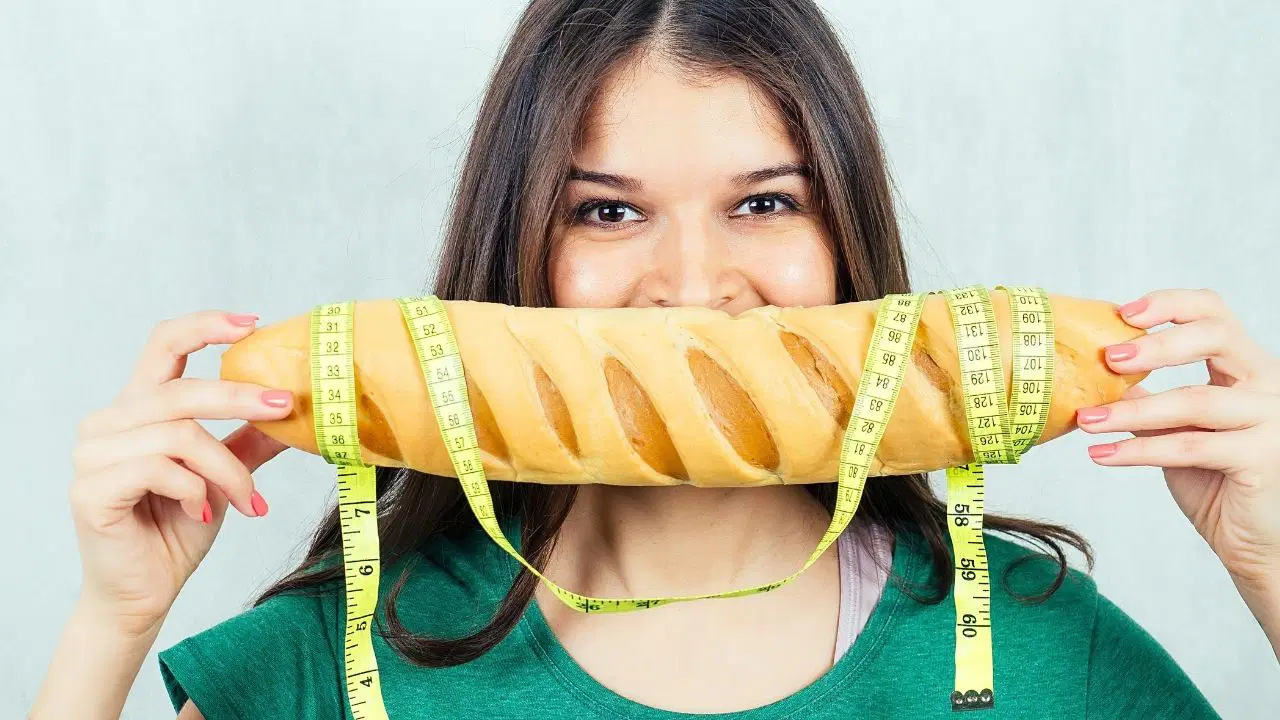
Dietitian: Don't cut out bread entirely for weight loss
Translated from Turkish, summarized and contextualized by DistantNews.
At a glance
News
Sources not specified
Context piece
- A dietitian warns against completely eliminating bread for weight loss, emphasizing balanced nutrition over extreme diets.
- Rapid weight loss diets and single-food approaches can harm metabolism and yield only temporary results.
- Sustainable weight loss requires regular meals, adequate protein, and sufficient water intake, alongside physical activity and quality sleep.
Completely cutting out bread to lose weight is a misguided approach that can harm your metabolism, according to dietitian Hale Aslantaş from Manisa Celal Bayar University's Hafsa Sultan Hospital. She stresses that sustainable weight loss comes from adopting proper eating habits, not from starving oneself.
Our body is not a mathematical formula; it's a biological system programmed for survival. Mistakes made in the pursuit of rapid weight loss may yield temporary results, but they negatively affect health and metabolism in the long run.
Aslantaş warns that fad diets and restrictive eating plans, often promoted on social media as miracle cures, ultimately lead to failure. These methods, along with relying solely on salads or unscientific weight-loss concoctions, damage the body's metabolic system. "Our body is not a mathematical formula; it's a biological system programmed for survival," she explained. "Mistakes made in the pursuit of rapid weight loss may yield temporary results, but they negatively affect health and metabolism in the long run."
She advocates for regular meals, highlighting that skipping breakfast and subsisting on coffee, only to overeat in the evening, is a major metabolic error. The focus should be on burning fat, not losing muscle mass. Protein sources like eggs, yogurt, cheese, fish, chicken, and legumes are crucial for preserving muscle and promoting satiety. A diet rich in vegetables, particularly those prepared with olive oil and seasonal salads, aids digestion and increases fullness due to their high fiber content.
Skipping breakfast and subsisting on coffee, only to overeat in the evening, is a major metabolic error.
Aslantaş also emphasizes the importance of hydration, noting that thirst is often mistaken for hunger. Drinking enough water supports metabolism and prevents unnecessary snacking. Beyond diet, she points to the benefits of incorporating small physical activities into daily life, such as using stairs instead of elevators, walking short distances, and taking regular evening strolls, which burn energy and reduce stress.
Thirst is often mistaken for hunger.
Finally, quality sleep and stress management are vital. Insufficient sleep and chronic stress disrupt weight control. Aslantaş recommends 7-9 hours of quality sleep per night, maintaining regular sleep schedules, and avoiding heavy meals, caffeine, and phone screens before bed. For sudden cravings, she suggests the "20-minute rule": pause, assess if it's true hunger or emotional eating, and consider a short walk, breathing exercises, or a chat with a friend to curb the desire.
Pause, assess if it's true hunger or emotional eating, and consider a short walk, breathing exercises, or a chat with a friend to curb the desire.
DistantNews Editorial
Originally published by Cumhuriyet in Turkish. Translated, summarized, and contextualized by our editorial team with added local perspective. Read our editorial standards.
More Stories


From Our Blog

What Gets Lost (and Found) When News Is Translated

The Critical Role of Diaspora Media in Global News

What Travellers Should Know About Countries with Restricted Press

A Digital Nomad's Guide to Following Local News

How the Same Story Looks Different in Different Countries
