

Difficult Cabinet Reshuffle: Is No One Willing to Be a Minister Anymore?
Translated from German, summarized and contextualized by DistantNews.
At a glance
Interview
Named sources
Ongoing story
- Chancellor Friedrich Merz faces difficulties forming a new cabinet, with potential ministers hesitant to accept positions.
- Concerns about required expertise and increased public scrutiny are cited as reasons for reluctance.
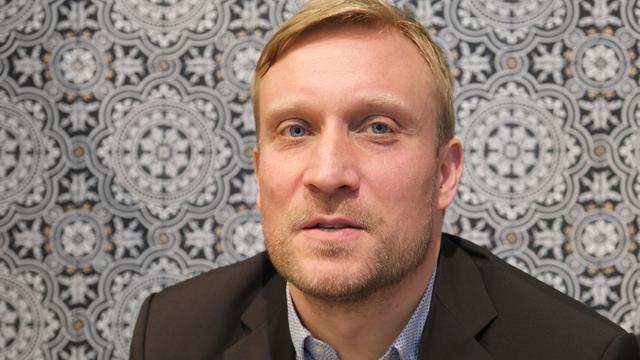
- Political scientist Benjamin Höhne discusses the necessary skills for ministers and the challenges of modern government roles.
Chancellor Friedrich Merz is encountering significant hurdles in his cabinet reshuffling, with reports suggesting a reluctance among potential candidates to accept ministerial posts. The process has become so challenging that it raises questions about whether fewer individuals are willing to serve in government.
A goalkeeper should not play on the left wing.
One notable instance involved CDU finance politician Fritz Güntzler, who reportedly accepted and then withdrew his candidacy for Federal Minister of Transport, citing a lack of specialized knowledge. This situation highlights a broader concern about the demanding nature of ministerial roles. Political scientist Benjamin Höhne explained that while personal expertise is beneficial, political and administrative skills, including negotiation and party backing, are more crucial for success.
Personal expertise is never wrong. However, it can never cover the entire range of topics in a ministry. Political and administrative skills are more important.
Höhne also addressed the perception of government appointments as mere 'job shuffling.' He defended the practice of selecting individuals from within a party's inner circle, emphasizing the importance of trust for effective collaboration within the federal government. However, he acknowledged that the increased pressure from social media and aggressive attacks, particularly from the far-right, have made the job less appealing.
The communication pressure, especially on social media, and the below-the-belt attacks, primarily from the far-right, have increased. Both certainly do not make this job more attractive.
Regarding the idea of an 'expert government' proposed by the BSW party, Höhne suggested it could be an option when traditional party-based government formation faces limitations. Nevertheless, he stressed that even experts must make political decisions and allocate scarce resources, a fundamental aspect of governance that cannot be avoided.
It can be an option in a situation where traditional government formation through parties reaches its limits.
DistantNews Editorial
Originally published by Die Zeit in German. Translated, summarized, and contextualized by our editorial team with added local perspective. Read our editorial standards.
More Stories

From Our Blog

What Gets Lost (and Found) When News Is Translated

How the Same Story Looks Different in Different Countries

The Critical Role of Diaspora Media in Global News

What Travellers Should Know About Countries with Restricted Press

A Digital Nomad's Guide to Following Local News
