


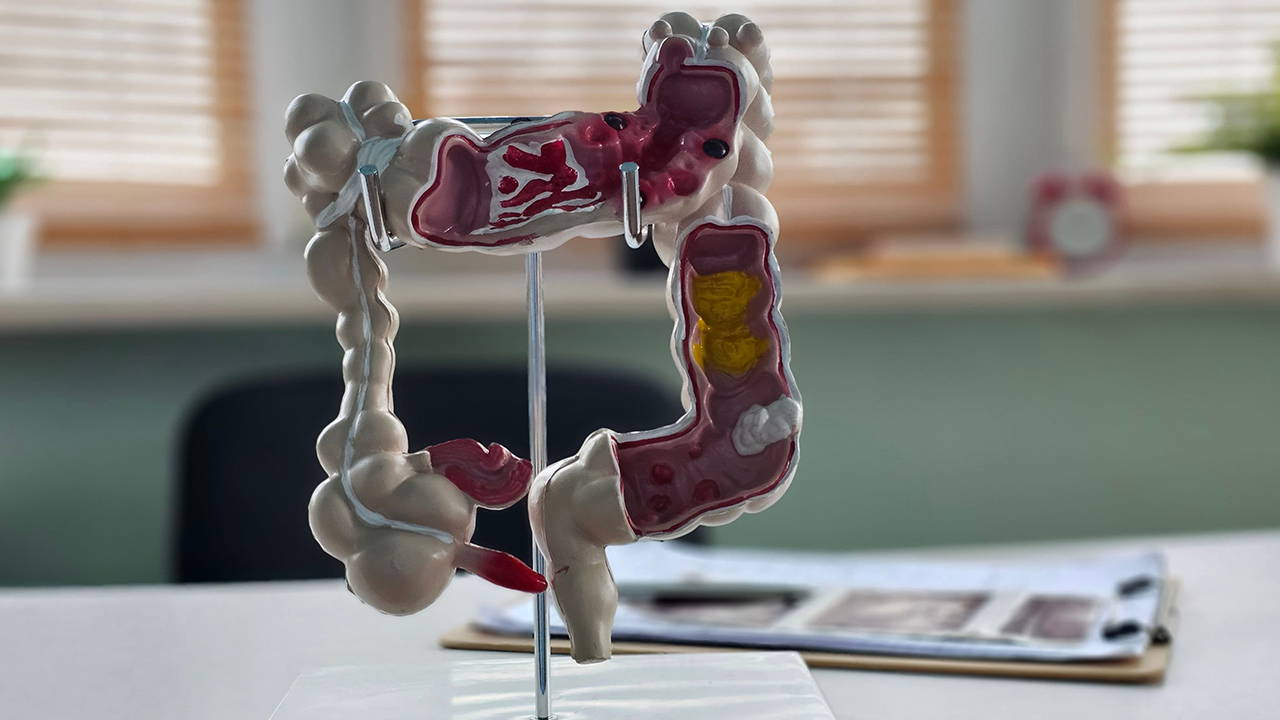
Digestive system cancers: 20-minute 'miracle treatment' EMR offers hope without surgery
Translated from Turkish, summarized and contextualized by DistantNews.
At a glance
News
Named sources
Context piece
- A new endoscopic treatment, Endoscopic Mucosal Resection (EMR), offers a 20-minute 'miracle cure' for early-stage digestive system cancers and polyps.
- EMR removes abnormal tissue from the digestive tract lining without surgery, typically taking 20-60 minutes.
- Patients often go home the same day, with minimal recovery time compared to traditional surgery, though risks like bleeding and perforation exist.
A groundbreaking endoscopic technique, known as Endoscopic Mucosal Resection (EMR), is providing a minimally invasive solution for early-stage digestive system cancers and polyps. Gastroenterology Specialist Assoc. Prof. Dr. Mehmet Önder Ekmen explained that EMR allows for the removal of abnormal tissue from the inner lining of the digestive system without the need for conventional surgery.
This method is generally applied in early-stage cancers and polyps.
This method is particularly effective for early-stage cancers and polyps, commonly used in cases of colon polyps, early-stage stomach cancer, and Barrett's esophagus. The primary goal is the complete eradication of diseased tissue at an early stage. The procedure involves inserting a thin, flexible tube called an endoscope through the mouth or anus to reach the affected area. Fluid is injected beneath the lesion to lift it, after which it is removed using a special wire loop.
The goal is the complete removal of the diseased tissue at an early stage.
EMR is classified as a minimally invasive procedure, meaning it does not involve incisions. This significantly reduces recovery time compared to traditional open surgery. Most procedures are completed within 20 to 60 minutes, depending on the size of the tissue to be removed. In many cases, patients are discharged on the same day, though short observation periods may be necessary in some instances.
It is a minimally invasive procedure performed without incisions. Therefore, the recovery period is shorter compared to classic surgery.
While EMR offers substantial benefits, including shorter hospital stays and faster recovery, it is not without risks. Potential complications include bleeding and, rarely, perforation of the intestinal wall. However, Dr. Ekmen noted that these risks are considerably low in experienced centers. The technique may not be suitable for advanced cancers or lesions that have spread deeply, where surgical intervention might still be required. Patients are advised to follow post-procedure dietary recommendations, take prescribed medications, and attend follow-up appointments to ensure optimal healing and early detection of any potential issues.
Most patients are discharged on the same day. However, short-term observation may be required in some cases.
DistantNews Editorial
Originally published by Cumhuriyet in Turkish. Translated, summarized, and contextualized by our editorial team with added local perspective. Read our editorial standards.
More Stories



From Our Blog

What Gets Lost (and Found) When News Is Translated

The Critical Role of Diaspora Media in Global News

What Travellers Should Know About Countries with Restricted Press

A Digital Nomad's Guide to Following Local News

How the Same Story Looks Different in Different Countries
