

Discoveries at your doorstep: Nature and mini-villages – why a trip to Wendland is worthwhile
Translated from German, summarized and contextualized by DistantNews.
At a glance
News
Named sources
Context piece
- The Hannoversche Wendland region in Lower Saxony is characterized by its low population density and natural landscapes.
- It encompasses the Göhrde forest, Höhbeck hill, and numerous small villages, including unique 'Rundling' settlements.
- The area is officially a nature park, focused on conservation, sustainable development, and tourism promotion.
The Hannoversche Wendland, one of Lower Saxony's least populated areas, offers a rich natural environment and unique cultural heritage. It boasts the Göhrde, the largest contiguous mixed forest in Northern Germany, and the historic Höhbeck, once home to a castle of Charlemagne. The landscape is dotted with heathlands, bird sanctuaries, lakes, rivers teeming with wildlife like beavers and eagles, and over 300 small villages, some featuring the distinctive 'Rundling' circular settlement pattern, a globally rare form of village structure.
This region has attracted many visitors over the decades, drawn by its natural beauty and, historically, by protests against the Gorleben nuclear facilities. Today, it serves as a destination for cycling, horseback riding, hiking, and paddling holidays, as well as the spring's "Kulturelle Landpartie" cultural festival. What many, even locals, may not realize is that the entire Wendland area functions as a single nature park, officially covering parts of the Lüchow-Dannenberg and Lüneburg districts. Established in 1968, the Naturpark Wendland.Elbe spans 116,000 hectares, with a strip along the Elbe River protected as a UNESCO Biosphere Reserve.
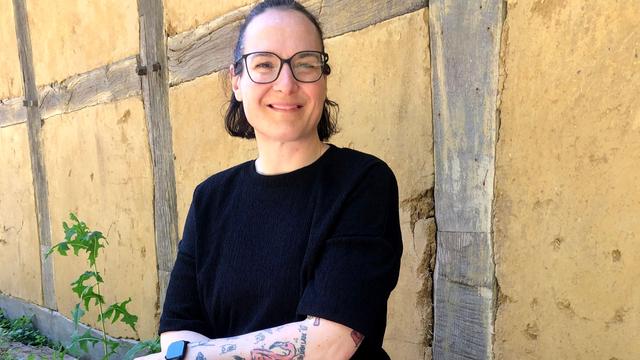
Johanna Mayrberger, a native of the region, has led the nature park as managing director since 2024. With a background in history and tourism, and experience in conservation work, she oversees the park's four core missions: nature and landscape conservation, education for sustainable development, tourism promotion, and regional development. Her team manages extensive trail networks, ensures proper signage, maintains rest areas, and addresses issues like littering. In coordination with local authorities, the park also implements conservation measures for endangered species, such as the pasqueflower.
You can engage with all four pillars, but you don't have to.
DistantNews Editorial
Originally published by Die Zeit in German. Translated, summarized, and contextualized by our editorial team with added local perspective. Read our editorial standards.
More Stories
From Our Blog

What Gets Lost (and Found) When News Is Translated

How the Same Story Looks Different in Different Countries

The Critical Role of Diaspora Media in Global News

What Travellers Should Know About Countries with Restricted Press

A Digital Nomad's Guide to Following Local News
