

Diversity March Causes Traffic Disruptions in Monterrey
Translated from Spanish, summarized and contextualized by DistantNews.
At a glance
News
Sources not specified
Context piece
- A Diversity March on Saturday caused traffic disruptions in Monterrey, Mexico.
- Road closures implemented by the Secretariat of Security and Citizen Protection affected circulation in the city center.
- Authorities recommended alternative routes for drivers navigating the affected areas.
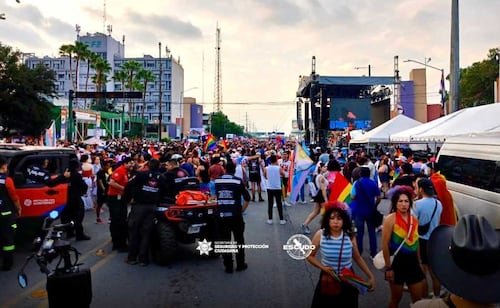
The annual Diversity March on Saturday led to significant traffic disruptions across Monterrey, Mexico, as authorities implemented road closures throughout the day. The Secretariat of Security and Citizen Protection coordinated the closures, which impacted circulation, particularly in the central areas of the city.
While the main gathering of participants was scheduled to begin at 5:00 PM near the General Anaya Metro station, road closures commenced hours earlier. This resulted in considerable traffic congestion on major avenues, including Guerrero, Colón, Ruiz Cortines, and Venustiano Carranza. Motorists reported slow-moving traffic, especially along Luis Mora, Alfonso Reyes, and Colón streets.
The march route was set to begin at 7:00 PM from the intersection of Alfonso Reyes and General Anaya in the Bellavista neighborhood. The procession was planned to proceed through avenues such as Pino Suárez, Juan Ignacio Ramón, Juárez, Ocampo, and Zuazua, culminating at the Explanada de los Héroes. City officials advised drivers to use Guerrero and Venustiano Carranza avenues as alternative routes, with traffic officers managing flow in designated bypasses.
This event highlights the logistical challenges associated with large public gatherings in urban centers. The city's response involved preemptive measures to manage traffic, aiming to minimize inconvenience for residents while ensuring the safety and smooth progression of the march. The recommended alternate routes provided guidance for commuters affected by the closures.
DistantNews Editorial
Originally published by El Universal in Spanish. Translated, summarized, and contextualized by our editorial team with added local perspective. Read our editorial standards.
More Stories

From Our Blog

What Press Freedom Means for the News You Read

What Gets Lost (and Found) When News Is Translated

The Critical Role of Diaspora Media in Global News

What Travellers Should Know About Countries with Restricted Press

A Digital Nomad's Guide to Following Local News
