


DIW raises German growth forecast, citing stronger exports and milder energy shock
Translated from German and summarized by DistantNews. Read the original for the full story.
At a glance
News
Named sources
New plan
- The German Institute for Economic Research raised its 2026 growth forecast to 1.2%, up from 0.5% in June.
- Stronger-than-expected foreign trade and a milder energy-price shock linked to the Iran war drove the revision, while public investment also supports growth.
- High gas prices, industrial problems and weak domestic demand continue to weigh on the outlook, with DIW forecasting growth of 1% in 2027 and 0.7% in 2028.
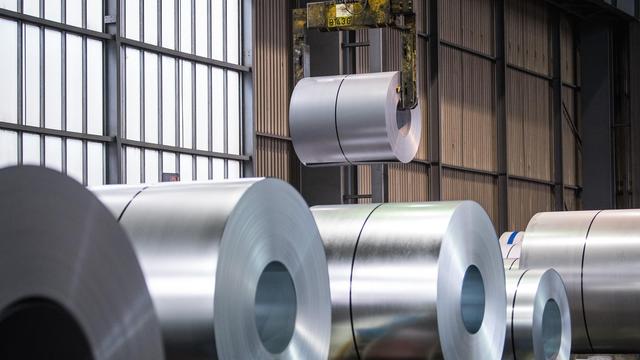
Germany’s economy has proved more resilient than expected, prompting the German Institute for Economic Research to more than double its forecast for 2026 growth to 1.2% from the 0.5% estimate it issued in June.
The DIW attributed the upgrade mainly to unexpectedly strong foreign trade in early summer and a smaller energy-price shock from the Iran war than economists had feared. Government investment, including spending from a special fund for climate protection and infrastructure and higher defense expenditure, is also supporting the economy.
The recovery, however, remains fragile. High gas prices, structural problems in industry and weak private domestic demand are limiting growth. The DIW said low water levels on important waterways were also hurting energy-intensive sectors such as chemicals and metals.
Geraldine Dany-Knedlik, the DIW’s head of economic forecasting, said the oil-price increase had been surprisingly moderate despite the Iran war, partly because strategic reserves had been released. She cautioned that both the temporary export support and the moderate oil-price rise were unlikely to last.
The institute expects growth of 1% in 2027 and 0.7% in 2028. DIW President Marcel Fratzscher said the economy’s current momentum was driven mainly by temporary factors. The institute added that the full effects of the energy shock could emerge with a delay, with high gas prices posing a particular risk over the winter.
The German economy has proved more resilient this year than expected in early summer, but it is still standing on somewhat shaky ground.
About this summary
Originally published by Die Zeit in German. Translated, summarized, and contextualized automatically by DistantNews, with a note on how the source frames the story. Not individually reviewed before publishing. How this works.
More Stories
From Our Blog

What Gets Lost (and Found) When News Is Translated

How the Same Story Looks Different in Different Countries

The Critical Role of Diaspora Media in Global News

What Travellers Should Know About Countries with Restricted Press

A Digital Nomad's Guide to Following Local News
