


DMI expands number of beaches in nationwide bathing water survey
Translated from Danish, summarized and contextualized by DistantNews.
At a glance
News
From a news agency
Context piece
- Denmark's Meteorological Institute (DMI) is expanding its nationwide bathing water quality monitoring to 54 locations this summer.
- The expansion includes the North Zealand coast for the first time, offering better real-time data on water temperatures.
- The initiative is a collaboration with TrygFonden and the North Zealand Lifesaving Service to provide daily updates during the summer season.
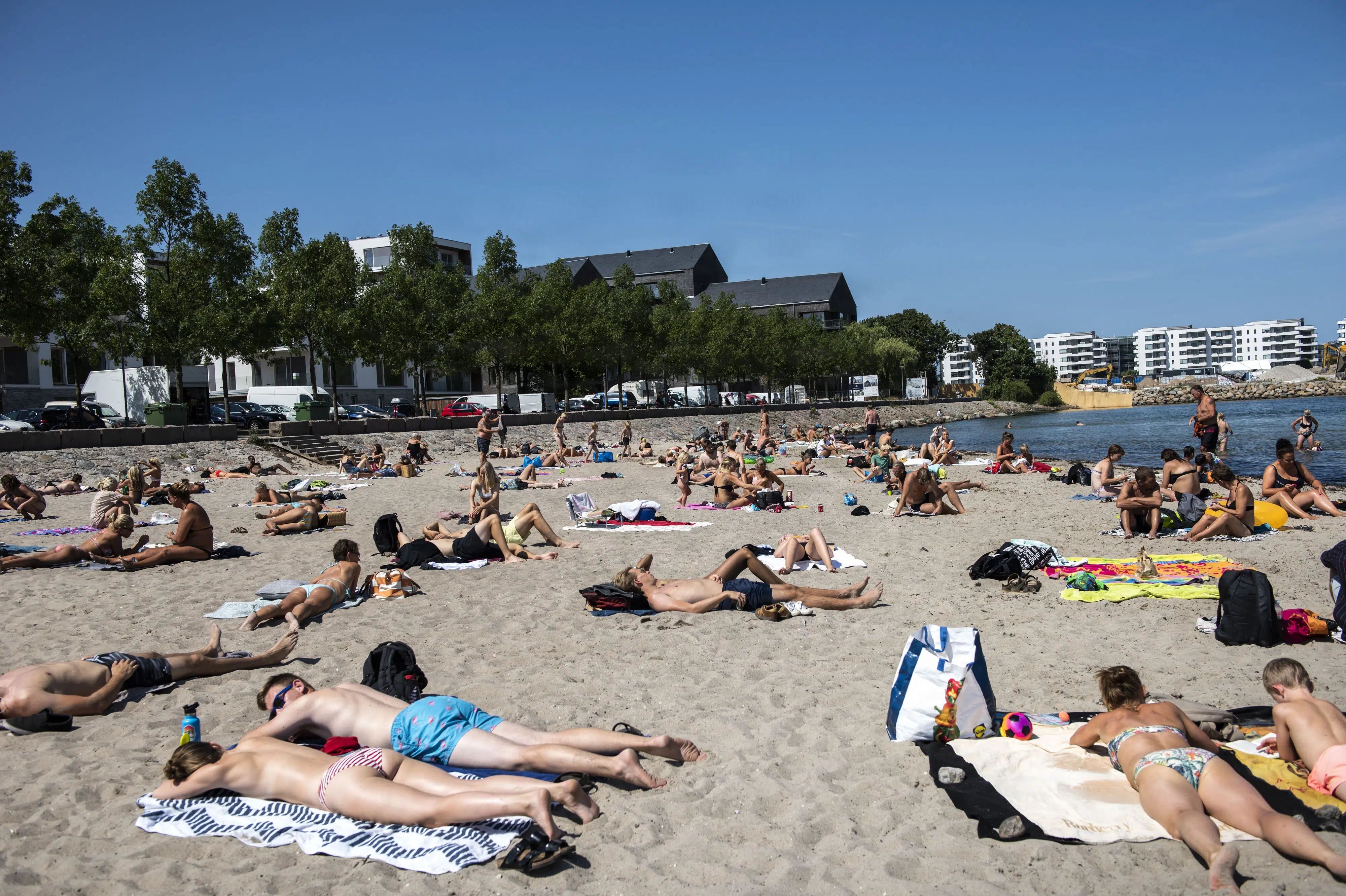
As a heatwave grips Denmark, more people are heading to the beaches for relief. To help them find the coolest spots, the Danish Meteorological Institute (DMI) is significantly expanding its bathing water quality monitoring program. This year, data will be available from 54 different locations across the country, a notable increase from previous years.
For the first time, the North Zealand coast is included in the DMI's overview, providing beachgoers with more comprehensive information. Daily updates on water temperatures will be posted on the DMI website starting at 10 a.m. throughout the summer season. Saturday marked the hottest day of the year so far, with temperatures exceeding 32 degrees Celsius in several areas, which is reflected in the bathing water.
Temperatures along the North Zealand coast are currently around 22 degrees Celsius, according to DMI's map. In contrast, along the Jutland west coast, Saturday's measurements showed bathing water temperatures ranging between 17 and 19 degrees Celsius. This expansion of monitoring stations is made possible through a partnership with TrygFonden and the North Zealand Lifesaving Service.
TrygFondens lifeguards will monitor 34 beaches from June 26 to August 19, while the North Zealand Lifesaving Service will measure temperatures at 20 beaches from June 27 to August 9. Water temperature is measured at a depth of one meter when the lifeguard towers open at 10 a.m.
DistantNews Editorial
Originally published by Berlingske in Danish. Translated, summarized, and contextualized by our editorial team with added local perspective. Read our editorial standards.
More Stories


From Our Blog

What Gets Lost (and Found) When News Is Translated

The Critical Role of Diaspora Media in Global News

What Travellers Should Know About Countries with Restricted Press

A Digital Nomad's Guide to Following Local News

How the Same Story Looks Different in Different Countries
