

Do we only appreciate art and creativity when it’s approved, asks advocate Usha Chandradas
Translated from English, summarized and contextualized by DistantNews.
At a glance
Opinion
Sources not specified
Context piece
- Arts advocate Usha Chandradas questions the speed at which public art is removed.
- She suggests that society's appreciation for art and creativity is often conditional on external approval.
- Chandradas advocates for a more thoughtful approach to managing public spaces and art installations.
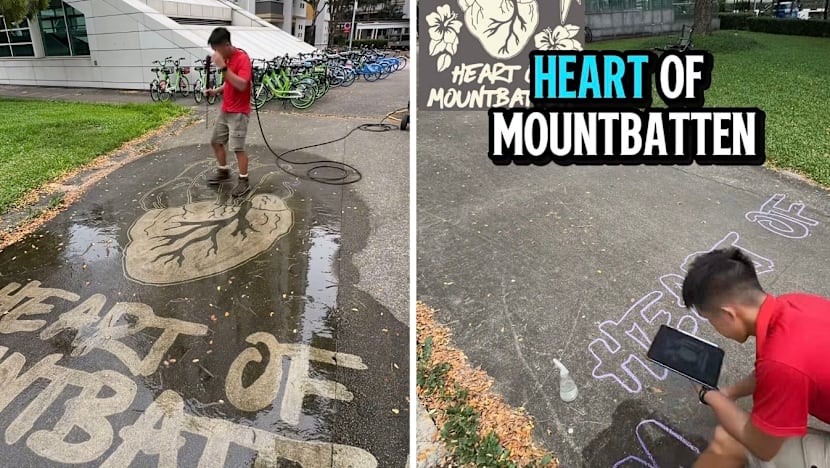
Arts advocate Usha Chandradas argues that society's appreciation for art and creativity is often conditional. She questions the swiftness with which public art is removed from spaces, suggesting this default action does not have to be the norm. Chandradas, a former Nominated Member of Parliament in Singapore, believes that while tensions regarding the use of public spaces are inevitable, a more considered approach is possible.
Her commentary highlights a broader societal tendency to value creative works only when they align with or receive approval from established norms or authorities. This perspective challenges the common practice of immediate removal when art installations or creative expressions in public areas spark controversy or deviate from expectations.
Do we only appreciate art and creativity when it’s approved?
Chandradas calls for a reevaluation of how public art and creative endeavors are managed. She implies that a more nuanced and less reactive process could foster a greater appreciation for art and creativity, even when it challenges conventional views or aesthetics. The focus shifts from immediate removal to a more deliberative engagement with public art.
While tension is inevitable when it comes to how public spaces are used, the speed with which we default to removal does not have to be.
DistantNews Editorial
Originally published by CNA in English. Translated, summarized, and contextualized by our editorial team with added local perspective. Read our editorial standards.
More Stories

From Our Blog

What Gets Lost (and Found) When News Is Translated

The Critical Role of Diaspora Media in Global News

What Travellers Should Know About Countries with Restricted Press

A Digital Nomad's Guide to Following Local News

How the Same Story Looks Different in Different Countries
