


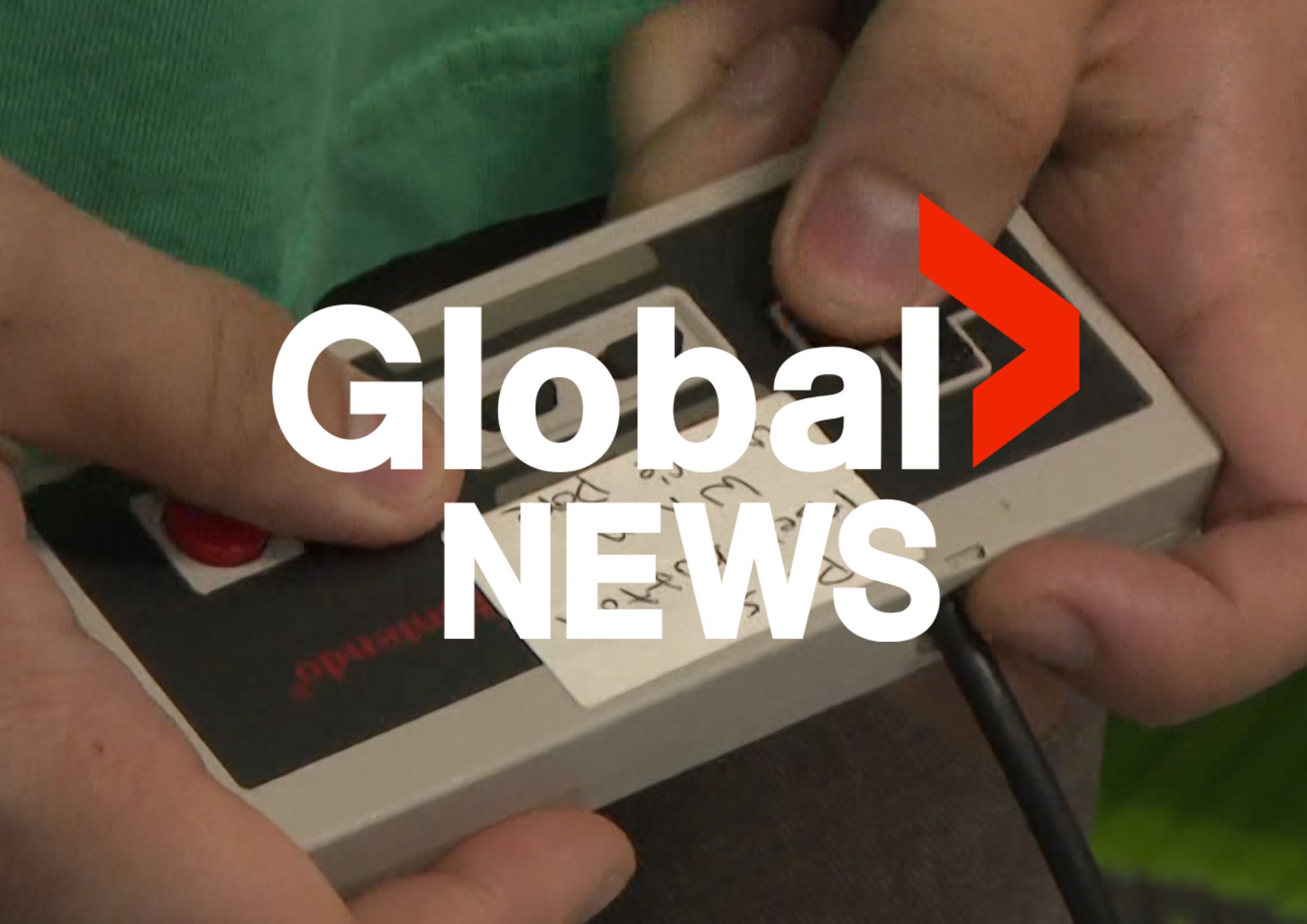
Do you truly own your video games? Experts discuss Sony's shift away from physical copies
Translated from English, summarized and contextualized by DistantNews.
At a glance
News
Named sources
Context piece
- Sony's decision to stop selling physical PlayStation games is sparking debate about digital ownership.
- Gamers and experts question whether buying digital games equates to true ownership or just a license.
- While some retailers see challenges, retro game stores report a boost in interest for physical media.
Sony's move away from selling physical PlayStation games has ignited a debate among gamers and experts about the true nature of digital ownership. For decades, purchasing a video game meant owning it outright – allowing for lending, trading, or reselling. However, with digital downloads, these options disappear.
When you buy a digital video game, you’re not actually buying a game. You’re purchasing a licence tied to your account, and that licence can’t be transferred or sold.
Sean Sterling, owner of Retro Realm in Kelowna, B.C., explains that buying a digital game is essentially purchasing a license tied to an account, which cannot be transferred or sold. "What do you really own? Do you actually, in fact, own, or are you just leasing licences?" he questioned, highlighting the core issue for many consumers.
What do you really own? Do you actually, in fact, own, or are you just leasing licences?
While Sony is not the first company to adopt this model, its decision is expected to influence the rest of the gaming industry. Sterling anticipates other companies will follow suit, calling it "a real shame." This shift presents challenges for retailers reliant on new game sales, forcing them to make "hard decisions in the near future."
All the other companies are watching this to see what the reaction is going to be, and they will likely follow suit. It’s a real shame.
Conversely, retro game stores like Sterling's are experiencing a surge in interest for physical media. "The recent announcement has really pushed people back into the stores again. I’m seeing prices going back up as people flock to this stuff," Sterling noted. Collectors are rediscovering the value of owning a complete game, free from potential updates, and he believes "you should be mad, if owning something is a metric that matters in your life."
There are some video game sellers who have made their model around selling new product, and they will have some hard decisions to make in the near future.
DistantNews Editorial
Originally published by Global News in English. Translated, summarized, and contextualized by our editorial team with added local perspective. Read our editorial standards.
More Stories
From Our Blog

What Gets Lost (and Found) When News Is Translated

The Critical Role of Diaspora Media in Global News

What Travellers Should Know About Countries with Restricted Press

A Digital Nomad's Guide to Following Local News

How the Same Story Looks Different in Different Countries
