

Doctor warns of 'terrifying' barbecue restaurant stools after five finger amputation cases
Translated from Korean, summarized and contextualized by DistantNews.
At a glance
News
Sources not specified
Context piece
- A doctor warned about the danger of cylindrical storage stools, commonly used in Korean barbecue restaurants, after seeing five patients with severed fingers.
- The stools, used for storing clothes and bags, have a gap between the lid and the body where fingers can get caught.
- The doctor emphasized that such accidents can lead to lengthy reconstructive surgery and severe aftereffects.
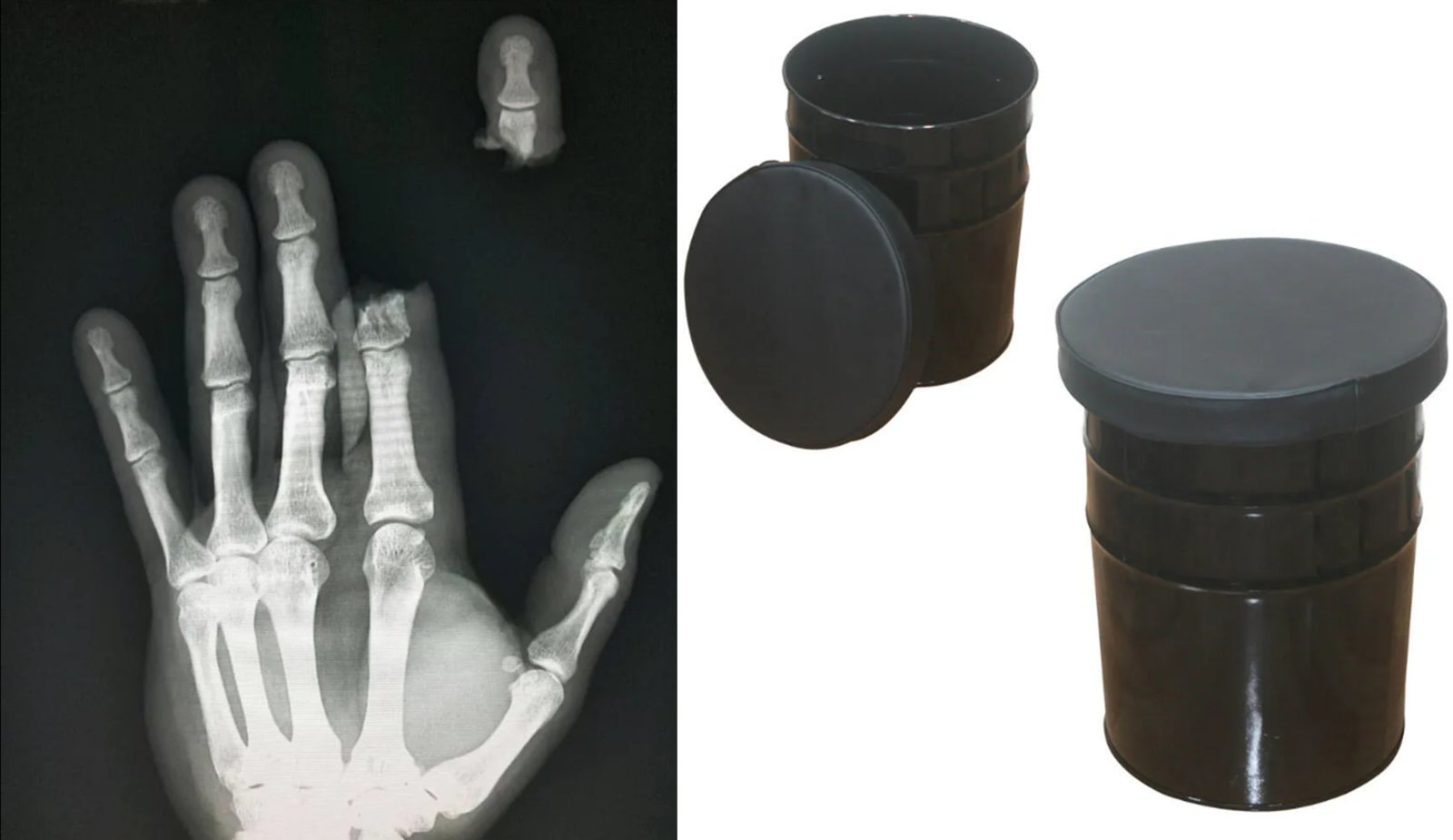
A doctor has issued a stark warning about the potential for serious injury from seemingly innocuous cylindrical storage stools, often found in Korean barbecue restaurants. Dr. Lee Ho-hyung of Hanyang University Hospital revealed he has treated five patients who suffered severed fingers after getting them caught in the gap between the stool's lid and body.
Strictly speaking, it's not furniture, but these stools, commonly seen in meat and tripe restaurants, are very frightening.
Dr. Lee, who specializes in reconstructive surgery for trauma and amputations, described the "can" or "bucket" stools as "very scary." He explained that if a person inadvertently sits down with their fingers trapped in the gap, it can lead to amputation. The stools are commonly used in restaurants to store patrons' clothes and bags, helping to prevent them from absorbing cooking odors.
If you inadvertently sit down with your fingers caught in the gap, your fingers can be severed.
"Strictly speaking, it's not furniture, but these stools, commonly seen in meat and tripe restaurants, are very frightening," Dr. Lee stated on his social media. He detailed that the accidents involving these stools are not only difficult to treat with lengthy reconstructive surgeries but also leave severe long-term consequences for the victims.
I have personally seen five patients with severed fingers.
The doctor urged the public to exercise caution, highlighting that these common restaurant fixtures pose a significant risk. The specific design, with a narrow gap between the lid and the main body, creates a dangerous pinch point. Dr. Lee's firsthand experience with multiple patients underscores the severity of the issue, prompting a call for greater awareness and potentially design changes or warnings in establishments that use them.
Such accidents require long surgical procedures for reattachment and leave severe aftereffects.
DistantNews Editorial
Originally published by Dong-A Ilbo in Korean. Translated, summarized, and contextualized by our editorial team with added local perspective. Read our editorial standards.
More Stories


From Our Blog

What Gets Lost (and Found) When News Is Translated

The Critical Role of Diaspora Media in Global News

What Travellers Should Know About Countries with Restricted Press

A Digital Nomad's Guide to Following Local News

How the Same Story Looks Different in Different Countries
