


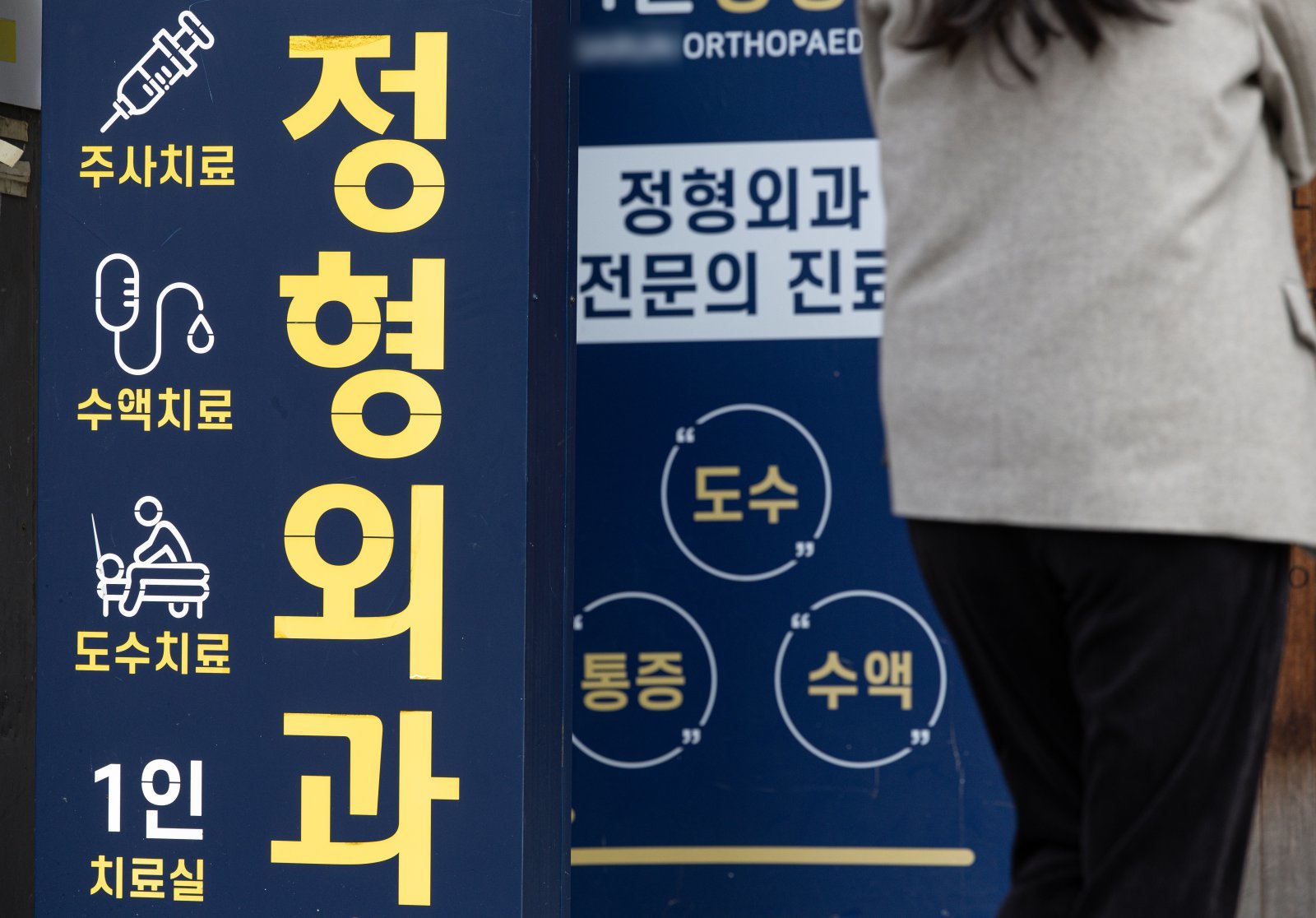
Doctors protest government's manual therapy cost controls
Translated from Korean, summarized and contextualized by DistantNews.
At a glance
News
Sources not specified
New plan
- South Korean medical groups are protesting a government plan to introduce a managed care system for manual therapy.
- They argue the proposed fee of 43,850 won per session and a limit of 15 sessions per year are unrealistic and do not reflect actual medical costs.
- The groups are demanding the policy be withdrawn and reconsidered through discussion with medical professionals.
Medical professionals in South Korea are raising strong objections to the government's proposed managed care system for manual therapy, arguing it fails to account for the realities of healthcare costs and patient needs. The Korean Medical Association's Special Committee for National Health Insurance Countermeasures announced it would hold a rally on November 28th to protest the plan, which they claim infringes upon patients' right to treatment and physicians' professional judgment.
The managed care system, starting with the control of manual therapy, is not just a simple revision of the benefit system but a critical issue that directly affects the public's choice of treatment and the professional judgment of medical professionals.
The core of the opposition lies in the government's proposed fee of 43,850 won per session and an annual limit of 15 sessions. Medical societies, including those for orthopedic surgery, neurosurgery, anesthesiology, and rehabilitation medicine, argue that current costs in the Seoul metropolitan area range from 100,000 to 150,000 won per session, reflecting expenses for personnel, facility operation, and specialized training. They contend that the government's proposed fee is insufficient to provide adequate medical services.
The proposed fee of 43,850 won per session and the annual limit of 15 sessions do not reflect reality.
Furthermore, the annual limit of 15 sessions is criticized as a "uniform regulation" that disregards individual patient conditions and treatment necessities. The Korean Association of Thoracic and Cardiovascular Surgeons emphasized that decisions on manual therapy, including its necessity and frequency, should be based on medical assessments of a patient's condition, pain level, and response to treatment, rather than arbitrary administrative standards. They expressed concern that the policy, driven by the goal of stabilizing private health insurance finances, could restrict patients' treatment options and physicians' clinical autonomy.
The current cost in the Seoul metropolitan area is formed at the level of 100,000 to 150,000 won per session, reflecting personnel costs, facility operating costs, and specialized training costs.
The Ministry of Health and Welfare has initiated the administrative process for the managed care system, with the proposed fee set at 43,850 won per session and a limit of 15 sessions annually, or 24 sessions in cases requiring post-surgery or fracture rehabilitation. Coverage will only be provided after a minimum of two weeks and four sessions of basic physical or rehabilitation therapy without symptom improvement. The ministry is currently gathering public opinions during the administrative notice period, with the new system slated to take effect next month.
The annual limit of 15 sessions is a uniform regulation that does not reflect the patient's individual condition and treatment needs.
DistantNews Editorial
Originally published by Dong-A Ilbo in Korean. Translated, summarized, and contextualized by our editorial team with added local perspective. Read our editorial standards.
More Stories


From Our Blog

What Gets Lost (and Found) When News Is Translated

The Critical Role of Diaspora Media in Global News

What Travellers Should Know About Countries with Restricted Press

A Digital Nomad's Guide to Following Local News

How the Same Story Looks Different in Different Countries
