

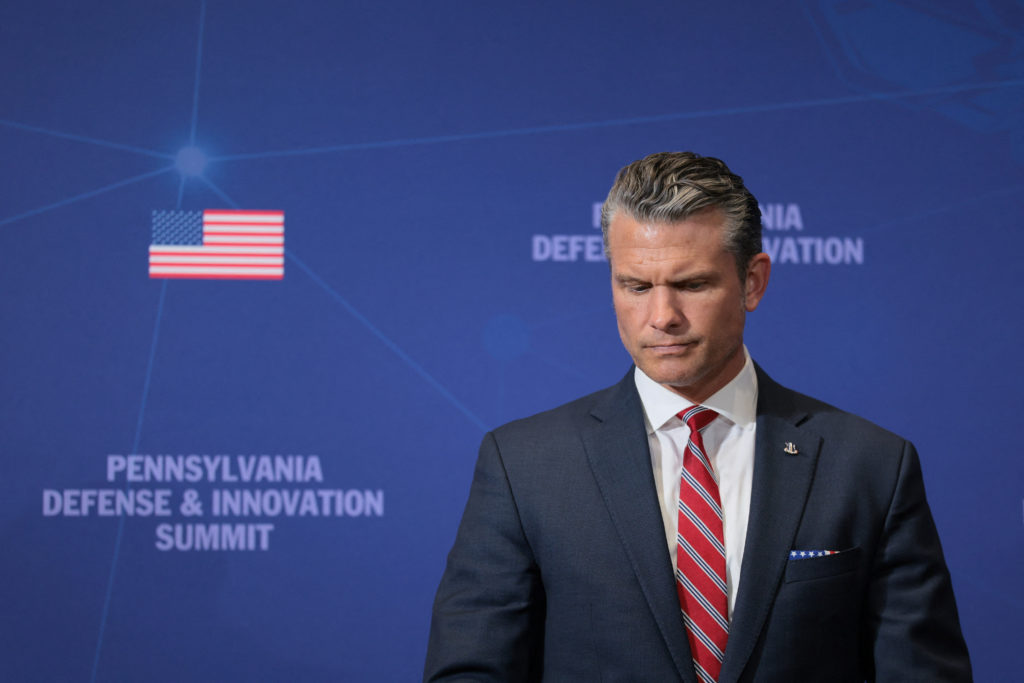

Doctors question plan to screen military members for low testosterone
Summarized and contextualized by DistantNews.
At a glance
News
Named sources
New plan
- U.S. service members over 30 will be screened annually for low testosterone, according to Defense Secretary Pete Hegseth.
- Doctors are skeptical, citing recommendations against general screenings from major medical organizations like The Endocrine Society and the American College of Physicians.
- Experts state that normal testosterone levels do not enhance performance and that fluctuations can be caused by lifestyle factors, with levels naturally rebounding.
A new U.S. military policy mandating annual screening for low testosterone in service members over 30 is facing skepticism from medical professionals. Defense Secretary Pete Hegseth announced the plan, stating it aims to ensure service members "have the right testosterone levels to operate at your absolute best." Younger members will have the option to be tested, and those with low levels may receive testosterone replacement therapy.
Hegseth has frequently linked physical standards and masculinity to combat readiness. However, the policy's implications for female service members remain unclear, and other details have not yet been announced. The program is also expected to be costly to implement.
Testosterone in the normal range is not a performance drug. For a man whose level is genuinely low, replacement can help libido and mood a little. It has not been shown to sharpen thinking, fix fatigue, or make a healthy 30-year-old a better soldier.
Doctors and medical organizations, including The Endocrine Society and the American College of Physicians, recommend against general screenings for testosterone. They note that levels can fluctuate based on age, lifestyle, and time of day. "Testosterone in the normal range is not a performance drug," said Dr. Céline Gounder, CBS News medical correspondent. She added that for men with genuinely low levels, replacement therapy can help with libido and mood but has not been shown to improve cognitive function, combat fatigue, or enhance the performance of healthy individuals.
Dr. Marcus Goncalves, director of Endocrinology at NYU Langone Health, explained that testosterone levels within the normal range (270 to 900-plus) do not correlate with masculinity. He also pointed out that stress, poor sleep, and overexertion, which can be common for service members, can cause temporary decreases in testosterone. These levels typically rebound naturally when the contributing factors are removed, and research has not shown a link between normal testosterone levels and increased strength or capability.
The normal range is from 270 to 900-plus. Putting people on that scale has no link to how masculine they are or feel or look. Somebody could be normal at 350, somebody could be normal at 650.
DistantNews Editorial
Originally published by CBS News. Summarized and contextualized by our editorial team with added local perspective. Read our editorial standards.
More Stories


From Our Blog

How the Same Story Looks Different in Different Countries

What Gets Lost (and Found) When News Is Translated

The Critical Role of Diaspora Media in Global News

What Travellers Should Know About Countries with Restricted Press

A Digital Nomad's Guide to Following Local News
