

Doctors warn of fatal malaria risk from Africa in returning Vietnamese workers
Translated from Vietnamese, summarized and contextualized by DistantNews.
At a glance
News
Named sources
Outcome reported
- Two Vietnamese men who worked in Africa have been diagnosed with Plasmodium falciparum malaria, a dangerous strain that can be fatal if untreated.
- Both patients experienced recurrent fevers and symptoms consistent with malaria while working abroad and upon returning to Vietnam.
- Doctors warn that timely diagnosis and treatment are crucial for preventing severe complications and death from this type of malaria.
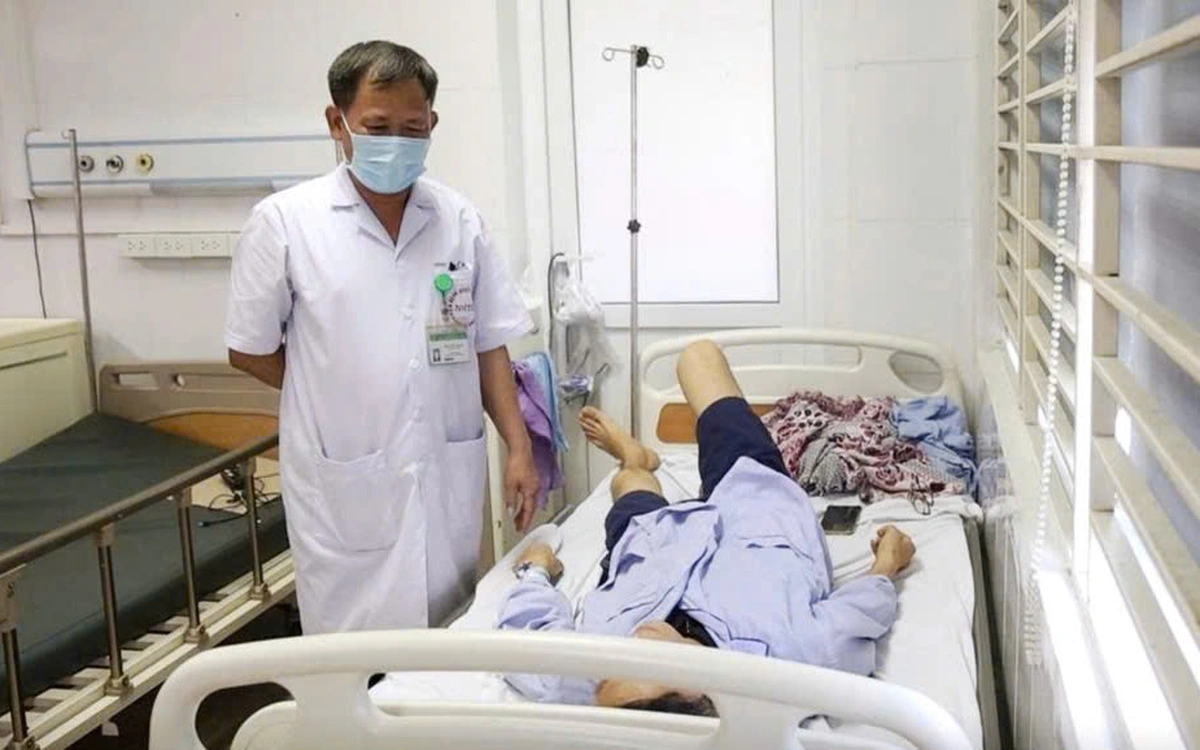
Doctors at the National Hospital for Tropical Diseases are treating two Vietnamese men diagnosed with Plasmodium falciparum malaria, a severe form of the disease with a high risk of complications and death if not promptly managed. Both patients had a history of working in African countries where malaria is endemic.
The first patient, a 36-year-old man from Thanh Hóa province, worked in Congo. During his time there, particularly in the rainy season, he suffered multiple malaria episodes, sometimes 1-3 times per month. He received only symptomatic treatment, such as IV fluids, before returning to work. Concerned about his deteriorating health, he returned to Vietnam for proper treatment. About two weeks after arriving home, he developed a high fever (nearly 40°C), chills, headache, nausea, dizziness, and prolonged fatigue, prompting his family to seek medical attention.
The second case involves a 45-year-old man from Tuyên Quang province who worked as a laborer in Angola. He had contracted malaria while abroad but had not received complete treatment. Two months after returning to Vietnam, he experienced another fever and self-medicated with leftover medication from Angola until symptoms subsided. A week before hospitalization, he developed a severe fever reaching 40.2°C with intense chills, feeling cold despite multiple blankets. Each fever episode lasted about three hours and occurred twice daily. Local tests confirmed he was positive for Plasmodium falciparum.
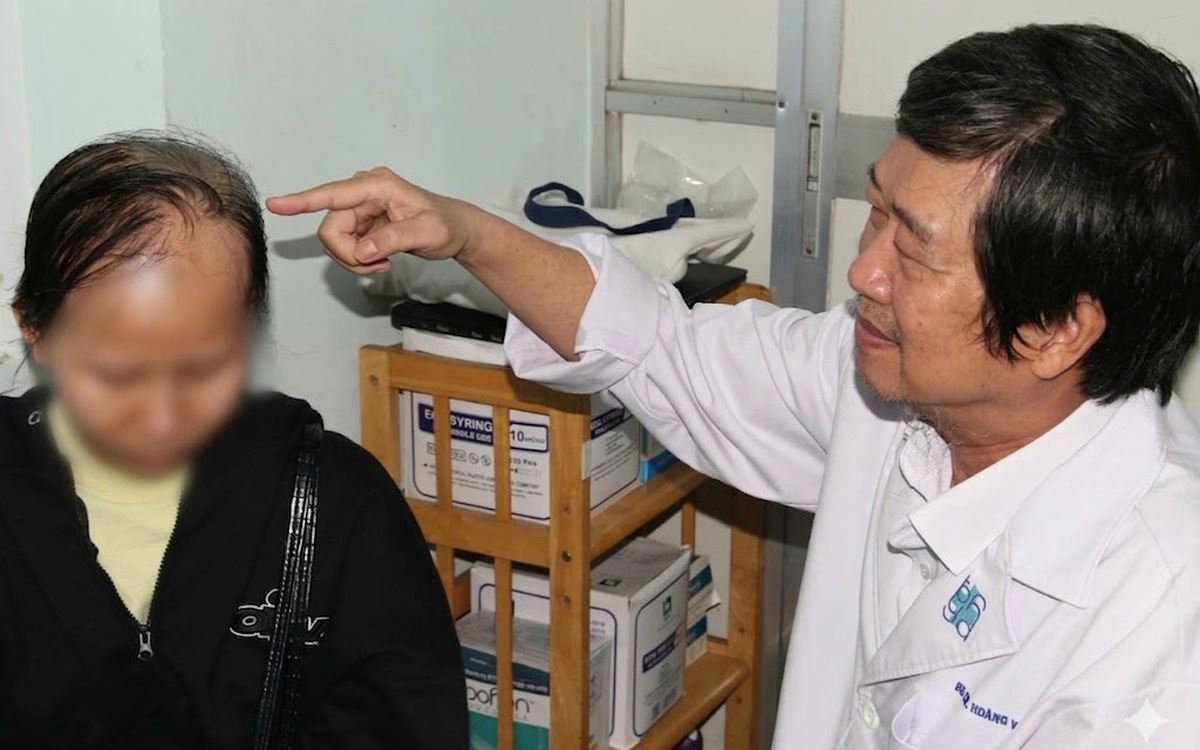
Dr. Trần Duy Hưng, head of the Virology and Parasitology Department at the hospital, stated that both patients presented with high fevers, chills, headaches, and body aches, with a history of living and working in African nations. Blood tests confirmed infection with Plasmodium falciparum, the most common malaria parasite and a cause of severe illness. "If not treated promptly, patients face the risk of severe disease, multi-organ failure, and death," Dr. Hưng emphasized.
Following intensive treatment with specific antimalarial medications, both patients responded well. Their fevers are controlled, their health is stable, and they remain under observation. Dr. Hưng advises individuals experiencing acute fever symptoms after returning from abroad, especially from African countries, to seek immediate specialized medical care for prompt diagnosis, which is critical for effective treatment and reducing the risk of severe complications. He also recommends that those planning to travel to malaria-endemic areas should research risks, practice mosquito bite prevention, and consult healthcare professionals for prophylactic medication if necessary.
This is the most common malaria parasite and also the cause of many severe cases. If not treated promptly, patients face the risk of severe disease, multi-organ failure, and death.
DistantNews Editorial
Originally published by Tuổi Trẻ in Vietnamese. Translated, summarized, and contextualized by our editorial team with added local perspective. Read our editorial standards.
More Stories


From Our Blog

What Gets Lost (and Found) When News Is Translated

The Critical Role of Diaspora Media in Global News

What Travellers Should Know About Countries with Restricted Press

A Digital Nomad's Guide to Following Local News

How the Same Story Looks Different in Different Countries
