

Dogs help reduce stress for pediatric patients in Mexican hospitals
Translated from Spanish, summarized and contextualized by DistantNews.
At a glance
News
Official statement
Context piece
- Nearly 2,763 pediatric patients in Mexico have benefited from dog-assisted therapy to reduce hospital stress and improve emotional well-being.
- The "Jueves de Perritos" program, running since April last year, uses carefully selected and trained dogs to provide safe and controlled interventions.
- These therapies complement medical treatments, helping to decrease patient anxiety, facilitate procedures, and improve overall hospital experiences.
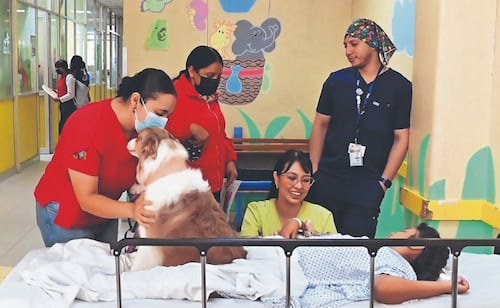
A unique initiative in Mexico is bringing wagging tails and unconditional comfort to pediatric patients, significantly reducing hospital-related stress. The "Jueves de Perritos" (Puppy Thursdays) program, launched in April last year by the Health Secretariat (Ssa) and the Center for Canine-Assisted Activities and Therapies (Cenatac), has already provided canine-assisted therapy to nearly 2,763 young patients.
In patients, their stress and anxiety decrease when they see something they like and is not common in a hospital setting, allowing procedures to be performed more easily and making the hospitalization experience less complicated.
Implemented at the National Institute of Pediatrics, the program utilizes dogs that are meticulously selected and trained to ensure safe, reliable, and controlled interventions. Adriana Barrientos Deloya, the program's lead, emphasizes that these therapies are not a substitute for medical care but serve as crucial complementary tools. They are designed to bolster patients' emotional state, enhance mental health, and make various hospital procedures less daunting.
"Patients experience a decrease in stress and anxiety when they see something they like and is not common in a hospital setting," Deloya explained. "This allows procedures to be performed more easily and makes the hospitalization experience less complicated." The program has shown positive impacts on patients' moods, anxiety levels, and rehabilitation, even motivating them to eat, walk, and engage in therapeutic activities. The dogs also participate in early stimulation workshops, acting as emotional and motivational stimuli for motor skill development.
The fact that a child smiles, wants to eat, walk, or loses fear of their hospital stay thanks to the presence of dogs, directly impacts their overall well-being and even favors adherence to treatments.
Vanessa Carolina Pallares Trujillo, director of Cenatac, assured that the canine therapies adhere to strict hygiene and sanitary protocols, including vaccination and deworming. The program has become a highly anticipated event for both patients and medical staff, with around five dogs visiting the institute every Thursday from 9 a.m. to 1 p.m. The benefits extend to hospital staff, helping to alleviate stress associated with their demanding work.
The dogs also help health personnel. From security guards and cleaning staff to doctors and residents, everyone can benefit from these interventions, as they help reduce stress related to hospital shifts.
DistantNews Editorial
Originally published by El Universal in Spanish. Translated, summarized, and contextualized by our editorial team with added local perspective. Read our editorial standards.
More Stories



From Our Blog

What Press Freedom Means for the News You Read

What Gets Lost (and Found) When News Is Translated

The Critical Role of Diaspora Media in Global News

What Travellers Should Know About Countries with Restricted Press

A Digital Nomad's Guide to Following Local News
