

Dollar firms as Gulf tensions, oil surge fuel Fed hike bets
Translated from English, summarized and contextualized by DistantNews.
At a glance
News
Named sources
Context piece
- The U.S. dollar held firm as renewed Middle East tensions and surging oil prices fueled safe-haven bids and increased bets on Federal Reserve rate hikes.
- Oil prices jumped after U.S. military strikes on Iran, raising concerns about inflation and potentially accelerating the timing of Fed rate increases.
- The Japanese yen weakened against the dollar, nearing a 40-year low, as rising oil prices exacerbated inflation worries and the Fed signaled a hawkish stance.
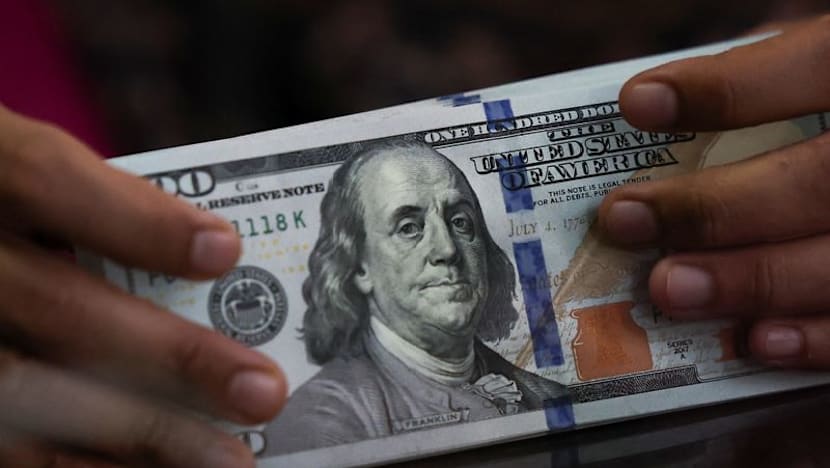
The U.S. dollar maintained its strength against major currencies on Thursday, buoyed by escalating tensions in the Middle East and expectations of further interest rate hikes by the Federal Reserve. Renewed conflict in the Gulf region prompted investors to seek the safety of the dollar, while a sharp rise in oil prices intensified concerns about inflation.
A flare-up of Middle East tensions has rattled global markets again and jammed a war risk premium back into asset prices.
Oil prices surged following U.S. military strikes on Iran, with Brent crude futures climbing significantly. This development has led analysts to predict that higher energy costs could accelerate the Federal Reserve's timeline for raising interest rates. The minutes from the June FOMC meeting also indicated a hawkish split among policymakers, driven by mounting inflation concerns, increasing the market's probability of a rate hike this year to approximately 87%.
A jump in oil prices could bring forward the timing of a Fed hike.
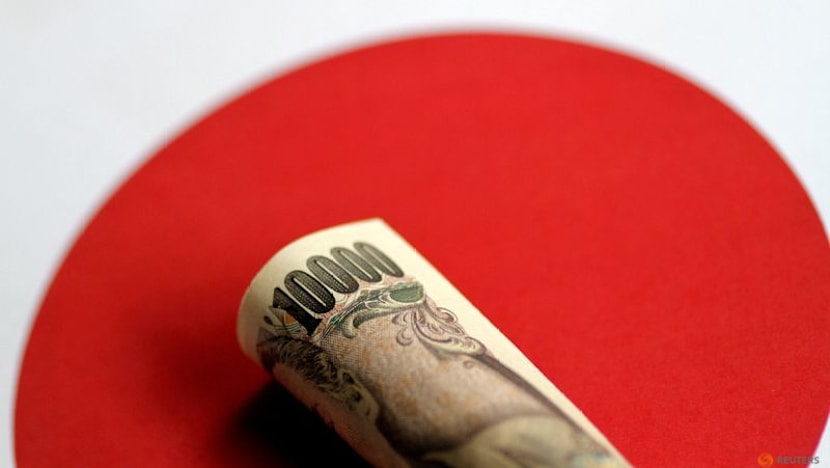
The Japanese yen continued its downward trend, trading near a 40-year low against the dollar. While a brief, unexplained rebound last week was suspected to be the result of stealth intervention by Japanese authorities, the yen's struggle persists. Analysts suggest that the currency's future trajectory will depend on incoming U.S. economic data and developments in the Japanese government bond market. The U.S. dollar index, measuring its value against a basket of six major currencies, remained largely unchanged.
Whether it becomes a more meaningful medium-term high will ultimately depend on incoming U.S. data and, to some degree, developments in the Japanese government bond market.
DistantNews Editorial
Originally published by CNA in English. Translated, summarized, and contextualized by our editorial team with added local perspective. Read our editorial standards.
More Stories



From Our Blog

What Gets Lost (and Found) When News Is Translated

The Critical Role of Diaspora Media in Global News

What Travellers Should Know About Countries with Restricted Press

A Digital Nomad's Guide to Following Local News

How the Same Story Looks Different in Different Countries
