

Dollar Rises on Iran Sanctions; Loonie Drops After U.S. Tariff Hikes
Translated from English, summarized and contextualized by DistantNews.
At a glance
News
Sources not specified
Context piece
- The U.S. dollar strengthened on Monday following new sanctions on Iran and increased tariffs on Canadian goods.
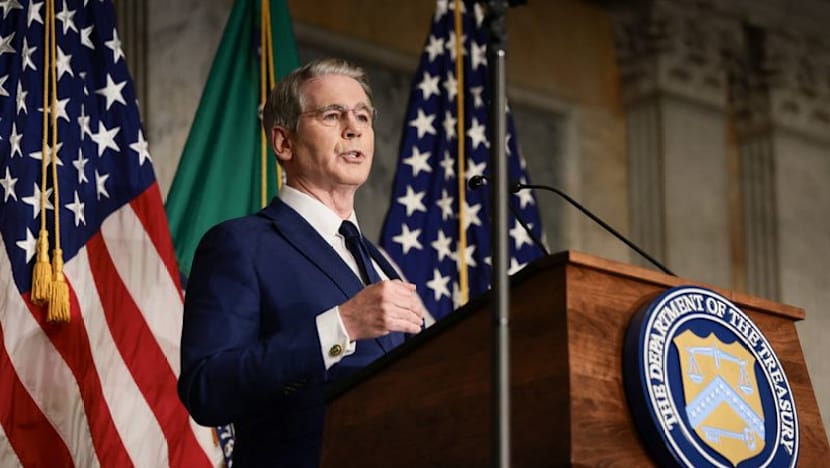
- Treasury Secretary Scott Bessent announced expanded sanctions on Iran, aiming to cut off its economic lifelines.
- The Canadian dollar weakened significantly against the U.S. dollar after Washington imposed 50% tariffs on Canadian goods, with Canada vowing retaliation.
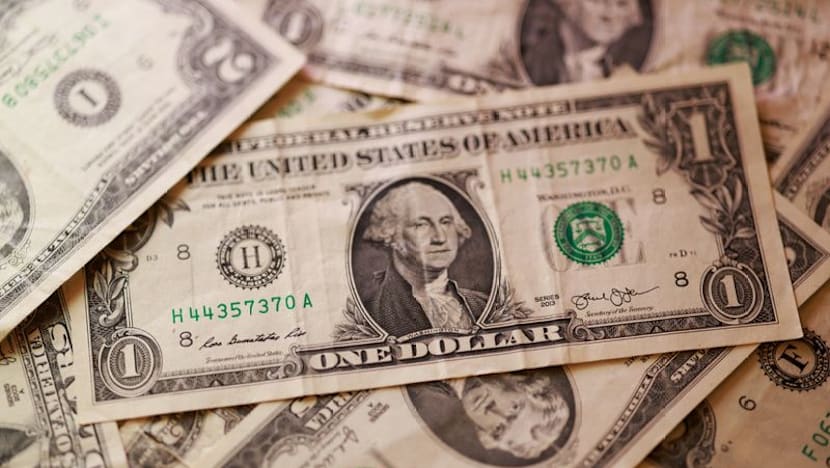
The U.S. dollar advanced on Monday, reversing a recent trend of weekly declines, after the Trump administration announced an expansion of sanctions against Iran and new tariffs on Canadian goods. This move pushed the greenback higher after it had reached three-month lows.
sever every economic lifeline
U.S. Treasury Secretary Scott Bessent detailed the expansion of secondary sanctions, expressing a goal to "sever every economic lifeline" supporting Iran. This action is intended to pressure Tehran to cease its attacks on ships in the Gulf. Earlier reports suggested the Treasury might use its nearly $1 trillion General Account to fund bond buybacks, a move that briefly pared dollar gains and affected longer-dated Treasury yields.
Brian Jacobsen, chief economist at Annex Wealth Management, commented on the potential Treasury action, calling it an "interesting experiment." He questioned its effectiveness in solving the debt problem and suggested it could worsen the government's debt burden in the long term by increasing its sensitivity to Federal Reserve policy rate changes.
If the reporting is true that the Treasury is going to announce using a slug of its Treasury General Account at the Fed to buy longer-term bonds, it could be an interesting experiment. Does firing a bazooka at a hurricane work? Lower bond yields at the long end won’t fix the debt problem. Longer term, it could make it worse.
The dollar index, measuring the greenback against a basket of major currencies, rose 0.17% to 98.99. The euro saw a slight decrease, down 0.14% to $1.1663. Meanwhile, longer-end yields have been climbing globally due to robust economic growth, rising inflation expectations, and concerns over sovereign debt. The Treasury's buyback expansion aimed at easing yield pressure has also fueled worries about a potential weakening of the dollar.
dollar for dollar
Trade tensions significantly impacted the Canadian dollar, which weakened by 0.61% against the greenback, marking its largest drop since June 17. Washington's imposition of 50% tariffs on Canadian goods, including cars, trucks, automotive parts, and steel, starting January 1, 2027, prompted Canada to promise "dollar for dollar" retaliation. Canadian Prime Minister Mark Carney indicated that a "mutually beneficial deal" with the U.S. is possible but contingent on American respect for Canadian sovereignty.
mutually beneficial deal
DistantNews Editorial
Originally published by CNA in English. Translated, summarized, and contextualized by our editorial team with added local perspective. Read our editorial standards.
More Stories



From Our Blog

What Gets Lost (and Found) When News Is Translated

The Critical Role of Diaspora Media in Global News

What Travellers Should Know About Countries with Restricted Press

A Digital Nomad's Guide to Following Local News

How the Same Story Looks Different in Different Countries
