


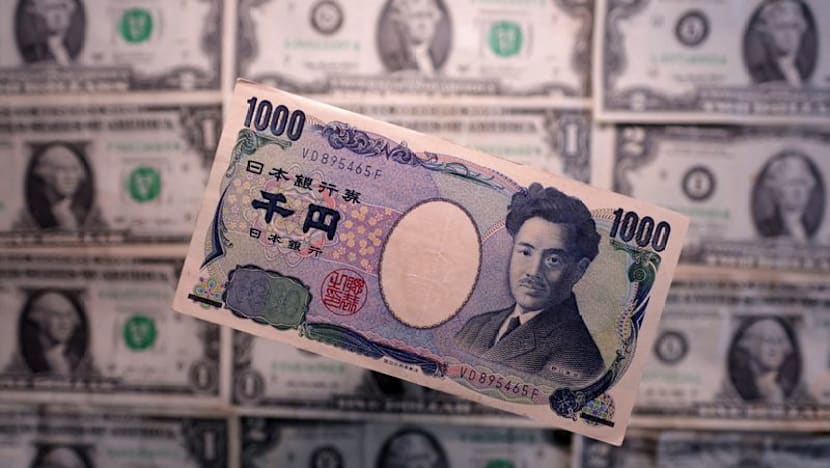
Dollar steady before US inflation data, yen under pressure
Summarized and contextualized by DistantNews.
At a glance
News
From a news agency
Context piece
- The dollar held steady ahead of U.S. inflation data, while the yen weakened due to intervention fears and comments on state pension funds.
- Middle East tensions boosted oil prices, with concerns rising over U.S.-Iran exchanges.
- Federal Reserve Governor Christopher Waller suggested potential rate hikes if inflation remains high, influencing market expectations.
The dollar remained stable on Tuesday as markets awaited crucial U.S. inflation data, while the Japanese yen faced pressure amid speculation of currency intervention and remarks regarding state pension fund allocations.
Inflation risks remain in the spotlight with the release of U.S. June CPI data on Tuesday, June PPI gauges the following day, and Fed Chair Kevin Warsh's first semiannual testimony before Congress.
Escalating tensions in the Middle East significantly impacted oil prices, which surged over 9 percent to a one-month high. President Donald Trump announced the reinstatement of a naval blockade on Tehran and vowed to keep the Strait of Hormuz open, following recent missile and drone exchanges between U.S. and Iranian forces. This geopolitical instability contributed to the rise in both U.S. West Texas Intermediate and Brent crude futures.
Washington was reinstating a naval blockade on Tehran and would ensure the Strait of Hormuz remained open for a fee following fresh exchanges of missile and drone strikes.
On the monetary policy front, Federal Reserve Governor Christopher Waller indicated that interest rates might need to increase in the near term if inflation data continues to show figures well above the central bank's 2 percent target. Analysts suggest that a core Consumer Price Index (CPI) reading of 0.3 percent or higher could prompt the Fed to consider a rate hike as early as its July meeting, especially if coupled with producer price index (PPI) data. Current Fed funds futures are pricing in approximately 30 basis points of rate hikes for the year.
rates may need to rise "in the near term" if data shows inflation remaining well above the central bank's 2 per cent target.
The Japanese yen showed little change against the dollar, hovering around 162.40. This persistent weakness has put traders on high alert for potential intervention by Japanese authorities, as the yen languishes at 40-year lows. Earlier, the yen had experienced a dip after reports suggested Tokyo had no immediate plans to alter its state pension fund asset allocations, dampening expectations for near-term support for domestic assets. The euro and sterling held their ground against the dollar, trading at $1.1383 and $1.3347, respectively.
That may well be a trigger for a Fed rate hike as early as the July meeting.
DistantNews Editorial
Originally published by CNA. Summarized and contextualized by our editorial team with added local perspective. Read our editorial standards.
More Stories



From Our Blog

What Gets Lost (and Found) When News Is Translated

The Critical Role of Diaspora Media in Global News

What Travellers Should Know About Countries with Restricted Press

A Digital Nomad's Guide to Following Local News

How the Same Story Looks Different in Different Countries
