


Dollar strength, foreign selling push won towards 1550
Translated from Korean, summarized and contextualized by DistantNews.
At a glance
News
Named sources
Context piece
- The Korean won is nearing 1550 against the U.S. dollar, continuing a four-day upward trend due to a stronger dollar globally and foreign investors selling South Korean stocks.
- The dollar's strength is attributed to expectations of continued monetary tightening by the U.S. Federal Reserve.
- The upcoming Nasdaq listing of SK Hynix's American Depositary Receipts (ADRs) in July is being watched as a potential factor to ease the won's depreciation.
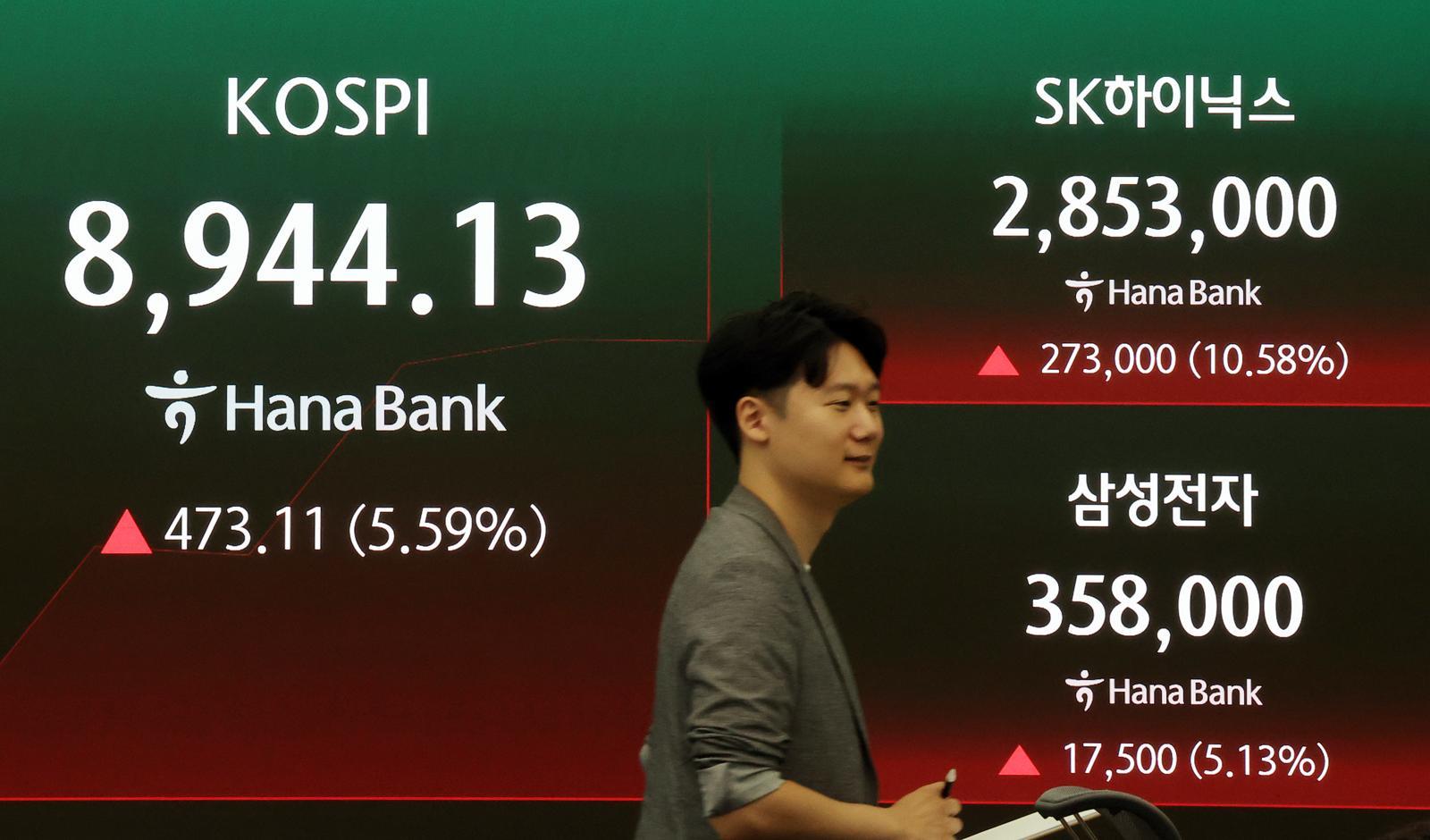
The South Korean won is approaching the 1550 mark against the U.S. dollar, marking its fourth consecutive day of decline. This trend is driven by a strengthening dollar globally and consistent selling of South Korean stocks by foreign investors.
The dollar's robust performance is largely attributed to expectations that the U.S. Federal Reserve will maintain its tight monetary policy. The dollar index, which measures the dollar's value against six major currencies, has remained above 101 for three consecutive days. The won-dollar exchange rate closed at 1541.8 on the previous day, its highest level since March 9, 2009, during the global financial crisis.
Market participants are closely observing the upcoming Nasdaq listing of SK Hynix's American Depositary Receipts (ADRs) on July 10. This listing, which involves the issuance of new shares potentially worth around $30 billion, could influence the exchange rate. If the funds raised are used to invest in domestic semiconductor production facilities, it could lead to an increase in dollar supply in South Korea, potentially strengthening the won.
However, analysts caution that the impact on the exchange rate might be limited if a significant portion of the raised capital is reinvested overseas rather than repatriated to South Korea. Meanwhile, international oil prices have fallen below $70 per barrel, recovering to pre-conflict levels between the U.S./Israel and Iran, fueled by increased expectations of the Strait of Hormuz remaining open.
If the funds raised through the ADR issuance flow into South Korea, it can lead to a decrease in the exchange rate (appreciation of the Korean won). However, if the raised funds are not fully remitted to South Korea and are reinvested locally, the impact on the exchange rate may be limited.
DistantNews Editorial
Originally published by Hankyoreh in Korean. Translated, summarized, and contextualized by our editorial team with added local perspective. Read our editorial standards.
More Stories


From Our Blog

What Gets Lost (and Found) When News Is Translated

The Critical Role of Diaspora Media in Global News

What Travellers Should Know About Countries with Restricted Press

A Digital Nomad's Guide to Following Local News

How the Same Story Looks Different in Different Countries
