


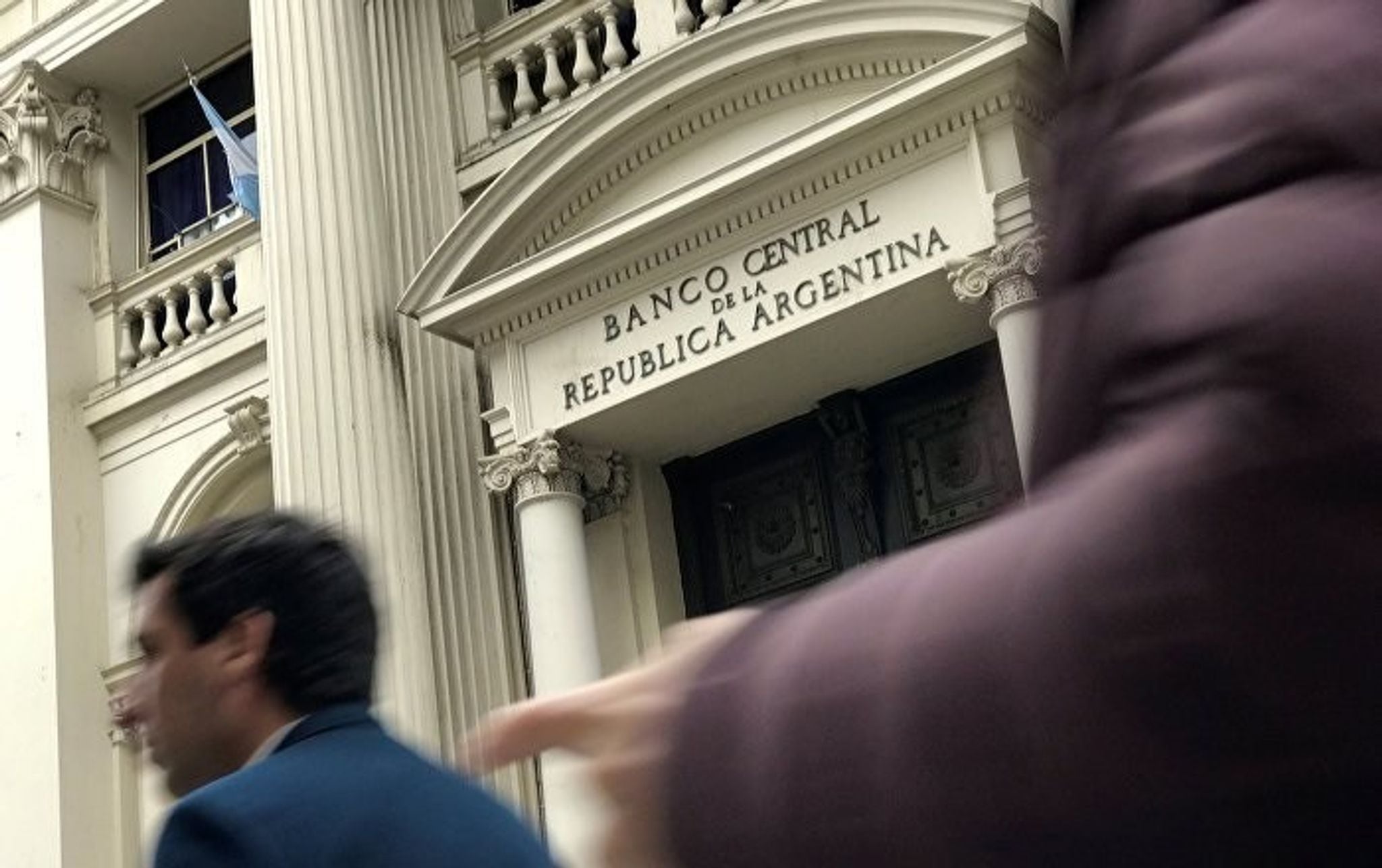
Dollar surge halts Argentina's carry trade for first time since elections, prompting official intervention
Translated from Spanish, summarized and contextualized by DistantNews.
At a glance
News
Named sources
Context piece
- Argentina's dollar "carry trade" strategy has been disrupted for the first time since the 2025 elections due to a recent rise in the official exchange rate.
- The Central Bank has increased its intervention using tools like futures and "dollar-linked" bonds to stabilize the currency, despite a slower pace of reserve purchases.
- This currency fluctuation is a sensitive issue for the Milei government, impacting economic expectations and potentially inflation, though the overall adjustment remains limited compared to inflation.
Argentina's once-lucrative "carry trade" strategy, a popular bet on staying in pesos, has faced its first significant challenge since the 2025 provincial elections. A recent surge in the official wholesale dollar, which climbed 4.9% in June to close at 1477 pesos, resulted in monthly losses for those who had held peso-denominated assets like fixed-term deposits.
The wind has changed in the foreign exchange market.
While the Central Bank (BCRA) continued to purchase foreign currency, its pace slowed. The monetary authority also increased its use of financial tools, including futures and "dollar-linked" bonds, to moderate pressure on the greenback. This intervention aims to manage the currency's volatility, a critical factor for the Milei administration.
The dollar rose nearly 5% in June and broke a stability that had lasted more than five months, in what was defined as the first real test the Government has faced since it began the reserve accumulation program and adopted a more expansive monetary policy.
The government views the dollar's movement as a key economic indicator that influences expectations and import costs. A persistent or disorderly rise could translate into higher inflation. However, the current currency adjustment is relatively contained. The official dollar has only risen 1.4% throughout 2026, significantly lagging behind the 14.7% cumulative inflation recorded by May. It also remains close to its level from a year ago.
The economic team intensified intervention in futures and dollar-linked bonds to contain exchange rate pressure.
Analysts suggest the recent advance is more of a correction within the existing framework rather than a breakdown of the currency regime. The dollar is still trading about 18% below the upper limit of its allowed band. Nevertheless, the shift in market dynamics is notable, with the dollar's rise erasing two months of carry trade gains and marking the first monthly loss for the strategy since September 2025, a period of electoral uncertainty.
All indications are that the Government is willing to sacrifice low rates for exchange rate stability.
DistantNews Editorial
Originally published by La Nación in Spanish. Translated, summarized, and contextualized by our editorial team with added local perspective. Read our editorial standards.
More Stories



From Our Blog

What Gets Lost (and Found) When News Is Translated

The Critical Role of Diaspora Media in Global News

What Travellers Should Know About Countries with Restricted Press

A Digital Nomad's Guide to Following Local News

How the Same Story Looks Different in Different Countries
