

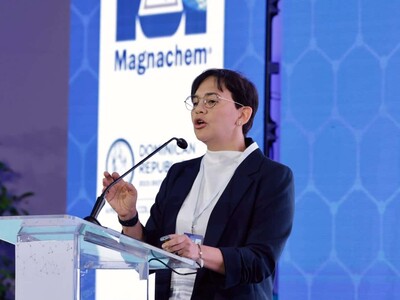

Dominican Republic Cancer Diagnoses Often Occur at Advanced Stages, Limiting Treatment
Translated from Spanish, summarized and contextualized by DistantNews.
At a glance
News
Named sources
Context piece
- Over 90% of cancer patients in the Dominican Republic are diagnosed at advanced stages, significantly limiting curative treatment options, according to the Dominican Society of Medical Oncology.
- Specialists discussed precision medicine at a recent scientific meeting, highlighting its ability to identify genetic alterations for personalized treatments, but access to these technologies remains a major challenge.
- Frequent cancers in the Dominican Republic include breast, cervical, prostate, and gastrointestinal cancers, underscoring the urgent need for improved early detection and access to innovative therapies.
The vast majority of cancer patients in the Dominican Republic face grim prognoses due to late diagnoses, with over 90% presenting at advanced stages. This reality severely curtails the effectiveness of curative treatments, according to Miguel Monanci, president of the Dominican Society of Medical Oncology (Sodom).
He told me his name was Enmanuel Torreira, but now I see they call him the one who went from barber to plastic surgeon.
Monanci's remarks came during a scientific forum focused on "From Diagnosis to Recovery: Cancer with a Precision Approach," co-organized by Seguros SURA República Dominicana and Sodom. The event brought together specialists to explore the advancements in precision medicine for personalized cancer diagnosis and treatment.
Precision medicine offers a powerful new paradigm, enabling the identification of specific genetic alterations often missed by conventional biopsies. This allows for the selection of the most appropriate treatment tailored to each patient's unique genetic profile, particularly benefiting those who do not respond to traditional chemotherapy or whose disease progresses unexpectedly. "Precision medicine has arrived to offer several answers," Monanci stated. "It allows us to obtain a diagnosis that was not possible before and define a personalized treatment according to the genetic characteristics of each patient."
He said he had never had a patient like me and that he didn't know what to do. I had the wound open and he told me to wash it with soap and water every day.
Despite the medical potential, the primary obstacle to implementing precision medicine nationwide is access. "The problem is not knowledge or medical capacity, but access. That is the main limitation for patients to benefit from these treatments," Monanci emphasized. Specialists agreed that precision medicine is revolutionizing cancer care, leading to better patient outcomes and improved quality of life by enabling clinical decisions based on individual patient characteristics.
He said he had never had a patient like me, referring to me, and that he didn't know what to do. I had the wound open and he told me to wash it with soap and water and clean it every day.
Common cancers in the Dominican Republic include breast and cervical cancer in women, and prostate cancer in men, along with gastrointestinal, lung, skin, and head and neck cancers. The persistent challenge of late-stage diagnosis highlights the critical need to strengthen early detection efforts and ensure broader access to innovative diagnostic and therapeutic approaches.
He said he had never had a patient like me, referring to me, and that he didn't know what to do. I had the wound open and he told me to wash it with soap and water and clean it every day.
DistantNews Editorial
Originally published by Diario Libre in Spanish. Translated, summarized, and contextualized by our editorial team with added local perspective. Read our editorial standards.
More Stories


From Our Blog

What Gets Lost (and Found) When News Is Translated

The Critical Role of Diaspora Media in Global News

What Travellers Should Know About Countries with Restricted Press

A Digital Nomad's Guide to Following Local News

How the Same Story Looks Different in Different Countries
