


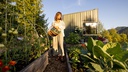
Don't have time to water your garden? This ingenious method does it for you, and it costs almost nothing
Translated from Croatian, summarized and contextualized by DistantNews.
At a glance
In-depth
Sources not specified
Context piece
- An ancient irrigation technique called "olla," using unglazed clay pots, is regaining popularity as a water-saving solution for gardens.
- The "olla" system, buried in the soil, slowly releases water directly to plant roots, reducing evaporation and water consumption by 50-70%.
- This method promotes healthier plant growth, reduces weeds, and is easy to implement, with DIY options available using common terracotta pots.
As droughts become a more pressing concern, an ancient irrigation method known as "olla" is re-emerging as a remarkably effective solution for conserving water, time, and effort in gardening. This low-tech system delivers precisely the amount of water plants need, eliminating the reliance on electricity, pumps, or complex technology.
The "olla" system, dating back over four thousand years and used in ancient China and North Africa, utilizes unglazed terracotta pots. These porous vessels are buried in the soil near plants, with only their necks exposed. When filled with water, the pot's walls gradually release moisture into the surrounding soil. The system is self-regulating: plant roots draw water when the soil is dry, and the process slows when the soil is moist from rain.
One of the primary advantages of the "olla" system is its significant water-saving potential. By delivering water directly to the root zone below the surface, it minimizes losses from evaporation and runoff. Studies suggest that "ollas" can reduce water usage by 50% to 70% compared to traditional watering methods, making it ideal for arid regions and areas with water restrictions.
Beyond water conservation, "ollas" contribute to healthier plant development. The consistent, moderate moisture at the root level encourages deeper and stronger root growth, making plants more resilient. This steady hydration also prevents the stress caused by cycles of drying and re-wetting, which can lead to diseases. Additionally, the surface soil remains relatively dry, which helps suppress weed growth.
While commercial "ollas" are available, creating a DIY system is surprisingly simple. A common method involves using two unglazed terracotta pots. Their drainage holes are sealed with waterproof silicone, and their rims are joined to create a sealed container with a single opening at the top. Once buried with the opening at ground level and filled with water, the "olla" requires refilling approximately once a week. This method is particularly beneficial for plants with fibrous root systems that thrive on consistent moisture, such as fruiting vegetables like tomatoes, peppers, and cucumbers, which should be planted within about a foot of the "olla."
DistantNews Editorial
Originally published by Večernji List in Croatian. Translated, summarized, and contextualized by our editorial team with added local perspective. Read our editorial standards.
More Stories


From Our Blog

What Gets Lost (and Found) When News Is Translated

The Critical Role of Diaspora Media in Global News

What Travellers Should Know About Countries with Restricted Press

A Digital Nomad's Guide to Following Local News

How the Same Story Looks Different in Different Countries
