


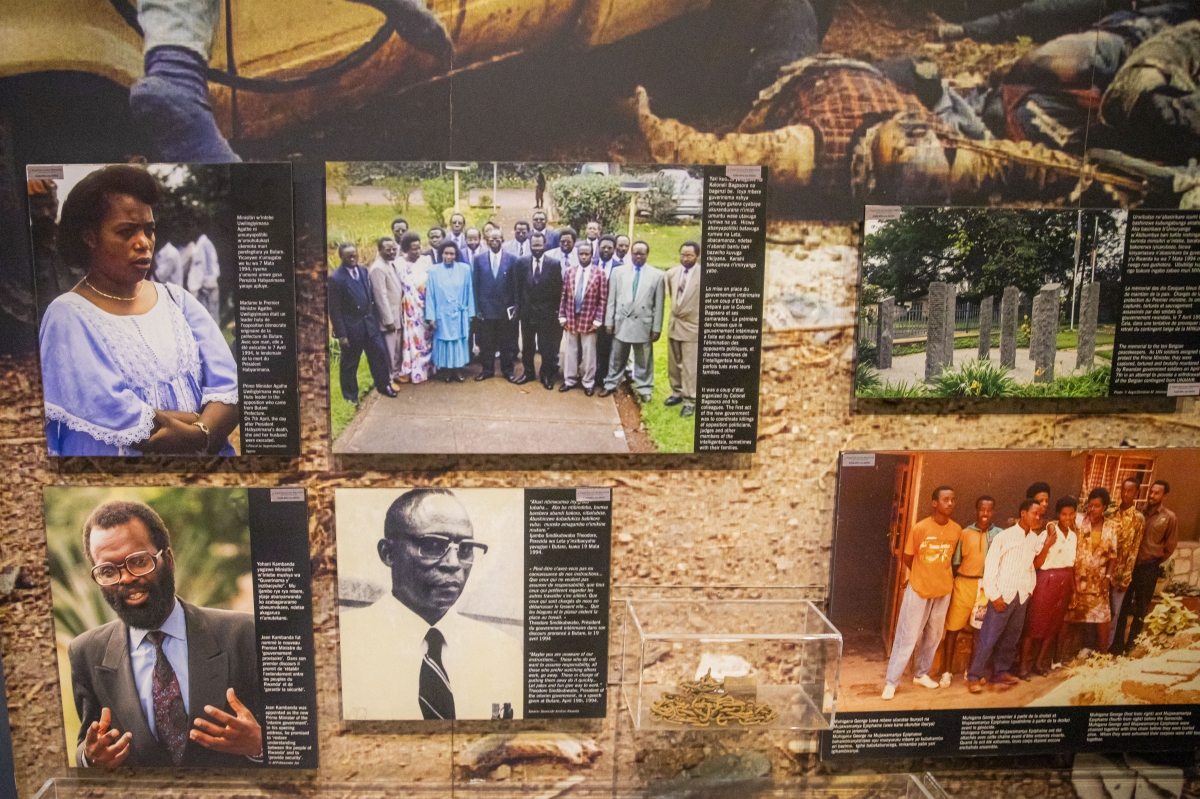
Double genocide narrative distorts history, functions as denial
Translated from English, summarized and contextualized by DistantNews.
At a glance
Analysis
Sources not specified
Context piece
- The 'double genocide' thesis is described as a form of genocide denial.
- It posits that the 1994 atrocities against the Tutsi in Rwanda were matched by a comparable, though often unacknowledged, genocide against the Hutu.
- This narrative is criticized for distorting historical events and minimizing the scale of the Rwandan genocide.
The 'double genocide' thesis functions as a sophisticated form of genocide denial, according to analysis. This controversial narrative claims that the horrific atrocities committed against the Tutsi population in Rwanda in 1994 were paralleled by a comparable genocide against the Hutu people.
Proponents of the 'double genocide' theory suggest that while the genocide against the Tutsi is widely acknowledged, a parallel genocide against the Hutu has been largely ignored or minimized in historical accounts and international discourse. This framing seeks to equate the two events, thereby diluting the specific historical context and impact of the 1994 genocide against the Tutsi.
Critics argue that this thesis distorts historical facts and serves to obscure the well-documented events of 1994. By presenting a false equivalence, the 'double genocide' narrative undermines efforts to understand, remember, and learn from the Rwandan genocide, potentially hindering reconciliation and justice.
DistantNews Editorial
Originally published by The New Times in English. Translated, summarized, and contextualized by our editorial team with added local perspective. Read our editorial standards.
More Stories



From Our Blog

What Gets Lost (and Found) When News Is Translated

The Critical Role of Diaspora Media in Global News

What Travellers Should Know About Countries with Restricted Press

A Digital Nomad's Guide to Following Local News

How the Same Story Looks Different in Different Countries
