

Dresden Cafeteria Project Integrates Refugee Women Through Work
Translated from German, summarized and contextualized by DistantNews.
At a glance
In-depth
Named sources
New plan
- The Dresden Student Services Organization (Studentenwerk Dresden) has created a program providing employment in its cafeteria for refugee women.
- The initiative aims to integrate women, including those from Afghanistan, into the workforce and German society.
- The project, supported by the EU and the Federal Ministry of Labor, is seen as a model for successful integration through employment.
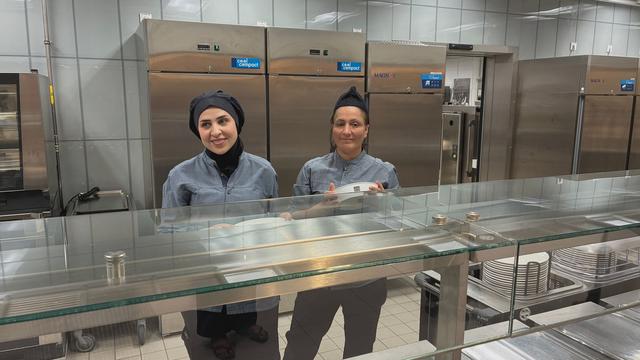
In Dresden, Germany, the Student Services Organization (Studentenwerk Dresden) is pioneering an integration initiative by offering employment opportunities in its university cafeteria to refugee women. Zahra Sarwari, a 39-year-old woman from Afghanistan and a mother of three, expressed her joy at having found work. She currently works four hours a day, with plans to increase her hours, potentially moving into roles like a barista or even a cook.
If I get up early, I am happy to have a job.
Sarwari shared her positive experience, stating, "I don't even notice that I'm a foreigner. I am also a German here." She highlighted the supportive environment, describing her German colleagues as "very kind." The ability to earn her own money and provide for her children is a source of immense pride, allowing her to tell them, "This is the money I received for my work. This is my money."
I don't even notice that I'm a foreigner. I am also a German here.
The program, which involves 14 women with foreign backgrounds, is co-funded by the EU and the Federal Ministry of Labor. Christian Schäfer-Hock, managing director of the local council for foreigners (Ausländerrat), emphasized that finding work for women with refugee experience is challenging. However, he noted that this project demonstrates that successful integration is possible when employers are genuinely committed. He stressed that this is not charity but a performance-based role, with the Student Services Organization demanding work output.
I have been looking for a job for a long time.
Michael Rollberg, managing director of the Student Services Organization, echoed this sentiment, pointing out that with 200 employees in university catering, there is ample room for integration. Both Schäfer-Hock and Saxony's State Minister for Social Affairs, Petra Köpping, advocate for replicating this model. Köpping specifically called for greater flexibility and reduced bureaucracy in the process of employing migrants, aiming to dismantle prejudices and make such employment a commonplace occurrence.
The German employees are very kind.
DistantNews Editorial
Originally published by Die Zeit in German. Translated, summarized, and contextualized by our editorial team with added local perspective. Read our editorial standards.
More Stories


From Our Blog

What Gets Lost (and Found) When News Is Translated

How the Same Story Looks Different in Different Countries

The Critical Role of Diaspora Media in Global News

What Travellers Should Know About Countries with Restricted Press

A Digital Nomad's Guide to Following Local News
