


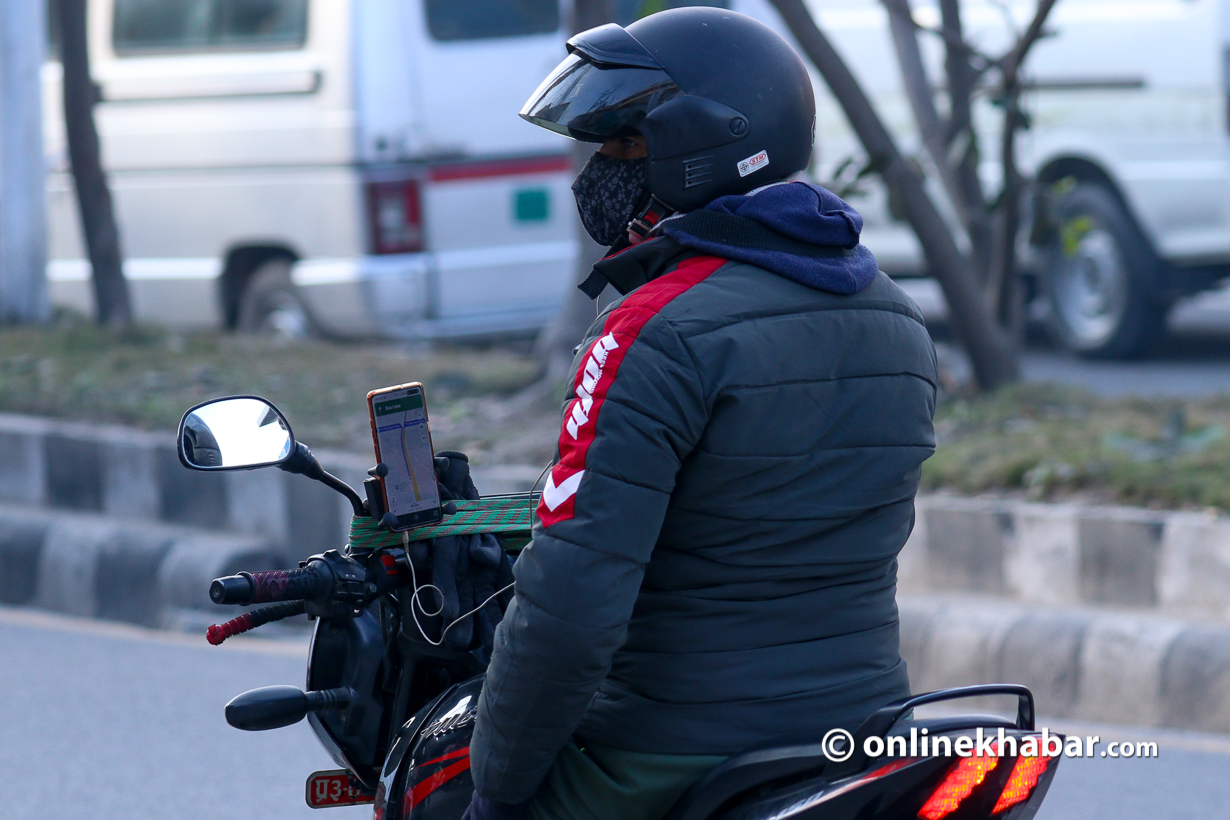
Driver's death prompts calls for ride-hailing regulation in Nepal
Translated from English, summarized and contextualized by DistantNews.
At a glance
News
Sources not specified
Under investigation
- The government faces renewed pressure to regulate ride-hailing services after a driver's death following a dispute with police.
- A probe committee recommended urgent legislation for ride-hailing, along with public awareness campaigns and integrating traffic rules into school curricula.
- The committee also suggested a mechanism for reviewing traffic fines and a 'faceless' traffic management system using technology.
Nepal's government is under renewed pressure to regulate ride-hailing services following the death of Ganesh Nepali, a driver for services like Pathao and inDrive. Nepali died after an altercation with Kathmandu Metropolitan City police, prompting calls for legislative action. A probe committee formed after the incident has strongly recommended that the government urgently formulate and implement laws specifically governing ride-hailing platforms.
The government is facing renewed pressure to introduce legislation governing ride-hailing services following the death of ride-hailing driver Ganesh Nepali, who died after a dispute with Kathmandu Metropolitan City police.
The committee's recommendations extend beyond ride-hailing regulation. It has also called for traffic rules to be incorporated into the school curriculum and for widespread public awareness campaigns to foster better compliance with traffic regulations. The Ministry of Federal Affairs and General Administration has directed local governments to implement these recommendations and report on their progress to the Ministry of Home Affairs.
A probe committee formed following the incident has recommended that the government urgently formulate and implement laws regulating ride-hailing services.
To improve traffic compliance, the committee emphasized prioritizing public awareness and integrating traffic rules and citizen responsibilities into school education, alongside moral education. It also advised traffic and municipal police to interact respectfully and transparently with the public, recommending adequate training for personnel. Furthermore, the committee proposed establishing a mechanism, such as a traffic court, for individuals to easily lodge complaints or appeal against actions taken by traffic or municipal police.
The committee has recommended prioritising public awareness campaigns to promote a culture of following traffic rules.
In a push for modernization, the committee advocated for the use of advanced technology and equipment in traffic management, including better road safety measures, markings, and parking facilities. It specifically recommended introducing a 'faceless' traffic management system in high-traffic areas. This system would leverage technology to detect violations without direct interaction between traffic personnel and road users, linking vehicle records, driving licenses, and violation data to automatically notify offenders.
The committee has called for modern technology and equipment to improve traffic management, alongside better road safety measures, road markings and parking facilities.
DistantNews Editorial
Originally published by OnlineKhabar English in English. Translated, summarized, and contextualized by our editorial team with added local perspective. Read our editorial standards.
More Stories


From Our Blog

What Gets Lost (and Found) When News Is Translated

The Critical Role of Diaspora Media in Global News

What Travellers Should Know About Countries with Restricted Press

A Digital Nomad's Guide to Following Local News

How the Same Story Looks Different in Different Countries
