

Drones, Missiles, and Retaliation: Tensions Flare Again at the Strait of Hormuz
Translated from Hungarian, summarized and contextualized by DistantNews.
At a glance
News
Official statement
Ongoing story
- The US Central Command (CENTCOM) reported striking Iranian radar stations in response to attacks, while Iran claimed to have launched ballistic missiles at US bases in Kuwait and Bahrain.
- CENTCOM stated that six of seven missiles were intercepted, with one missing its target, and refuted claims that a US missile caused damage during a drone attack on a Kuwaiti airport.
- The escalating tensions follow recent strikes between the US and Iran, raising concerns about the fragile ceasefire in the region.
Tensions have flared near the Strait of Hormuz following a series of retaliatory strikes between the United States and Iran. The U.S. Central Command (CENTCOM) announced it had targeted Iranian radar stations in Goruk and on Qeshm Island to preempt further attacks.
In response, Iran's state-run IRIB news agency reported that Tehran launched ballistic missiles against two U.S. air bases in Kuwait and facilities belonging to the U.S. Navy in Bahrain. CENTCOM confirmed that six out of seven missiles were intercepted, with one failing to reach its target.
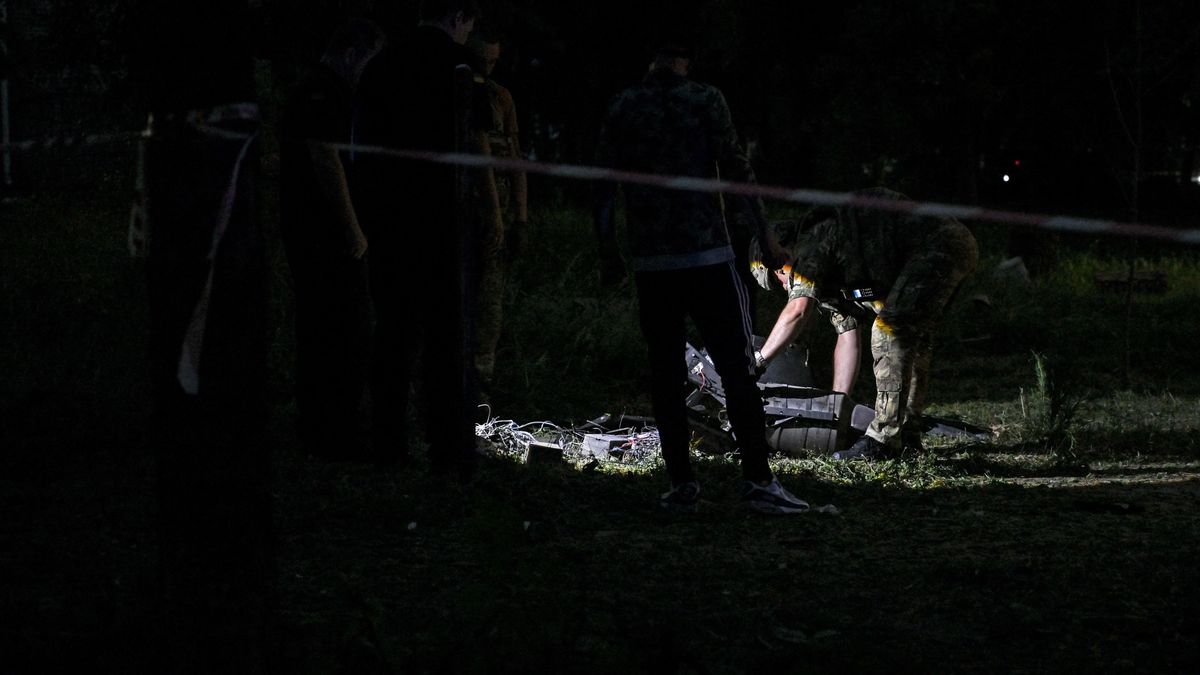
These developments come just days after renewed strikes between the two nations, exacerbating already fragile ceasefire conditions. Local authorities also reported that a drone attack on Kuwait International Airport on Wednesday resulted in one death and over sixty injuries.
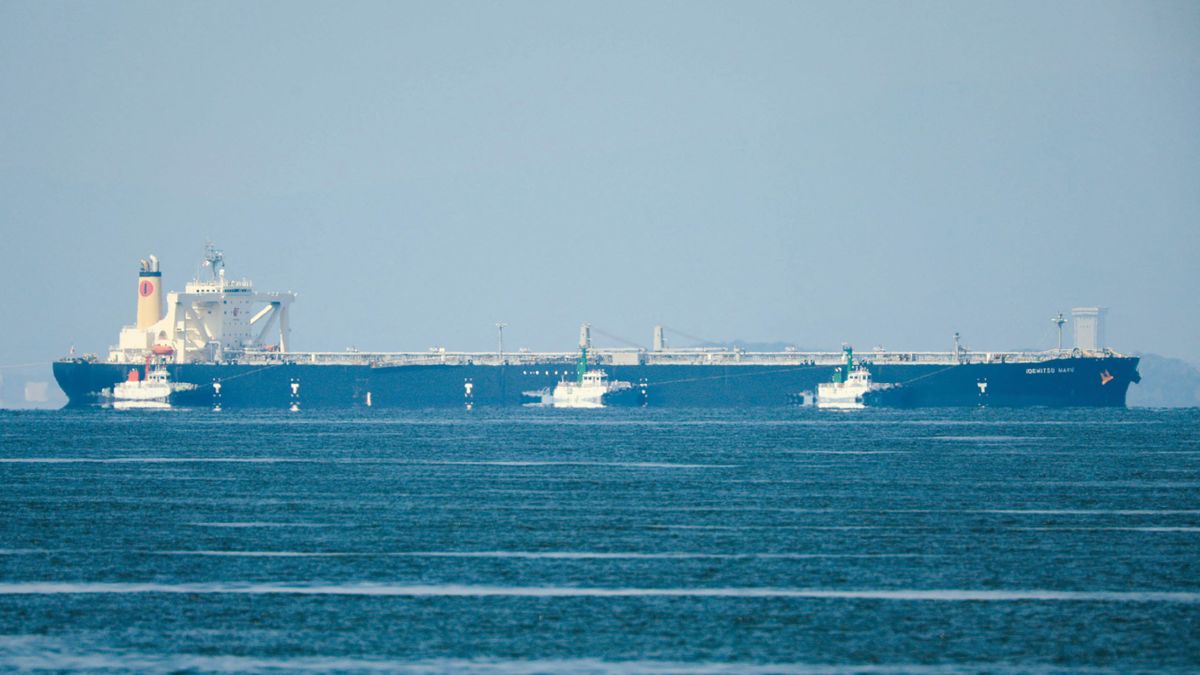
The Iranian Revolutionary Guard Corps denied responsibility for the airport incident, attributing the damage to a faulty U.S. interceptor missile. CENTCOM rejected this assertion, labeling the attack on the airport as deliberate and unprovoked. The Revolutionary Guard had previously stated that attacks on U.S. bases in the Gulf were retaliation for U.S. strikes on Iranian oil tankers and Qeshm Island.
DistantNews Editorial
Originally published by Magyar Nemzet in Hungarian. Translated, summarized, and contextualized by our editorial team with added local perspective. Read our editorial standards.
More Stories



From Our Blog

Countries Without a Free Press: What You Need to Know

What Press Freedom Means for the News You Read

What Gets Lost (and Found) When News Is Translated

The Critical Role of Diaspora Media in Global News

What Travellers Should Know About Countries with Restricted Press
