

Drones, the Biggest Concern for the U.S. at the 2026 World Cup; Strategy Created to Neutralize Them
Translated from Spanish, summarized and contextualized by DistantNews.
At a glance
News
Named sources
Context piece
- U.S. authorities consider drones the biggest security concern for the 2026 World Cup.
- A multi-million dollar strategy is in place to detect and neutralize unauthorized drones near stadiums and fan zones.
- The U.S. has invested $365 million in anti-drone technology, with specific funds allocated to secure venues like Seattle.
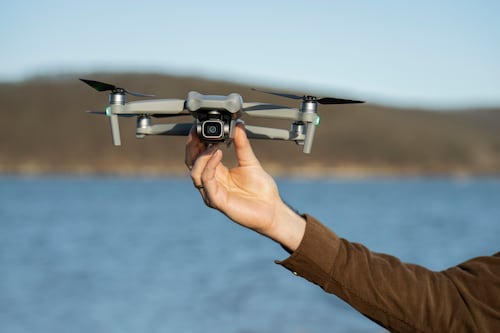
U.S. authorities have identified drones as the paramount security concern for the 2026 World Cup, developing a multi-million dollar strategy to counter potential threats. The tournament, which kicks off in the U.S. this Friday and has been classified as a national security event, presents a significant test for the government's ability to protect crowded stadiums.
One of the biggest fears is that someone will try to fly a drone with explosives into one of the World Cup events.
The primary fear is the possibility of someone attempting to fly a drone carrying explosives into a World Cup event. Jeff Flohr of the King County Sheriff's Department, responsible for security in Seattle, highlighted this concern. The U.S. has invested approximately $365 million in technological systems designed to create a shield against aerial threats, technologies that have proven effective in conflicts such as those in Ukraine and Iran.
Seattle alone has received nearly $12 million in federal grants for World Cup security. A significant portion of these funds is dedicated to monitoring the 'no-fly zones' for drones established by the Federal Aviation Administration (FAA) around all stadiums and fan events across the country. The strategy focuses on detecting, identifying, and controlling unauthorized drones, with surveillance operations extending to airports and transportation hubs.
We are ready to 'take down' any vehicle that violates the no-fly zones.
Authorities are prepared to "take down" any aircraft violating these no-fly zones. Violators face federal prison sentences, fines up to $100,000, and confiscation of the drone. Canada, the United States, and Mexico are co-hosting this expanded World Cup, featuring 48 teams and 104 matches. To manage the scale, technologies like Sentrycs' 'soft kill' anti-drone solution are being employed, which can safely disable or control unauthorized drones without causing widespread disruption.
This is especially important in...
DistantNews Editorial
Originally published by El Universal in Spanish. Translated, summarized, and contextualized by our editorial team with added local perspective. Read our editorial standards.
More Stories
From Our Blog

What Press Freedom Means for the News You Read

What Gets Lost (and Found) When News Is Translated

The Critical Role of Diaspora Media in Global News

What Travellers Should Know About Countries with Restricted Press

A Digital Nomad's Guide to Following Local News
