

Drought forces German steel giant Thyssenkrupp to cut production
Translated from German, summarized and contextualized by DistantNews.
At a glance
News
Named sources
Ongoing story
- Thyssenkrupp Steel Europe has reduced production due to low water levels on the Rhine River impacting raw material supply.
- The company suspended its own barge transport and is using external ships with lower drafts.
- The Rhine's low water levels, caused by summer drought, are increasing logistics costs and affecting operations.
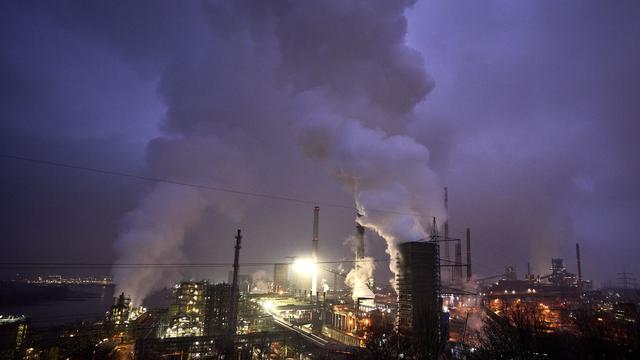
Thyssenkrupp Steel Europe (TKSE) has partially reduced its production because critically low water levels on the Rhine River are hindering the supply of essential raw materials to its Duisburg plant. The company announced it has halted its own barge operations, which typically push unpowered floating containers.
To mitigate the impact, TKSE is now relying on chartered external vessels. These ships have shallower drafts, allowing them to navigate the current low water levels. While the company assures customers that supply remains unaffected, the shift to external shipping has increased logistics expenses.
The steelmaker has also proactively scaled back its blast furnace production due to the slightly restricted raw material flow. A dedicated task force is monitoring the evolving situation and its consequences on supply chains and production. The ongoing summer drought shows no signs of abating, with dry weather expected to persist in the coming days, further complicating the situation for the company, which requires approximately 50,000 tons of raw materials, primarily iron ore and coal, daily.
DistantNews Editorial
Originally published by Die Zeit in German. Translated, summarized, and contextualized by our editorial team with added local perspective. Read our editorial standards.
More Stories


From Our Blog

What Gets Lost (and Found) When News Is Translated

How the Same Story Looks Different in Different Countries

The Critical Role of Diaspora Media in Global News

What Travellers Should Know About Countries with Restricted Press

A Digital Nomad's Guide to Following Local News
