

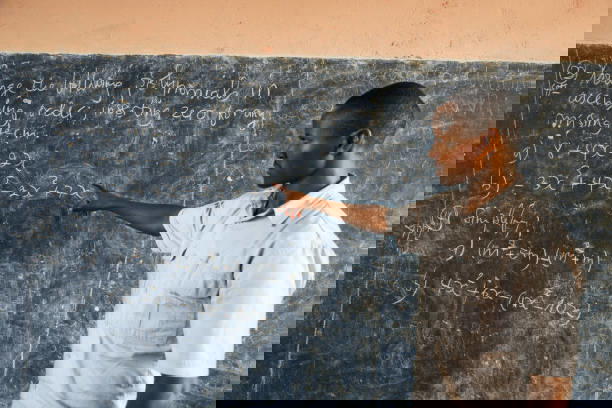

Drug Dependence Does Not Remove Right to Dignity, Nigeria Rights Commission Warns
Translated from English and summarized by DistantNews. Read the original for the full story.
At a glance
News
Named sources
Context piece
- Nigeria’s National Human Rights Commission warned that drug dependence does not remove a person’s rights to dignity, healthcare, privacy or due process.
- The commission cited complaints involving denied treatment, stigma, confidentiality breaches, lack of informed consent and poor rehabilitation-centre conditions.
- At a workshop with UNODC and Education as a Vaccine, officials called for human-rights safeguards in treatment, rehabilitation and complaints systems.
Drug dependence does not strip people of their basic rights, Nigeria’s National Human Rights Commission said, warning security agencies, rehabilitation centres and other institutions against abusive treatment.
NHRC Executive Secretary Tony Ojukwu said people affected by drug dependence remain entitled to dignity, healthcare, privacy, equality, humane treatment and due process under Nigerian law and international human-rights instruments. He made the remarks in Abuja at a two-day workshop organised with the United Nations Office on Drugs and Crime and Education as a Vaccine.
The commission said it had received complaints alleging denial of treatment, stigmatisation, breaches of confidentiality, lack of informed consent and poor conditions in rehabilitation centres. Other complaints concerned the treatment of people who use drugs while in detention.
Ojukwu, represented by the commission’s Director of Economic, Social and Cultural Rights, Isioma Nwosa, said Nigeria needed to move beyond treating drug dependence solely as a law-enforcement issue. He called for a health-centred and rights-based approach covering prevention, treatment, rehabilitation, recovery and complaints handling.
The NHRC does not set Nigeria’s drug policy, Ojukwu said, but it has a mandate to ensure that government policies and enforcement practices comply with human-rights obligations. UNODC Country Representative Cheikh Toure supported the position, saying drug use requires coordinated action by government agencies, health institutions, human-rights bodies, civil society and communities. The workshop at the United Nations House in Abuja ran from August 31 to September 1 and aimed to strengthen the commission’s ability to investigate related complaints.
Persons affected by drug dependence do not lose their fundamental human rights. They must continue to enjoy their rights to dignity, health, privacy, equality, humane treatment and due process.
About this summary
Originally published by ThisDay in English. Translated, summarized, and contextualized automatically by DistantNews, with a note on how the source frames the story. Not individually reviewed before publishing. How this works.
More Stories


From Our Blog

How the Same Story Looks Different in Different Countries

What Gets Lost (and Found) When News Is Translated

The Critical Role of Diaspora Media in Global News

What Travellers Should Know About Countries with Restricted Press

A Digital Nomad's Guide to Following Local News
