


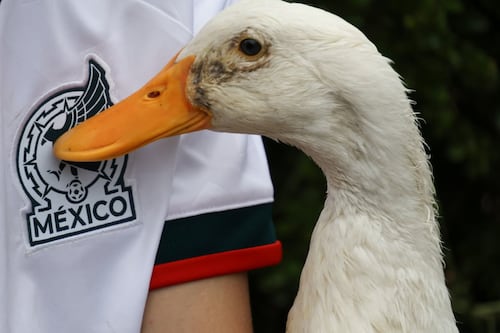
Ducks as Pets: UNAM Explains Care and Considerations Before Adoption
Translated from Spanish, summarized and contextualized by DistantNews.
At a glance
News
Named sources
Context piece
- Ducks are gaining popularity as pets, influenced by social media and viral figures like "Pato Merlín."
- UNAM specialists warn that ducks require specific care and are not conventional pets, advising potential owners to research needs before adoption.
- Improper feeding, such as with bread or human food, can lead to health issues like obesity and bone deformities; specialized diets are recommended.
The growing popularity of ducks as pets, fueled by social media trends and viral personalities like "Pato Merlín," has led more people to consider adopting these birds. However, specialists at the National Autonomous University of Mexico (UNAM) caution that ducks require specific care and are not typical household pets.
Dr. Óscar Daniel González Santana, an academic at UNAM's Faculty of Higher Studies (FES) Cuautitlán, emphasized the importance of understanding a duck's needs before adoption. Potential owners must research their diet, space requirements, specialized veterinary care, and potential health risks associated with their handling and upbringing. He stressed the need to distinguish between domestic and wild duck species, as only domesticated varieties are adapted for life with humans in captivity.
A common mistake is feeding ducks bread or human food scraps, which can lead to obesity, bone deformities, and metabolic diseases. UNAM recommends a diet rich in vegetables, moderate amounts of fruits, and natural protein sources like insects. Commercial feed should only supplement this diet, primarily aiding rapid growth for meat or egg production.
Inadequate nutrition can also contribute to conditions like pododermatitis, an inflammation of the feet caused by excess weight and prolonged contact with hard surfaces like cement, potentially leading to calluses and ulcers. During growth, dietary imbalances can result in "angel wing," a permanent wing deformity caused by excessive protein and nutritional imbalances.
Beyond nutrition, ducks need ample space for natural behaviors like walking and resting. They also require constant access to water for feeding and preening. Failure to provide these essential elements can negatively impact their well-being.
domestic ducks can be companion animals, but they are not conventional pets.
DistantNews Editorial
Originally published by El Universal in Spanish. Translated, summarized, and contextualized by our editorial team with added local perspective. Read our editorial standards.
More Stories



From Our Blog

What Press Freedom Means for the News You Read

What Gets Lost (and Found) When News Is Translated

The Critical Role of Diaspora Media in Global News

What Travellers Should Know About Countries with Restricted Press

A Digital Nomad's Guide to Following Local News
