


Duna Aszfalt addresses its African projects and financing
Translated from Hungarian, summarized and contextualized by DistantNews.
At a glance
News
Sources not specified
Context piece
- Duna Aszfalt Zrt. is fully exposed to risk in its African projects, as it must repay the loan directly if the project fails.
- The company chose bond financing with an above-market interest rate, ensuring profit for the state and taxpayers.
- The projects are expected to create 5,000 jobs during construction, indirectly support 20,000-30,000 livelihoods, and provide training to over 1,000 locals, potentially leading to urban development.
Duna Aszfalt Zrt. has fully embraced the risks associated with its African projects, opting for bond financing where the company itself is directly responsible for repaying the loan, not the African project company. This structure means that should the project falter, the Duna Aszfalt group must bear the entire financial burden, shielding taxpayers from any losses.
The company highlighted that the bond's subscription interest rate is significantly above market standards, incorporating a substantial risk premium. This financial arrangement is designed to generate profits for both the state and taxpayers. The decision to proceed with this financing structure was made by the Ministry of National Economy, exercising its ownership rights over Eximbank, rather than the bank's internal board.
Economically and socially, the projects are projected to have a significant impact. During the construction phase, an estimated 5,000 individuals will gain employment. Indirectly, the ventures are expected to sustain the livelihoods of 20,000 to 30,000 people, thereby mitigating migratory pressures. Furthermore, over 1,000 local residents will receive training in agriculture, finance, and safety, aimed at improving their quality of life.
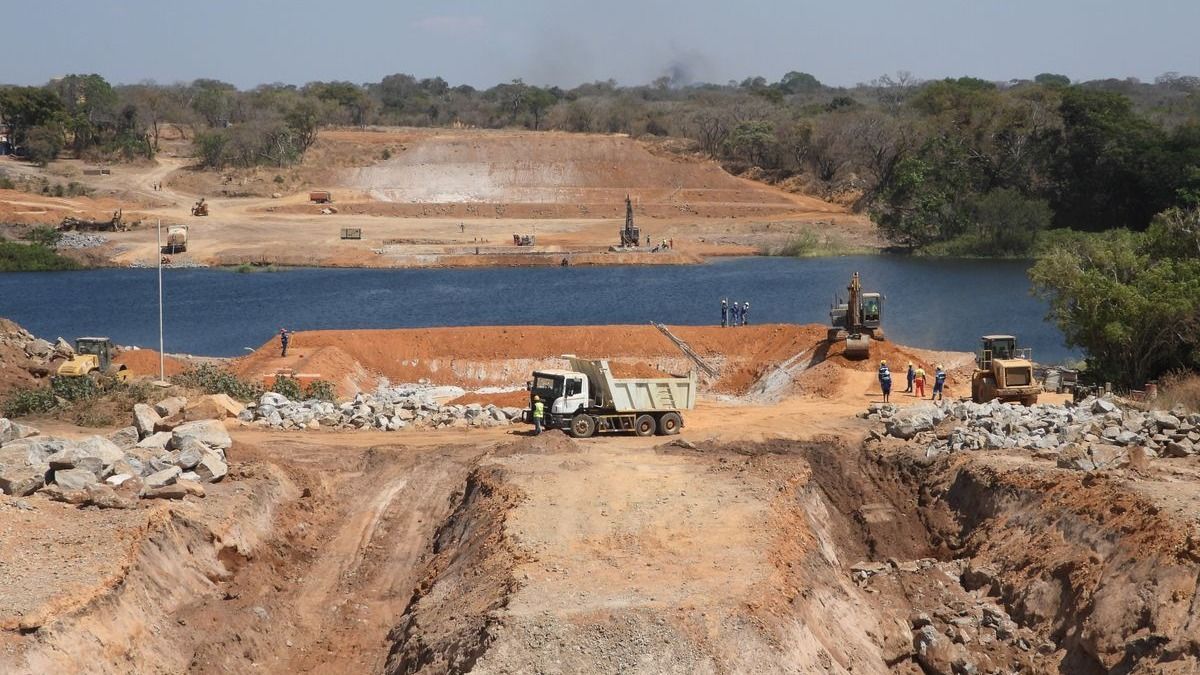
Engineering assessments suggest that the project sites will permanently serve as hubs for bridge, road, and border operations. Experts anticipate that these areas could potentially develop into cities over the coming decades, indicating long-term infrastructure development and economic growth stemming from Duna Aszfalt's African ventures.
DistantNews Editorial
Originally published by Magyar Nemzet in Hungarian. Translated, summarized, and contextualized by our editorial team with added local perspective. Read our editorial standards.
More Stories



From Our Blog

Countries Without a Free Press: What You Need to Know

What Press Freedom Means for the News You Read

What Gets Lost (and Found) When News Is Translated

The Critical Role of Diaspora Media in Global News

What Travellers Should Know About Countries with Restricted Press
