



Durian prices collapse in Vietnam's Mekong Delta, farmers face ruin
Translated from Vietnamese and summarized by DistantNews. Read the original for the full story.
At a glance
News
Named sources
New plan
- Durian farmers in Vietnam's Mekong Delta are facing significant financial losses due to a prolonged and record-low drop in prices since early 2026.
- Prices for premium durian have fallen to between 6,000-9,000 VND/kg, with lower grades selling for as little as 2,000 VND/kg, forcing some farmers to sell unripe fruit or even abandon their crops.
- The price slump is attributed to export bottlenecks with China, including issues with inspection processes and rejected shipments due to Cadmium contamination, leading to a domestic market surplus.
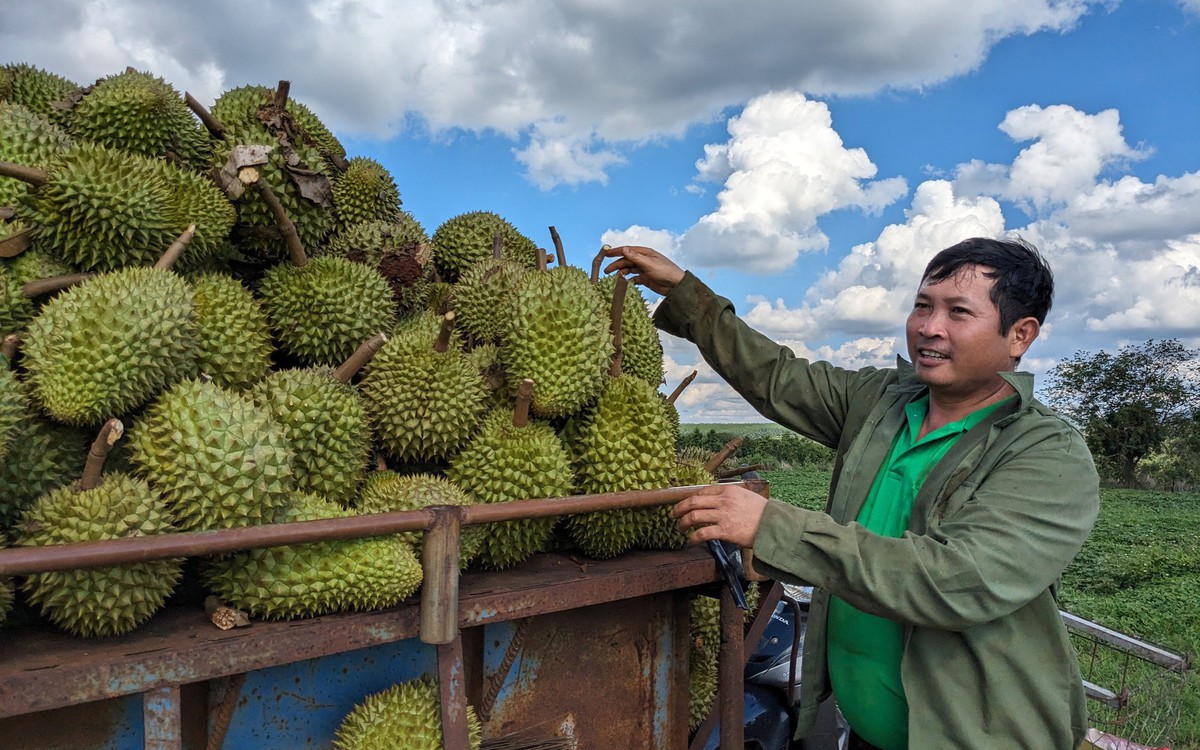
Durian farmers in Vietnam's Mekong Delta are struggling with unprecedented financial hardship as prices for the fruit have plummeted to record lows since the Lunar New Year in early 2026. The prolonged price drop has left thousands of households facing losses, with some resorting to abandoning their orchards.
In key durian-growing areas like Thạnh Phú and Hiệp Đức in Đồng Tháp province, the price for premium "Type A" durian has fallen to between 6,000 and 9,000 Vietnamese dong per kilogram. Lower-grade or market-grade durians are fetching as little as 2,000 dong per kilogram. Faced with such low prices, some farmers, like Nguyễn Thị Chen from Thạnh Phú, are forced to process their durian into dried products to recoup some costs.
Traders report this as the longest price decline seen in many years. The situation is exacerbated by rising input costs, prompting many farmers to consider cutting unripe fruit or even clearing their land to switch to other crops. Some have resorted to selling their fruit to processors for dried durian to try and recover their investment.
Industry sources indicate that China is the primary export market for Vietnamese durian. However, recent disruptions in inspection procedures and issues with cadmium contamination in some shipments have led to rejections and a backlog of goods. This has created a significant surplus in the domestic market, driving prices down. Consequently, many businesses and purchasing agents are adopting a more cautious approach to buying durian, despite the market having returned to a semblance of normalcy. The slow consumption in the Chinese market means prices have yet to recover.
Because the price is so low, my family has to separate the pulp and sell it to dried durian facilities to recover some of our capital.
About this summary
Originally published by Tuổi Trẻ in Vietnamese. Translated, summarized, and contextualized automatically by DistantNews, with a note on how the source frames the story. Not individually reviewed before publishing. How this works.
More Stories


From Our Blog

News in Translation: What Gets Lost, and How We Keep the Framing

Diaspora Media: How Communities Abroad Follow Home

Traveling Where the Press Is Not Free: How to Read the News There

The Digital Nomad's Guide to Local News

The Same Story, Different Countries: How Coverage Changes at the Border
