

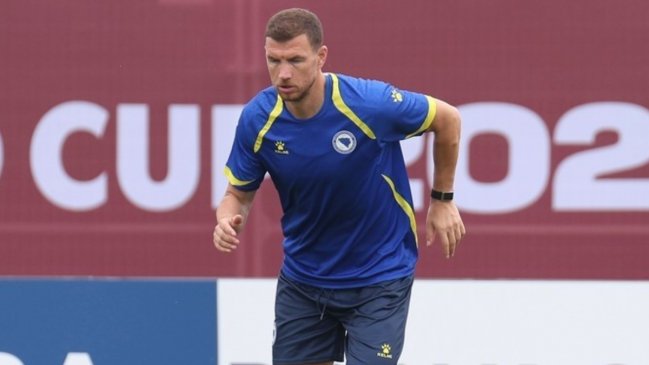
Dzeko recalls Sarajevo war, urges Bosnian children to believe in the impossible
Translated from Spanish, summarized and contextualized by DistantNews.
At a glance
In-depth
Sources not specified
Context piece
- Bosnia and Herzegovina captain Edin Dzeko penned an emotional letter to the country's children before a World Cup match.
- Dzeko recalled his childhood during the war in Sarajevo, emphasizing that "nothing is impossible."
- He dedicated his play to the children of Sarajevo and the diverse cultures of Bosnia and Herzegovina.
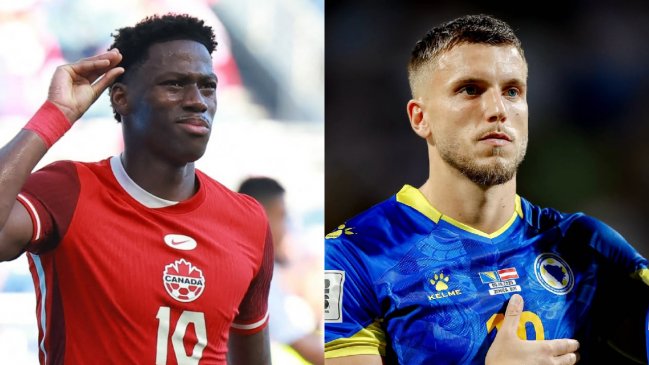
Edin Dzeko, captain of the Bosnia and Herzegovina national football team, has shared an emotional letter addressed to the children of his country ahead of a World Cup 2026 match against Canada. The veteran striker, now 40, drew upon his own childhood experiences during the war in Sarajevo to inspire a message of hope and resilience, stating, "Nothing is impossible. Not even taking Bosnia and Herzegovina to the World Cup."
Dzeko vividly recalled the daily fear and danger he faced as a six-year-old during the conflict. He described how playing in the streets was perilous due to the constant threat of snipers positioned in the hills surrounding the city. This harrowing past serves as the backdrop for his powerful message to the younger generation, urging them to believe in their potential despite adversity.
Nothing is impossible. Not even taking Bosnia and Herzegovina to the World Cup.
"I play for the children of the streets of Sarajevo. I play for all the different cultures and religions that make my country beautiful," Dzeko declared. His words carry particular weight as Bosnia and Herzegovina prepares for only its second appearance in the World Cup. The letter aims to connect with young Bosnians, reminding them of their nation's strength and the possibility of achieving great things, even against seemingly insurmountable odds.
I play for the children of the streets of Sarajevo. I play for all the different cultures and religions that make my country beautiful.
DistantNews Editorial
Originally published by Cooperativa in Spanish. Translated, summarized, and contextualized by our editorial team with added local perspective. Read our editorial standards.
More Stories
From Our Blog

What Gets Lost (and Found) When News Is Translated

The Critical Role of Diaspora Media in Global News

What Travellers Should Know About Countries with Restricted Press

A Digital Nomad's Guide to Following Local News

How the Same Story Looks Different in Different Countries
