



E coli bacteria in drinking water, no toilets, no dustbins: CAG flags basics missing at major railway stations
Summarized and contextualized by DistantNews.
At a glance
News
Documents & data
Context piece
- A report by India's Comptroller and Auditor General (CAG) found E. coli bacteria in drinking water coolers at several major railway stations, including New Delhi, Howrah, and Mumbai Central.
- The audit of 512 stations revealed that about 90% were deficient in basic amenities, such as seating, toilets, and dustbins, despite a 2018 directive to ensure these by August 2018.
- Even top-tier stations (NSG-1 category) lacked essential facilities, raising concerns about hygiene and passenger services across the Indian Railways network.
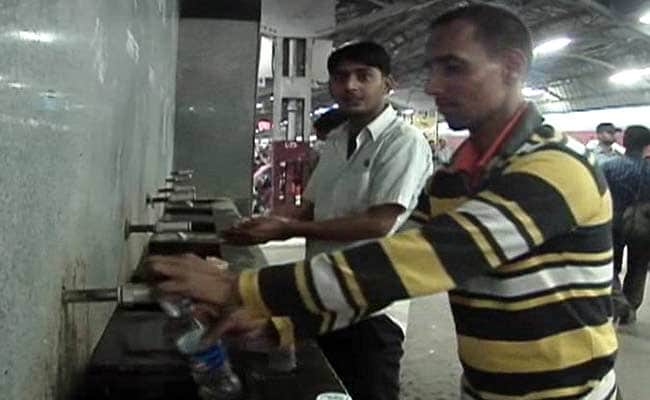
Basic amenities and hygiene standards are alarmingly deficient at major Indian railway stations, according to a new report by the Comptroller and Auditor General (CAG). Shockingly, E. coli bacteria, typically found in human excreta, has been detected in drinking water samples collected from coolers at several key stations, including Mumbai Central, Kolkata's Howrah and Sealdah, and even the national capital's New Delhi station.
The audit, which examined passenger services at 512 non-suburban grade stations, found that approximately 90% of these stations were lacking in what are termed Minimum Essential Amenities (MEA). This deficiency persists despite comprehensive instructions issued by the Railway Board in April 2018, mandating the provision of MEAs by August 2018. These essential amenities include drinking water, waiting halls, seating, platform shelters, toilets, and dustbins.
Test results of drinking water samples collected from taps in platforms at 49 stations in eight zones during 2022-23 and 56 stations in 9 zones during 2023-24 indicated presence of Total coliforms bacteria (including E-coli).
Even stations categorized as NSG-1, the highest tier representing mega-hubs with substantial passenger earnings and traffic, were found wanting. The CAG report specifically noted deficiencies in seating arrangements, sanitary facilities, dustbins, and electronic indicator boards at these major hubs. This oversight raises serious questions about the implementation and enforcement of hygiene and service standards across the vast Indian Railways network.
The CAG has recommended that the railways ensure strict compliance with prescribed protocols to address these critical shortcomings. The findings underscore a significant gap between policy directives and on-ground reality, impacting the health, safety, and comfort of millions of passengers who rely on these stations daily.
RB's instructions (April 2018) mandated that MEAs be provided first at all stations, irrespective of category. These include drinking water, waiting halls, seating arrangements, platform shelters, urinals, latrines, high-level platforms, fans, Foot Over Bridges (FOBs), dustbins, clocks and public address systems.
DistantNews Editorial
Originally published by Hindustan Times. Summarized and contextualized by our editorial team with added local perspective. Read our editorial standards.
More Stories


From Our Blog

What Press Freedom Means for the News You Read

What Gets Lost (and Found) When News Is Translated

The Critical Role of Diaspora Media in Global News

What Travellers Should Know About Countries with Restricted Press

A Digital Nomad's Guide to Following Local News
